17. Jim Keith

Dr. Debi Lynes speaks with Jim Keith of Keith Funeral And Cremation Services

(duration 37 minutes 42 seconds)
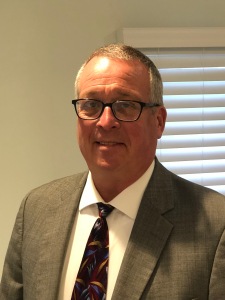
Jim Keith Photo

Subscribe

Apple Podcasts | CastBox | Google Podcasts | Pocket Casts | RadioPublic | Spotify | Stitcher | TuneIn

Follow

Facebookhttps://www.facebook.com/aginginplacepodcastcom/

Instagramhttps://www.instagram.com/aginginplacepodcastcom/

Twitterhttps://twitter.com/aging_podcast

Resources

Disclosure: Links below to other sites may be affiliate links that generate us a small commission at no extra cost to you.

Sponsors

Lynes on Design

Takeaways

Talking about death and dying is a natural part of life. And that hiring someone that you trust and develop a relationship with is going to be really important to celebrate the legacy of your loved one. And Jim shared today that one of the most important things to remember is that developing a relationship with your funeral director can really be helpful to make a tough time easier.

Transcript

Debi Lynes 0:03 – Hi, and welcome to aging in place for every stage in life. What if you could visit or have a home that would accommodate anyone? at any age, any physical ability at any time? How cool would that be? That’s what we’re doing here at Aging in Place. Podcast me because I’m a doctor of psychology and I specialize in physical spaces and health and wellness. Also, I love designing with intent at any age. Why now, because we the baby boomers want to age in place gracefully, and we want our families around us as much as we can. And why you the audience, because we want you to experience what it’s like to have a home that safe, aesthetically pleasing, and that you can live in at any age, with any ability at any time. I’d like to introduce you now to Aging in Place Podcast for every stage in life.

Debi Lynes 1:03 – Hi and welcome to Aging in Place Podcast. I’m Dr. Debi Lynes. I am here today with my friend Jim Keith. And where, you know, it’s really interesting that we’re talking about dying today we’re talking not just about the process, we had hospice come on, and it was really amazing. We talked about palliative care and options about quality of life when you’re through the dying process. And now what I think what we’re going to talk about today is, is the next step from the point of view of both the family, children and really what needs to happen. So again, Jim owns Keith Funeral Home here in Hilton Head, South Carolina. But as you know, we’re kind of talking to everyone nationally, and it was interesting and even preparing for this. Talking about I didn’t realize that there were other options available other than going through traditional funeral homes. And it’s, you know, being an old school girl, it’s just caught me off guard.

Jim Keith 2:12 – Well, it’s interesting that because, you know, you talked about this being national, but when you think about the makeup of Hilton Head and look at where Hilton Head draws from, and we have people here from probably all 50 states.

Debi Lynes 2:25 – Yeah, I think you’re right.

Jim Keith 2:26 – And so a lot of the stuff that we talked about, maybe they’re here for six months, maybe they’re here for 12 months. Maybe they’re just here as snowbirds for three months. But it reaches out and you know, we can talk to them and they can understand what we’re doing.

Debi Lynes 2:38 – Can I ask you a broad spectrum question? First, I’m 66 years old. My mom died three years ago, my dad’s 91 years old and looks good.

Jim Keith 2:45 – for now.

Debi Lynes 2:46 – Pretty good. Dang, talk about irreverent and whoa. Anyway. At what point do you think a family should begin to consider what their wishes are for when they die?

Jim Keith 3:00 – Well, I mean, that’s a tough question. If you look at traditional stuff you say maybe in your 70s. Okay, but you see people just have a guy today who’s 60. Last week, I had a lady that was 47. And while those people had existing conditions that the family knew, sure, that’s the worst thing when someone has an existing condition, then you have to say, oh, my goodness, this isn’t gonna be very long, we have to go make arrangements. Well, that’s a tough position to put people in, because, you know, it’s so premature. It’s 20 years, supposed to do that. But in the 70s, I think it’s a fair amount. I get people that come in and say, Hey, you know, mom’s not doing so good. Well, How old’s your mom? Well, 94 and…

Debi Lynes 3:45 – you’re like, she’s had a good life.

Jim Keith 3:47 – She’s lived a good life. But, you know, maybe that’s something we should have thought about 10 or 12 years ago, but people don’t want to make that commitment because they feel that as soon as they say, I’m going to make pre-arrangements for mom or dad. That’s signing the warrant that they’re going to go ahead and go

Debi Lynes 4:03 – Do kids typically do it for their parents or do at 66? I think because you’ve educated me. I know, you know me, I went to Keith Funeral Home, and I fell in love with it because it has a retail section, which of course, we always have to take advantage of. There are amazing things in there. And I think rather than being afraid to be honest with you, you know, we talked about it. I looked at beautiful urns, I looked at lots of different opportunities and ways to be creative ways to really, to honor the way I live.

Jim Keith 4:40 – You know, that’s exactly right. You want to honor the way the person lived and, and some people, you know, you’ll get these people that will say, just throw me out with the trash because they’re afraid to spend money, but when you look at that person, nobody’s going to throw a loved one out the trash. No one’s gonna do that. But when they say follow my mother’s or grandfather’s wishes or something like that. And he maybe he was a veteran. And so we did a nice little Veteran Service. Maybe he was a carpenter and we can bring some stuff maybe that he made or woodworker or something like that and just display.  It doesn’t have to be expensive, but it can be classy. And I’m a big fan of saying if you spend a bunch of money on a funeral, you’re mad at your money or mad at your kids. You know, like that? Yeah, it was just a casket, for instance, a casket. Your casket that is $1,600 does exactly the same thing as the casket that’s $5,000. Okay, it’s just not as fancy and doesn’t have all the decorations. Now, the casket companies don’t want you to know that. Okay, but when you put it in a concrete vault, it’s gonna last the same amount of time theoretically and who is gonna be around a couple hundred years to check, see if it’s right. Cremation has taken over.

Debi Lynes 5:55 – Okay. How is it evolved over the past 10-20 years and where do you see these services in the future

Jim Keith 6:00 – Well,  when I got into the business… this is my 30th year of funeral service. We were about nationally we were probably 7% or 8% cremation. Now we’re over 50%. And if you go into states like Florida, Arizona, maybe California it’s really into the 60s or 70s [percent cremation]. Here on Hilton Head, we’re almost at 85%. And the more money you have and more education, you have more likely you are to cremate.

Debi Lynes 6:28 – And why is that?

Jim Keith 6:30 – Just I don’t know. It’s just that as our families change the old days know people who graduate high school, go to work at the factory, marry their high school sweetheart, move down the street and live in the same hometown. Well, they go around your families are spread out all over the country. They have different venues that they do. They go to college in different places here. And so here in Hilton Head, well, we might be sitting here in Hilton Head but someone might have family 200 miles away, 2000 miles away. And so to have a burial where you’re going to bring those people together in a finite amount of time, okay? I mean.

Debi Lynes 7:11 – That’s true.

Jim Keith 7:10 – Yeah. But when you’re cremate, you can say, okay, we’re not gonna do that this week. We can do it next week or next month.

Debi Lynes 7:15 – Ah, so it’s more convenient,

Jim Keith 7:17 – More convenient. It’s a lot less expensive.

Debi Lynes 7:19 – Are there typical services? Or is there a typical protocol for the way things happen? if let’s say for example, someone’s in hospice, or there’s an accident or I don’t even know what the protocol is. If there is one.

Jim Keith 7:32 – Well,  usually when someone is in hospice, you know, that that’s gonna be a limited amount of time. And the hospices here are so good. Oh, my gosh, yeah. They’re so good. And they will come in and they’ll say, look, maybe your mom has six months, maybe my mother was on hospice a day and a half. And so we thought it’s gonna be longer, but it wasn’t. But when you get to that point, then you know, it’s probably time to maybe make a phone call. Get the family together. And agree on what’s going to happen. The worst thing that can happen if someone dies, you come into the funeral home and you have three kids or four kids and two people say we’re going to bury and two people say we’re going to cremate. And now, you know now that’s just not good. Is it important to have a relationship with the person who is managing and handling the funeral? I think I do, too. I think so too. And that’s what we try to do is we try to go old school. I think I did something after the hurricane. When hurricane was there. We had a lady in our cooler. There’s a whole story written and I didn’t evacuate because I couldn’t leave her. You know, and it turned out if the son called me on Saturday, the hurricane hit Saturday morning, he called Saturday and said, Hi, mom make it through the storm. And what am I gonna say? I don’t know.

Debi Lynes 8:48 – Yes, right, right. Oh, yeah. I never thought about that. Yeah.

Jim Keith 8:51 – So I have an obligation to that person. And what anyhow, we said that our differences were the same was Same as that old school funeral director that you meet and play golf with. He goes to your rotary, he goes to your PTA meetings, you meet them in the grocery store and you know you stop and talk. And that’s just something that…

Debi Lynes 9:13 – It is trusted professional for lack of a better word.

Jim Keith 9:15 – Well, why not? Be it your doctor if you know someone like that, you’d stop and talk to them, you wouldn’t just walk past them in, in the grocery store or at church and you know, we get a lot. We do a lot of stuff with the church, we do a lot of stuff to community, we do a lot of stuff the veterans, and that’s important because I think it’s it’s not just giving back, but it’s being part of recognizing and honoring people for who they are while they’re alive.

Debi Lynes 9:39 – What’s really interesting to me is when my mom was dying, it was gonna brothers, sisters, grandkids, the whole family. It was like you became part of the family you a couple of months. Literally, we would drive by and run in and just to say hello, and I think what’s up surprised me the most and everyone was how you made the whole process seamless. And you weren’t and grieving was wonderful. You allowed all of that. But there was also an element of I don’t want to say fun, but just celebration of life. And

Jim Keith 10:19 – I think a lot like in your case, familiarity. I mean, your, your husband, Mike and I were out to throw knives at a tree

Debi Lynes 10:24 – So funny.

Jim Keith 10:28 – Stuff like that. So that’s developing relationships that you don’t get when you get online.

Debi Lynes 10:35 – Stay with us. Hang on. We’re going to come right back in 30 seconds just to chat a little bit more with Jim Keith.

Debi Lynes 10:40 – Hi, I’m Dr. Debi Lynes. Design elements are psychologically and physically supportive and conducive to health and wellness. To learn more about what Lynes on Design can do for you. For more information on certified aging in place and facilitative and supportive design, look for us at lynesondesign.com. That’s L-Y-N-E-S on design dot com.

Debi Lynes 11:07 – We are back with my friend Jim Keith. And we are talking in this session or in this segment I should say about the pre-needs of people. And why is that so important? And what does that mean?

Jim Keith 11:20 – Well, you know, pre-needs basically encompasses pre-planning your funeral. Or your parents or someone like that. Now what happens is perhaps you have an idea, but what you want to be done, but you haven’t communicated that to your kids. So you don’t talk about it isn’t something that Sunday dinner you say, Hey, man, I’m gonna be tossed off the back here, right?

Debi Lynes 11:47 – Viking Funeral

Jim Keith 11:48 – Yeah, that’s but you don’t talk like that. But it’s so important that you sit down and just talk to your kids and let them know what you want.

Debi Lynes 12:00 – It was really interesting, Jim. About a month ago, I went to my financial advisor. And she says, you know, you’re 66 I’m wondering if you want to consider. Hmm, you know, when you die What do you want that to look like, you know? And I’m like, “No, thank you”. And she’s like, “well, let’s revisit this again.” And it was funny because your voice to me was resonating.

Jim Keith 12:19 – Well you can, if you want to talk to a financial planner, okay, you know, people come to me all the time. Some people prepay and some people don’t and I will tell them there are advantages and disadvantages to both. Okay, the advantages to prepaying for instance, let’s say you come into me And you give me $2,000. Okay, and that’s gonna be for cremation, okay. prepay. Well, I don’t take control that money. It goes into irrevocable insurance policy. That means that I guarantee that no matter how long you live or what happens to my prices, that I will never come back to your family and say, give me more money. No, cremation rates or prices went up $200 and death certificates went up $300. And, you know, give me some more money? Well, I don’t do that. I hope that the interest in that insurance policy stays current with inflation rates. And usually it does. It’s very close. Now, the good thing about that also is if you prepay and you know, people are living longer, and they can go through their money faster,

Debi Lynes 13:22 – yes. Oh, one less thing to worry about.

Jim Keith 13:25 – Yeah. Because once you get into the Medicaid situation, or you have to go into assisted living and you’re out of money, then they start looking at your assets. Anything that you have put away for a burial is not touchable. Okay. So, yeah. So that’s good to know. That’s good to know. And we do a lot of that, too. Now, I get a lot of people who call him saying, Hey, you know, Mom’s going to go on Medicaid. On Tuesday. I have to come get rid of her money. That’s a great problem with your business. Yeah, yeah. Yeah. But that’s just something now the disadvantages of prepaid If you can’t get that money back, okay? Let’s say not every family’s The Brady Bunch, okay, so you put away say $10,000 for burial. You die. Maybe one of your kids who is less than stellar decides that he wants to take that $10,000 cremate you and take the other $8,000. If you prepay and do it in advance, they can’t do that, okay. You make it a irrevocable. You can’t do that. And it happens, you know, not everybody’s a Brady Bunch, like, exactly, but they do that now. If you don’t prepay, okay, and say my costs go up, all right when the price goes up over 10-15 years, and you have to pay the price that they’re going right? So if you have money if you have a good amount of money in the bank, if you have life insurance, then maybe you don’t necessarily need to prepay at all. Always pre-arranged. You should always write something down and say this is what I want.

Debi Lynes – 15:00
What does that look like? What are some things that you should say? I mean, is it that I want music?

Jim Keith 15:04 -It well, if you’re gonna have a song a chef, okay, the main things are going to be cremated or buried two biggest things. And then are we going to have a service somewhere? What are we going to do with the ashes? No, the technical term now as cremated remains, but what are we going to do with the cremated remains? you have three basic things you can do, you can keep them, you can scatter them, or you can bury them. Now they have funny things. You can put them into shotgun shells, you can put them into firework, you can make them into diamonds, you can put them on a reef and make artificial reefs with them if that’s what really. But all that stuff stems from the cremation rate because the people who were making all the money in the 80s and early 90s by selling caskets don’t sell as many caskets anymore.  So they’re trying to create product because there’s another need out there. It all stems from the cremation rate.

Debi Lynes 15:59 – Which is really interesting. One of the things that you were so good with us about is you really acted as sort of a point person, and also as a resource guiding us to wherever we needed to be. Do you find that you do that quite often?

Jim Keith 16:20
Yeah. I mean, my title is funeral director. I’m a funeral director. Not really a mortician or an undertaker. But they do the same thing. But a funeral director does that they direct the family. You try to take charge, put them in the right direction. And it’s not like herding cats. Sometimes can be. You want to keep them going. You already know where they want to get to. You just try to get them to that point in a way that they get there on their own. And they get there without undue stress. And they don’t have to make extra decisions. And you don’t want them calling their sisters or brothers and saying “What should we do? What should we do? What should we do?” Pretty much you just say this is what’s going to get done. If anyone has an issue, then we’ll address it.

Debi Lynes 17:09 – How many what percentage you think of folks are living here now who when they die want to go home or live out of town or?

Jim Keith 17:21 – A lot of people will go out of town. If they’re going to be cremated, they’ll be cremated here and then maybe buried in Michigan or Ohio or Kentucky or Pennsylvania or somewhere like that. If they’re going to be buried, then most of the time, we would bomb here and then ship them up to whatever. Like last year I went to Mississippi, Alabama, Virginia, Tennessee, and Georgia, all within about a three-month stretch. Now I do that because if I drive that person, for instance, an airfare tentative states probably gonna be about $650. Okay, and then you have to hire a funeral home on the other end, that’s probably they’re gonna charge $2,500. Okay, I can do it for, let’s say $1,200 dollars, okay? And I save you the airfare and I save you the price, you know, half the price. So the other place, and I make money that I wouldn’t normally make, and you save money that you’re going to spend. And so it’s able to really help the family when saving not just taking money that way you have continuity of service too.

Debi Lynes 18:27 – I don’t know if this is interesting. And again, oftentimes, I think this is a subject that for many people is pretty difficult, but I think we all have the same question. When your loved one dies, and they’re at home because we’re talking about aging in place. So my father, mother, sister, brother is here at home. And what is the protocol? What do you do? Not you , but any of us. Well, if there are any of us, what do we do? Do we call 911?

Jim Keith 18:50 – Well see, that’s the thing. If you’re under hospice care, then you call the hospice, okay. And the hospice will pronounce [the death], if they’re not already here, they will come here and pronounces [the death], then they will call me or you can call me or give me a heads up but I can’t do a thing until someone comes and pronounces. Okay? If the person is not under hospice care, okay, say just dies without any warning, then you call 911. The advantages or the disadvantages of that are the fire trucks and ambulances and the police are going to come in the coroner is going to come and you know, it’s just a big production. And that’s the disadvantage to that, but you have to do it.

Debi Lynes 19:33 – Do people call him rely on you went and asked you about things like their will or law or probate or I mean…

Jim Keith 19:43 – They ask me, but I don’t answer those questions because I’m not an attorney. Okay. And I don’t want to give advice. That’s not correct. Laws a little different. I came down from Delaware and Pennsylvania, And the South Carolina laws are going to be a little bit different on certain things and I don’t want to get into that. So I have a couple attorneys that I really like that are very fair and I give them the notice and the number and they call.

Debi Lynes 20:09 – Well, we’re gonna take another quick break, we’re gonna come back and we talk about some trending that’s going on in this field. Terrific.

Henrik de Gyor 20:17 – For more podcast episodes, links, information and media inquiries, please visit our website at AginginPlacepodcast.com as we transition through life with the comfort and ease you deserve, discover how you can create a home that will adapt to you as you journey through life and the changes it will bring. Please follow us on Facebook, Twitter, and Instagram. As our host, Debi Lynes and her expert guests discuss relevant topics to creating home for all decades in life. Don’t miss our weekly episodes of Aging in Place Podcast for every stage in life.

Debi Lynes 20:54 – We are back here with Jim Keith and we’re going to talk about what really happened to the body after death.

Jim Keith 21:02 – Well, ultimately you have to decide the end process in this position is it gonna be cremated or buried? So if it’s, it’s gonna be buried and you’re gonna have a view and then we embalm. Okay, and then you have a casket viewing if you want, if you’re going to be buried without that viewing and then you don’t necessarily have to embalm. Now in the old days in the prior to about 1985 anytime someone died, the funeral director showed up, and he took him back and he embalmed them and then you came in, you picked out a casket, whether you wanted it or not, okay, and all that kind of stuff changed when the FTC got involved…Federal Trade Commission. They got involved with regulating some things that funeral directors did, and a lot of it was bad. It was just arbitrarily charging outrageous amounts of money without giving the family of choice. Now we’re very regulated we have to disclose in writing at the time of arrangements, what your options are what are required by law and what are not required by law. And I think it’s good for everybody. So if you’re going to be buried, then we go to the cemetery, we get a vault. A vault is the concrete case that the casket goes in a cemetery. They’re required by just about every Cemetery in every state now. And the reason for that is because if you were to put a casket in the ground without evolved over a period of time, not very long, maybe just a few days or a few weeks, that ground really settled down, then you can collapse the casket and, you know, you don’t want to go to the cemetery. See all these now? Yeah, if it’s a cremation, here in South Carolina, we can’t cremate with a death certificate. So we have to get a death certificate filed first. And the way that evolves is, when you come and make arrangements with me, I get all the vital statistics for the deceased. Parents names, mother’s maiden name, place of birth, Social Security, highest-level of education, occupation, that kind of stuff. And then I put it on the computer, and depending on who’s going to sign that death certificate, it could be a doctor, it could be the coroner. I hit the little send button and it goes to that person. Then they review it. They pull the medical file and say, okay, she had COPD or heart disease or stroke or something like that. Then they’ll fill in their little part hit the send button again and notifies me and we go pick up a death certificate, take that with the paperwork we need for cremation, the coroner signs off and gives us a cremation authorization.

Debi Lynes 23:42 – A little personal anecdote part of the reason I chose you not only because you’re so articulate and you know this nationally, but also because when my mom was dying, we spent quite a bit of time together and, and I must say, I was not thrilled to meet you. But then when I did it, it really took a shift the whole process of my mom dying took a shift for my entire family. For these reasons, you handheld us through the entire process from taking my dad to different areas where my mom could live after she died, whether it was, you know, the National Cemetery and something you taught me there was about a National Cemetery

Jim Keith 24:24 –  All the national cemeteries. What a great deal for people if you are a veteran. Listen to this. If you are a veteran, you can… an honorably discharged veteran… you can go into any National Cemetery and be buried for free along with your spouse. Now, that’s a big deal because you still buy a grave and just about any cemetery it’s going to be at least $2,000. It’s going to be $1,500 dollars open that grave. If you get one of these big corporate cemeteries, they’re going to be $2,500 or $3,000 can be anywhere from $1,500 to $2,500. And then your marker. And you get all that for free at a Veteran Cemetery.

Debi Lynes 25:03 – And I think for my dad, it was such a gift. Because it gives them a place to go. And the other thing that was interesting, Jim is my parents lived in Ohio all their lives. And so the big consideration what my dad was like, we would have taken my mom home, and you sat and talked with him for hours about the kids coming here? Everyone comes here. You want to continue to visit your wife here. So I think that what people don’t realize is that there’s a whole process to really what you do.

Jim Keith 25:36 -. There is a process and but it’s not cookie cutter. It’s tailored to individual families. So you were really easy to get I knew you before your mom, right? And so I kind of knew where you were coming and then can I hear in your house and your whole place here so welcoming, you know, I haven’t come over here where there hasn’t been six cars. 20 people around.

Debi Lynes 26:00
Livestock. Yeah, chickens.

Jim Keith 26:05 – Yeah, exactly. And, and that’s cool. And that’s so welcoming. And, but there are also people that are very standoffish, they always have been wary of dealing with anyone, they don’t know that they feel like someone’s going to try to take advantage of them or maybe pull one over on something like that. And, unfortunately, they’re out there. But you have to deal with those people differently than I did with you.

Debi Lynes 26:27 – But your gift was helping my dad and my brothers and sisters who… my brothers and sisters who didn’t really know you sort of helping them understand the process in ways that we all could understand because it was different for everyone. Yeah. So I think for many of us, we’re very grateful, at least for my family, and I think it was such a learning process. It demystified it. I’m not so scared now of the whole process. You know, and I think that’s amazing. And I know…Go ahead.

Jim Keith 26:57 – No, I was gonna say one of the things that you just said Stop. That’s what I feel a director does. Now, if you go into your little, little funeral homes up in your little towns where you grew up and stuff like that, that’s what a funeral director does. Unfortunately, trains in field service have been consolidated. Got it. These corporations show up. So you call me I have some phone 24 hours a day. Someone dies. I’m here. Correct. I’ve make the funeral arrangements. I handle the funeral. I go to the cemetery. I’m there 24 hours, seven days a week …forever. When you have a question, you have my cell phone number that you can text me what we have. And then that’s, that’s being a funeral director. But the corporation’s come in and all they are they want to buy up places. It’s all volume. You know, you’re just, you know, your 2020 01 64 you know, the 64th person who died in January of 20. That’s who you are.

Debi Lynes 27:58 – So there are companies that are coming in to do that Gotta pay attention.

Jim Keith 28:02 – Gotta pay attention, you got to say, “Are you locally owned,” if they’re not locally owned, then I’m just going to say beware because you’re going to pay way, way, way more. Just, for example, I know the local funeral home, it was just purchased, really just purchased by a corporation and one of the employees came to me and he said, Man, we had these urns that we were selling for $200. They marked him up after the acquisition to $600.

Debi Lynes 28:29 – Okay, it’s taking advantage of vulnerable people. I hate that.

Jim Keith 28:32 – but you know, so for instance, to call corporate and it’s not just here in Hilton Head, it can be anywhere, you’re going to get an answering service after hours, then they’re going to pay an on-call person, then they’re going to dispatch a removal team or transfer team to come to your house. So now you’ve spoken to an answering service have spoken to a funeral director, maybe you’ve spoken to two people that who are …who knows who they are. They just happen to be on that night, then you go in the next day and make arrangements, probably meeting somebody else. Now three or four days down the road, you’re going to go to church and they’re going to meet someone else. And there’s no way that continuity is not good for developing relationships or you having a warm, fuzzy, you know in a really tough time.

Debi Lynes 29:16 – Yeah. And here, I thought you were going to talk about trends like putting ashes in golf balls. Well, we did that.

Jim Keith 29:25 – We did that. So I don’t know when you brought that up. We I had a very good friend who, while she was alive and before she was sick, said you know, whenever I die, I want to be in a golf ball. And then Good. I’m glad I don’t have to worry about that. She got pancreatic cancer and died. So I found a golf ball company that would cut the golf balls and half all of them at print her name on it, and they shipped them to me and we put her ashes in the golf balls and then glue them shut. And then the next one had a little sleeve, a little cardboard box with it. And then we went out and we had a service at Haig Point over the ocean, which is where we threw the golf balls in the water.

Debi Lynes 30:02 – Well, and I told you that when I would go to the funeral home, it would actually be a lot of fun because there was so much cool stuff to see. Yeah. And a lot of people love to sprinkle or spread ashes some of the share some of the things that people do, because it’s really cool.

Jim Keith 30:15 – Yeah, we some of this stuff is cool and not so cool. I’ve had people put cell phones in the casket not tell me and then that had a service and ring, ring, ring, ring. You can put anything you want in the casket. You just got to tell me. Yeah, they’ll put golf balls, whiskey bottles, mini bottles, and then not tell you, you know, they’re up there to sort of see the slide and stuff under the blank. And you go up the chairs up the stairs at the church and it says clang, clang, clang, and you just go. “Okay guys, what did you put in there?”

Debi Lynes 30:49 – Yeah, what’s in there? Oh, that has to be fun. I picked you got some fun stories.

Jim Keith 30:53 – Yeah, there are some stories but you know, a lot of it is just trying to go with the flow and and Let people put in I buried my grandfather with his favorite putter. Yeah, I wish I had that putter back now because valuable probably was

Debi Lynes 31:10 – I saw something. Was it a fish? No, it’s a turtle the turtle. I love this.

Jim Keith 31:16 – Yeah, this turtle is a biodegradable turtle. And these people painted it and this guy who died was a waterman around here in Hilton Head. And so they came in and they got this turtle and they painted it really looks cool. And then we put the ashes and they went out to the beach and they took the turtle out on a paddleboard. Yeah. And, and we put it in water and a real sea turtle came up and nudged it.

Debi Lynes 31:40 – So cool. Yeah. So how to bring beauty to someone’s life.

Jim Keith 31:46 – You have to remember, and I’m gonna say this is Christian realized that, you know, if someone dies, they’re in heaven, and they’re in a better place. And when we grieve, we grieve for ourselves. Because if you really want to grieve We agree for you shouldn’t agree for someone that’s in heaven or in a better place. And sometimes you see people that have just suffered so long. And you know, death, although it’s tough to deal with, is best.

Debi Lynes 32:12 – It is part of life.

Jim Keith 32:15 – Yeah, it is part of life, but so many people cling on and you know, they fight it. And those are the most difficult people to deal with. But when you have someone that’s, you know, in a good place, and we can make a celebration of life and we can say, look what great things this person did look at all the people she or he touched.

Debi Lynes 32:32 – When you come when someone comes in, do you consider culture do you ask for cultural mores or, or norms for exam, for example, if it is a Jewish funeral, or if it’s a Buddist or whatever it is,

Jim Keith 32:45 – All those I’ve done. I’ve done Jewish, I’ve done Buddhists. I’ve done Muslim, and you have to be cognizant of what that’s like. But one of the best ways to do that is just ask them. You can say, “Hey, I haven’t done a Jewish service in five or six years. Are you orthodox or reformed?” Interesting, you know, so what do we have to do? And maybe you just touch base with the Rabbi, you know that the Muslims are going to bury the next day or that day if they possibly can, and that person who’s deceased gets your best effort, no matter what. And, and that’s just something that that’s what a professional will do.

Debi Lynes 33:28 – Do you find that people want to put ashes in urns? Is that what most people choose?

Jim Keith 33:39 – Oh, they put it in. They put it in urns of scatter. We have those little mini urns. She talked Yeah, I love those. We had a friend who died my wife took her to Aruba and scattered some of her ashes in Aruba. We have people that she’s you know, the shotgun shells. I’ve done the shotgun shells, the jewelry ..put making them into diamonds, right? That’s cool. It is cool, but it is so expensive. It is just spending that kind of money.

Debi Lynes 34:04 – Well, who knew that talking about a subject like death could be entertaining, as well as engaging and educational?

Jim Keith 34:13 -You did because we’ve done this for a while.

Debi Lynes 34:14 – This is true, and I’m very grateful for you. Yeah. Jim Keith, thank you so much. Before we go, can you give us your name and phone number, how we can reach you and perhaps your website?

Jim Keith 34:25 – That’s Jim Keith. Keith Funeral Services. 63 Arrow Road on the Hilton Head Island. And my website is keithfuneral.com. My personal email is jim@keithfuneral.com. And our phone number is 843-715-4584. Thank you. I answer the phone all the time.

Debi Lynes 34:44 – And I can attest to that. Thank you so much for joining us and thank all of you for joining us here on Aging in Place Podcast. Have a wonderful week.

Debi Lynes 34:54 – I’d like to introduce you to a friend of mine. Tracy Tracy is naturally curious and always Creative. And when we were doing the Aging in Place Podcast, she said, there are so many quick tips that I can think of offhand. My response, who knew she’s going to be with us every week, giving us a quick tip. And to hint, that is a practical application.

Tracy Snelling 35:22 – Thanks, Debi. simplify, simplify, simplify. Again, when aging in place, it is all about your needs and not your wants. Read that magazine and then donate it to your hairdresser. Stacks of magazines on the floor can be a little slippery when stepped on. Give your adult children your parents China you have buried in the closet. The pleasure of them using the China while preparing you a dinner will bring back stories for you to share. And don’t cringe if a plate gets broken. Remember the story Beauty and the Beast? Chip the teacup? That cup had plenty of character then the cup that didn’t. My mother service Thanksgiving on a platter that had so many chips and cracks. We all wondered how it could hold the turkey. The good part. For each crack and chip, my mother could tell you how it happened, how my dad jumped and tried to scare as she was reaching into the cabinet to retrieve the platter. The crack from my older brother dropped the gravy bowl on it and splattered everyone on the table. So give it away. Simplify what’s around you. Who knew the way that simplicity can be so missy.

Debi Lynes 36:34 – Jim Keith from Keith Funeral Home was absolutely amazing to talk to and one of the things I learned in the takeaway I want for all of you is to really know that talking about death and dying is a natural part of life. And that hiring someone that you trust and develop a relationship with is going to be really important to celebrate the legacy of your loved one. And Jim shared today that one of the most important things to remember is that developing a relationship with your funeral director can really be helpful to make a tough time easier. I want to thank all of you for joining us here today. on aging in place. Have a wonderful week. Bye-bye.

Henrik de Gyor 37:14 – Aging in Place Podcast is hosted by Debi Lynes and produced by Henrik de Gyor. If you have any comments or questions, send an email to debi@aginginplacepodcast.com We would love to hear from you. If you’re interested in advertising or sponsoring this podcast, email us at pr@aginginplacepodcast.com Thank you for listening to Aging in Place Podcast.


16. Lynn Geiger

Dr. Debi Lynes speaks with Dr. Lynn Geiger about the psychological aspects of aging

(duration: 31 minutes 9 seconds)

Subscribe

Apple Podcasts | CastBox | Google Podcasts | Pocket Casts | RadioPublic | Spotify | Stitcher | TuneIn

Follow

Facebookhttps://www.facebook.com/aginginplacepodcastcom/

Instagramhttps://www.instagram.com/aginginplacepodcastcom/

Twitterhttps://twitter.com/aging_podcast

Sponsors

Lynes on Design

Takeaways

Enjoy every minute. Don’t hesitate to talk to a professional if you’re feeling isolated or lonely, or you’re just not sure what’s going on.

Transcript

Debi Lynes 0:03
Hi and welcome to aging in place for every stage in life. What if you could visit or have a home that would accommodate anyone? at any age, any physical ability at any time? How cool would that be? That’s what we’re doing here at Aging in Place. Why me because I’m a doctor of psychology and I specialize in physical spaces and health and wellness. Also, I love designing with intent at any age. Why now, because we the baby boomers want to age in place gracefully, and we want our families around us as much as we can. And why you the audience, because we want you to experience what it’s like to have a home that safe, aesthetically pleasing, and that you can live in at any age, with any ability at any time. I’d like to introduce you now to Aging in Place Podcast for every stage in life.

Hi, and welcome to Aging in Place Podcast for any stage in life. I am here today with my good friend, Dr. Lynn Geiger. And I’m thrilled to have you here. Dr. Geiger is a psychologist and has been a mentor with me and for me for many, many years, I really appreciate you joining us on what I’d like to do in this first segment is talk a bit about your background. And then we’ll move on and talk about really, the psychological aspects of aging, if we may. So first, a little bit about you.

Lynn Geiger 1:37
As you said, I’m a clinical psychologist, and my, as a kid, I grew up always wanting to be a teacher.

Debi Lynes 1:44
I didn’t know that.

Lynn Geiger 1:45
Yeah, and as you notice, there is considerable overlap between the two. However, I prepared to teach Spanish and then just as I was graduating college.

Debi Lynes 1:54
You know espanol?

Lynn Geiger 1:55
Yeah justifies preparing to graduate I realized, oh my gosh, no one will want to spend the day with me. Because if you count it out, really not many people like to be with our Spanish teacher. That’s right.

Debi Lynes 2:10
No, that’s true. I gotta give you that.

Lynn Geiger 2:11
So I immediately changed careers. I was very lucky, only briefly contemplate being a lawyer. And then I became a guidance counselor.

Debi Lynes 2:21
Actually, I can see you as an attorney too.

Lynn Geiger 2:25
what is the same thing? Who do you want to hang around?

Debi Lynes 2:27
Exactly. What’s really interesting to me is in the process of doing this podcast that the people that I’ve interviewed and talked to been really fascinating. Many of them have reinvented themselves over the years as they’ve gotten older or really decided what they want to do. You’ve got three kids for four kids. That’s what I thought, and it’s fun watching them grow up. Oh, absolutely. So let’s talk a little bit about the aging process. One of the things I really wanted to do was get a psychologist in here to help us to kind of debunk and demystify some of the things about aging, you and I were talking about even the developmental stages of aging, can you share a little bit with us about what those look like?

Lynn Geiger 3:10
So I want to talk a little bit about, particularly Erik Erikson. Okay. And he kind of came up with psychosocial developmental stuff. And so this is very old stuff, you know, we’re probably talking to 60s 70s stuff. But certainly, because I’m pretty old. In the olden days, we really thought of development stopping at about 21. Okay, and it wasn’t till everyone like realized that that just made no sense whatsoever. And he’s actually the person that came up with a phrase identity crisis. And we did actually kind of put those two pieces together. And so you know, he goes through the developmental phases of infancy and toddlerhood and kind of elementary school and all that but for our podcast, your podcast, Or what we’re really interested in is the last two. Okay. And that so one, again, in his timeframe, he was saying for people about 40 years old to 65 years old. The main focus was on what he called generativity, okay. And that’s developing yourself more and more as an adult. And so if you think about developing a career path, some people have families developed, you know, raising family, some people that are not connected with their biological or family of origin and they form new families. Okay, and how people are either comfortable doing that and keep moving forward, or become uncomfortable and kind of get stuck and hopefully, get out of that rut and figure out how to move forward. Okay, and then the second, the next the last phase. Again, his levels of were 65 and beyond, and I actually think that he ended at 80. But that was emphasizing our wisdom and using our wisdom. Again, how does one creatively confront end of life? And so, so those are the two things you’re talking about here.

Debi Lynes 5:09
It was really fun. Lynn and I met yesterday for a couple of minutes to kind of chat about the way we wanted to see this podcast go on what we thought would be interesting. And of course, which is pretty typical of us talking. It’s sort of, we started in one direction, and it took another direction. And one of the things that I was laughing at was that my memory sometimes isn’t what it should be. And, and you were very clear and concise about exactly what worrying about dementia or Alzheimer’s or is it just a normal aging symptom to not be able to remember?

Lynn Geiger 5:44
So typically, what happens is as we age, we have a longer time what we call latency time to pull up certain information, okay, so the name of a person the name of a place, find a word got it that takes longer to do.

Debi Lynes 5:57
But we can do it.

Lynn Geiger 5:58
Or we can do it and of course, We do a best if we don’t get anxious about it. Okay. Try not to think about it. It pops in your brain fast. Okay. Oh, so compared to younger adults, they do it faster than we do. However, we are actually better at problem-solving than younger adults.

Debi Lynes 6:14
I did you hear what she said.

Lynn Geiger 6:16
Better at problem solved.

Debi Lynes 6:17
No, that’s important.

Lynn Geiger 6:18
it is. And that’s where our life experience comes in. Because we’ve solved so many problems already. And that’s where the wisdom component comes in. that oftentimes at this stage of life, people have a sense of, you know, when they have self-confidence when they trust their intuition when they trust that first response.

Debi Lynes 6:38
What’s really interesting now that you bring that up is my son’s a doctor, my dad’s a doctor 92 and 42. Yeah, actually, okay. And when they are confronted, we were actually talking about viruses or we were talking about this side or the other and watching Brandon, my son go through sort of a decision making tree it might be this it might be this and my dad was like, pet it. Had it. Yes. And at the end, it was just it was really fun to watch them go talk about why my dad said that and how Brandon arrived at the same or different conclusion at the end it was so I know

Lynn Geiger 7:11
exactly what I’m talking about. That’s the advantage that as we get older that see that we have

Debi Lynes 7:16
which is really interesting to me when we’re talking about it from a cultural point of view. Because I think the older I get the more I hate to say wise but the more anchored I feel, or the more my decisions are less based on emotion and they’re much more blended between emotion and logic. Do you find that that’s true for most people? And that’s what wisdom is.

Lynn Geiger 7:40
That’s a great question. I think that’s one component of wisdom. Yes. Okay. Absolutely. experience. And I think that it’s the, you know, you want to get to that place where you trust yourself more. Okay. Which is what your dad did in solving that problem.

Debi Lynes 7:57
Right? I don’t even think he thought about it. I think he just intuitive They said this is exactly what it is.

Lynn Geiger 8:02
So I want to add because you had brought it up, the dementia is more like you do something strange. Like you walk in the house and you put your car keys in the freezer. Okay, okay, that’s not. So that’s a different type of memory problem. That’s like not self-monitoring, not being aware of what you’re doing that sort of thing. So it’s not like I forget, good old buzzers names I knew in high school.

Debi Lynes 8:26
Got it. Exactly. Or I walk into my pantry and I’m thinking, Oh, my gosh, what was it that I

Lynn Geiger 8:32
That’s very typical, is it pretty right? And typically, either if you stand there, you’ll remember or if you go back to where you came from, and start again, remember.

Debi Lynes 8:40
What I’d love to do is we’re going to take a break here in about 30 seconds is to come back and chat with you a little bit about the folks that you see that are, let’s say 40 and over 50 and over what are some of the typical things that they are curious about worried about and want to work through So stay with us. We’ll be right back here on aging in place.

Hi, I’m Dr. Debi Lynes. Design elements are psychologically and physically supportive and conducive to health and wellness. To learn more about what lions on design can do for you for more information on certified aging in place, and facilitative and supportive design, look for us at lynesondesign.com. That’s L-y-n-e-s on design dot com. We are back here on aging in place.

Once again, we’re here with Dr. Lynn Geiger. And we’re talking about well, you just said it, coping with getting older coping with the stage in life. That corresponds, I guess, to your chronological age, which is kind of an interesting thing to even talk about because I’m 66 and I not sure what I thought 66 would be or feel like, but I’m not. On one hand, I don’t really feel like I’m old and on the other hand, my chronologic gage is pretty evident. So who do you when you see folks?

Lynn Geiger 10:04
So let’s just go with that first. I mean, I think that, you know, the baby boomer generation, our definition of old has changed.

Debi Lynes 10:10
Yes, that’s true. Okay. So,

Lynn Geiger 10:11
you know, I remember 10 years ago, we were saying, you know, 50 is the new 40.

Debi Lynes 10:17
Okay, now 66 is the new 40 we’re going to be at So,

Lynn Geiger 10:20
so have to pay attention to that aspect of people have focused more and more upon know how to stay youthful, okay. And there’s good aspects of that. Right, right. But there are some nuts or good aspects where people get like, a little crazy and

Debi Lynes 10:37
talk to me about that, because I hear what you’re saying.

Lynn Geiger 10:39
I mean, I think that that’s, you know, right now, the American culture is very focused on always having a youthful appearance. And sometimes we go overboard with that. Okay, right. Yes. So, so I want to pay attention that in our discussion, we try to keep a balanced sense of that.

Debi Lynes 10:55
Okay. And I hear what you’re saying. I think if I hear you correctly, you’re saying and I’m just being really honest, I really I’ve always been in the sun. I have wrinkles now. I don’t really mind. I have earned them correct. Okay, correct. And so I guess I had a choice. I guess we all have choices, we can embrace it move forward, or we can do what we can too.

Lynn Geiger 11:19
Right? And so okay, right. And so again, that’s going back to your original question. That’s part of the What do I accept? And how do I cope? Ah, and your sense is, I accept I’ve earned these wrinkles. So it’s okay for me, right? And you know, you’re able to cope. But for another person might be, I cannot accept these wrinkles. These are too disturbing to me, that may be too uncomfortable. I would like to have some type of treatment for that. Right? That makes perfect sense. And so and it’s more, you know, what is the person’s issue and how do they manage that issue? And I think you had mentioned on the break, what about someone who now dissolves sudden being bossed around, you know, a [two-year-old woman or a six-year-old] woman being bossed around by her, her son. Right. But one of my favorites is when all of a sudden, I don’t hear this from men, of course. The woman tells me that someone in her family is always taking her elbows across the street. Oh, you know, and so that, do you do interpret that as a nice, friendly, protective gesture that don’t mean you fall and break a hip? Or is it Oh, they think I’m demented. And I can’t cross the street by myself.

Debi Lynes 12:31
Well, it’s funny that you say that because somebody got at Kroger’s, the other day was like, Ma’am, can I help you? And I’m like, What? I think I was living off some water or whatever. Right? And I was like, Yeah, I almost was taken back by that’s what you’re saying. That’s what I’m saying. I never even thought about that. Right.

Lynn Geiger 12:48
Right. So then how do you interpret that message, right? And then what do you do about it because you know, the woman that are sharks or some ruffle with her elbow, you know, is highly offended, right. And it’s she want I want her to think, now wait a sec, you know, this is part of my aging and if he wants to help me, but not decide that I have lost my brain, and I cannot think independently anymore. Okay, I can cope with that. But if it’s like, No, no, no, he’s he’s telling me I’m, I can’t look both ways and see if there’s a car coming. You know.

Debi Lynes 13:24
Do you find it that men women who do come to you that are over 50? Are are looking at very different things than let’s say young adults or adolescents? Are they? Are they feeling more depressed or fearful with their mortality? Because I know it’s 1718 when we see a lot of times when you see kids, they’re like, yeah, you know, I’m immortal. And now it’s more Okay, how am I going to successfully live like this? Or what are some of the things.

Lynn Geiger 13:51
So it’s just two pieces here. I think that almost all of us are impacted by our family and what’s going on whereas our family in the life cycle. Okay, so if someone is a grandparent who is middle to late 70s, now raising grandchildren because their parents aren’t available.

Debi Lynes 14:12
That makes a lot.

Lynn Geiger 14:12
Doesn’t add a huge amount really huge. So that person is at a lifecycle of, I’m still parenting. Okay, I’m still raising children. So they’re really still focused on that phase of the lifecycle. Very different from someone the same age, who, you know, whose grandchildren are in their 20s. Right, right. And he’s more focused on end of life as you say, How do I understand death and that piece. And the same can be said of a person who’s 50 it really depends so much where the life cycle is, okay?

Debi Lynes 14:45
Help me with this. My dad’s 92 and we talk a lot on the podcast. I’ve got a two-year-old granddaughter and a 92-year-old dad and the similarities are pretty amazing. But I find one of the things that concerns me with my dad and I hear this more and more often. with folks that are a little bit older, like that will be saying, you know, I just miss my friends, I can’t really relate. You know, I love you, Debi, but I can’t really relate to you. And I definitely don’t relate to the 40-year-olds, and now I’ve got a lot of grandchildren. And it’s the, the relating to peers, I think that seems to be causing.

Lynn Geiger 15:22
I think there’s two really important pieces of what you’re talking about. One, as we get older, we are confronted with more and more loss, loss of ability, talked about loss, memory, loss of physical strength, loss of friends, big time. That’s huge. And that’s a big piece of it is how do you adapt to all that loss. But the other piece of the important psychological pieces. Yes, it’s really good to develop younger friendships with people who are younger than you are. Once you reach adulthood.

Debi Lynes 15:54
Again, use your wisdom, right? Yeah. Yeah. Do you do a lot of reframing or getting people to see things through a different lens. I mean, if someone comes in and says, Look, I just can’t relate to anybody I’ve lost all my friends had to move out of my home, retired in a place. I don’t really know. Because that’s I mean, Oh, yes. Okay.

Lynn Geiger 16:13
Oh, absolutely. Absolutely.

Debi Lynes 16:14
What are some tools, I guess, or techniques that you’d like to see people have in their arsenal of coping mechanisms?

Lynn Geiger 16:24
So, this sounds so silly, but it’s really important. As we get older, our muscles in our face, say, like our eyes, we have to have read or write that stuff. And so people feel that they’re smiling and they are not smiling.

Debi Lynes 16:40
Oh, interesting. So

Lynn Geiger 16:42
One of my biggest tips is you have to actually look in a mirror to see when it feels like you’re smiling. Okay.

Debi Lynes 16:49
Oh, I never even thought about right. Yeah, that’s it’s true.

Lynn Geiger 16:51
So, um, so the much older person walks down the hallway in a residential facility or walks in the street and they believe they’re smiling. And the rest of us think that’s an angry old man. Right? Yes. So, of course, to attract people to, you know, this smile is the most instinctive thing that attracts us to people. So there’s a very simple thing to stay in touch. So even if that person is at the grocery store, and smiles at a clerk, and then they had that brief social interaction that improves their day, right?

Debi Lynes 17:26
Well, and that brings me in I know we’ve only got about a minute that brings me to a question for you about isolation.

Lynn Geiger 17:33
Well, we all know that’s a dangerous it’s a high-risk factor for things that go along. Both your health not going well. Your end of life pieces not going well. Yeah, isolation is very psychologically unhealthy.

Debi Lynes 17:48
When you take break again, we’re going to come back one of the things I would love to ask you is your thought and I have a bias on this because I’m all I’m all about this about people coming to see a psychologist, healthy people coming as they go through different stages in life, so stay with us. We’ll be right back. Once again, we’re here with Dr. Lynn Geiger.

Henrik de Gyor 18:09
For more podcast episodes, links, information and media inquiries, please visit our website at Aging in Place podcast.com as we transition through life with the comfort and ease you deserve, discover how you can create a home that will adapt to you as you journey through life and the changes it will bring. Please follow us on Facebook, Twitter and Instagram. As our host Debi Lynes and her expert guests discuss relevant topics to creating a home for all decades in life. Don’t miss our weekly episodes of Aging in Place Podcast for every stage in life.

Debi Lynes 18:47
We are back here on Aging in Place Podcast for any stage in life. Our guest today is Dr. Lynn Geiger. We’ve been talking about some of the psychological aspects of the aging process. We’ve been talking about two-year-olds and 92 year old and stages of development. It’s really interesting. And before the break, I asked you a quick question. And that was your feelings on people coming to a psychologist when they’re not feeling bad when they’re just going through sort of life’s issues.

Lynn Geiger 19:20
I think this is really beneficial. You know, part of my job is to be a good consultant. You know, and just as you are, you know, I am not good with style and color and stuff like that. And if I want my home to look really well put together, it’s probably worth my time and money to have an international designer consult with me. Right? Well, I think the same about the questions that you’re asking that if someone has a very, very close friend or a very, very close family member, that can non-judgmental may help them talk through that stuff. That’s wonderful. But many of us don’t nowadays, and especially, true many, many people don’t want to share this with their adult children.

Debi Lynes 20:07
Because I don’t want to judge I don’t want my kids to worry, right?

Lynn Geiger 20:09
They don’t want them to worry. Correct. Right. Yeah. Huge. And so I think in that way, coming to use a person like myself as psychologists and mental health professional, as a consultant, you know, you’re not coming 20 times.

Debi Lynes 20:24
How do I shift the mindset for some folks that are a bit older for me again, you know, I totally believe in the evidence-based psychology and I think it is a science. Oftentimes, when I’ve talked to older people, there’s a hesitancy to come and talk to a trained professional. How do we shift that point of view?

Lynn Geiger 20:50
I think we continue to address that issue of stigma. Okay, and, and separate out. Illness versus you were talking about healthy people coming Got it? Yes, we so we were talking to me. If you have if a person has an illness, I want them to get some kind of treatment,

Debi Lynes 21:09
correct. I know that we know that the brain is an organ, correct. And we can treat it correct. And there are evidence-based right interventions that actually work.

Lynn Geiger 21:20
Right, So it’s the same thing. If, if someone has diabetes, and they say, you know, I’m just going to manage my diet and exercise and I’ll, that’s all I’m going to do. And if a physician a health care practitioner says, No, you really need insulin, we really have to work on this. Everyone would agree probably, let’s follow the physicians treatment plan. All right.

Debi Lynes 21:43
Yes, that makes perfect.

Lynn Geiger 21:44
The same to me if someone has depression, right, and I’m not saying okay, she’d have to take medicine for depression, you know, but, you know, the single most effective factor in treating depression is exercise.

Debi Lynes 21:57
Oh, yeah, it is right.

Lynn Geiger 21:58
Of course, I can get depressed be able to exercise by right. Well, but yeah, get a full treatment plan. Right. So, um, so I think part of it is just to continue to come back to the stigma issue. Good people. It’s like, it’s not like in the olden days, it was all about willpower, right? I’ll power my way through diabetes. Yeah, I don’t

Debi Lynes 22:16
know it was willpower. I’m not depressed, I can get through this or just I need to pull myself up by my bootstraps.

Lynn Geiger 22:23
Yeah, and we know more now, you know, a lot more. So that’s, so that’s that stigma piece. And then the other is for healthy people. If you are someone that suck, you know, understand yourself better and solves your problems better by talking out loud. And if you don’t have a trusted person to do that with mental health professional is great. Although there are us and I want to add as many clergy that are also great. This is finding someone

Debi Lynes 22:52
Is it is it more about for you, the objectivity piece, the resourcing piece, the fact that you have sort of tips, tools, techniques, That can help people. How do you How does the cycle How do you view yourself with your client? Are you a team?

Lynn Geiger 23:09
So I certainly we are team. We are partners in working towards a goal together. Absolutely. You know, I am a very, very strong proponent of evidence-based treatment. I really think the science behind different treatment matters. And just like I don’t want to go into the operating room and have someone say, Oh, well, today, I feel preparing this. Now we’re here for a specific focus. I’m still I want to come back to the strongest component of all the components that makes to successful is the therapeutic relationship. So to me that empathy, active listening, being genuine, that’s the strongest component, especially when you’re talking about something deeply powerful to a person for end of life issues are how do I adjust and adapt to this season of loss. Right. So I think that’s the other component that’s really critical.

Debi Lynes 24:12
How do people What do you share with people when it comes to knowing who to go to? How to find some?

Lynn Geiger 24:20
Well, I really think it’s get the vibes. Okay, you got it. When you talk on the phone, you can tell the vibes. And even if you don’t talk with the person themselves, you’ve talked with their office staff, the office staff so often, mirror.

Debi Lynes 24:34
Sets the tone of a hall. That’s so true, isn’t it? Yeah. So and I know in the last few minutes, you wanted to kind of go back to the developmental stages a little bit.

Lynn Geiger 24:42
So if you think of those stages, though, these last couple, these last couple of stages are a time when we are exclusively examining ourselves internally, okay. We’re asking about our own psychology, our own functioning, we’re assessing our own anxieties more so, except for adolescence more so than any other phase. Okay, well, no infants aren’t doing that. No, no others aren’t doing that.

Debi Lynes 25:09
Mothers aren’t doing it. They’re just trying to survive. Right? Right.

Lynn Geiger 25:12
Um, and especially I love talking about end of life because, you know, people with our words are focused on what do I think happens when I die? Okay, but with their fears, they’re talking about the step before that. What am I worried about those last moments of the dying process? Which here for us is usually about pain? Yeah, I was just gonna say pain and dignity. You know, makes sense and, and slipping away of independence. I am I’m How do I make that transition of the healthcare proxy? When do I make that shift of I have to let go and I can’t make those healthcare decisions myself.

Debi Lynes 25:55
Can you be an advocate for client in helping kind of, I’m not saying guide the process. But at least be there to answer some of the questions.

Lynn Geiger 26:03
I think it’s more important that I ask the questions. Ah, and they have the answers.

Debi Lynes 26:10
Do you think we know the questions? Obviously, that’s what you’re saying. You’re saying, what you can do is actually maybe bring the questions from an unconscious or I just feel anxiety. I’m not really sure what I’m feeling where you might have to experience an acronym to say, okay.

Lynn Geiger 26:29
It sounds like you might be talking about this. Or, yes. So here’s a couple of things. I’m wondering if it’s one of these things.

Debi Lynes 26:36
How do you feel about a client coming in? Again, if I’m 66, my dad, my dad’s 92. What about family kinds of counseling sessions or therapeutic sessions like session.

Lynn Geiger 26:48
I love those. I love that. That’s what I adore.

Debi Lynes 26:52
What helps you when a client comes to see you what kind of information can really arm you to be your best professional? In other words, what do you want me to come armed with? Do I need to have a goal? Do I need to just have the willingness to kind of explore and be there?

Lynn Geiger 27:15
I don’t think I have any real demands or expectations about that. Because what, of course, different people come in with different stuff. And then I kind of go from there.

Debi Lynes 27:24
And you guys can’t see him. But it was really interesting when I just asked that question, because she was like, I don’t really think you need to be armed with anything. I mean, that’s exactly what you looked at me. Like I really understand even the question.

Lynn Geiger 27:35
Right, right. I love the people that come in and they have a checklist, right? they’ve written or they’ve written out their narrative of their life or hear the quote, here’s what I hear are my goals. Okay, right. But I’m comfortable with someone who says, I don’t really know what’s wrong with me, but there’s something wrong. Okay. And I’m equally comfortable with someone who’s saying, you know, I want to talk about this stuff, and I don’t want to talk about it with my priest because I know what he’ll tell me.

Debi Lynes 28:00
So what I hear you say is come sooner rather than later. Oh, of course, oftentimes that’s the best time to come is before things get to a point of crisis. And I think if you can if we can convince or you can convince people of that, I mean, that’s the whole name of the game.

Lynn Geiger 28:14
I, but still, if you can’t come before the crisis come after. Okay, so you can process.

Debi Lynes 28:21
Okay. And that makes sense to in our last remaining couple of minutes if people are interested, again, since this is national, and maybe when I talk to you or are curious, do you have a phone number or website or anything that you would like to share?

Lynn Geiger 28:35
Sure. On my website, which is my name. I’m Lynn Geiger. With an “E”, use my middle initial. So it’s lynnegeigerphd@gmail.com.

Debi Lynes 28:48
Okay, I really appreciate it. I want to thank all of you for listening today. I think it was. I got a lot of information. I think you will too. We will see you next week. Bye. Bye. Thank you. I’d like to introduce you to a friend of mine, Tracy. Tracy is naturally curious, and always creative. And when we were doing the Aging in Place Podcast, she said, there are so many quick tips that I can think of offhand. My response, who knew she’s going to be with us every week, giving us a quick tip. And to hint, that is a practical application.

Tracy Snelling 29:28
Thanks Debi. Pop the tops. Do you have toddlers and school-aged children who love to dress themselves but just haven’t developed your sense of fashion yet? Or maybe even older seniors are ones who are colorblind to arrange outfits on hangers, which also means more closet space, use a soda pop can tab just slip the hanger through the hole using the hook and then hang your matching piece through the other opening. No more struggling with coordinating clothes. You can even hang labels with the days of the week on them too. Who knew making your kindergartener smile was so easy. Now if you can only find that missing shoe.

Debi Lynes 30:07
Lynn Geiger is an amazing interview. And of course, there are some wonderful takeaways from every speaker that we have. Today, especially I heard we baby boomers, we’re not going down gracefully. We haven’t admitted yet that we’re actually aging. So my takeaway is this: enjoy every minute. Don’t hesitate to talk to a professional if you’re feeling isolated or lonely, or you’re just not sure what’s going on. Thank you all for listening today here on Aging in Place Podcast for any stage in life.

Henrik de Gyor 30:41
Aging in Place Podcast is hosted by Debi Lynes and produced by Henrik de Gyor. If you have any comments or questions, send an email to Debi@aginginplacepodcast.com. We would love to hear from you. If you’re interested in advertising or sponsoring this podcast email us at PR@aginginplacepodcast.com Thank you for listening to Aging in Place Podcast.

15. Dustin Wilder

Dr. Debi Lynes talks with Dustin Wilder about finances for any stage in life

(Duration: 33 minutes 5 seconds)

Dustin Wilder

Subscribe

Apple Podcasts | CastBox | Google Podcasts | Pocket Casts | RadioPublic | Spotify | Stitcher | TuneIn

Follow

Facebookhttps://www.facebook.com/aginginplacepodcastcom/

Instagramhttps://www.instagram.com/aginginplacepodcastcom/

Twitterhttps://twitter.com/aging_podcast

Resources

Disclosure: Links below to other sites may be affiliate links that generate us a small commission at no extra cost to you.

AgeLab

Everplans

Uber

Sponsors

Lynes on Design

Takeaways

Don’t be afraid to call. Don’t be afraid to ask questions and certainly don’t be intimidated by professionals. Dustin is very easy to talk to and I think we all learned a lot about saving at any stage in life.

Transcript

Debi Lynes (00:03): Hi and welcome to aging in place for every stage in life. What if you could visit or have a home that would accommodate anyone at any age, any physical ability at any time? How cool would that be? That’s what we’re doing here at aging in place. Why me? Because I’m a doctor of psychology and I specialize in physical spaces in health and wellness. Also, I love designing with intent at any age. Why now? Because we the baby boomers want to age in place gracefully and we want our families around us as much as we can and why you the audience? Because we want you to experience what it’s like to have a home that’s safe, aesthetically pleasing, and that you can live in at any age with any ability at any time. I’d like to introduce you now to Aging in Place Podcast for every stage in life.

Hi and welcome to aging in place for any stage in life. I’m here today with Dustin Wilder from Raymond James. Dustin, thank you so much for joining us.

Dustin Wilder (01:15): Thanks for having me, Debi.

Debi Lynes (01:16): I’m really excited about doing this today. I feel like if there’s one area that I feel naive in and the more I talk to people, I think there are many of us who are not secure with aging in place and really understanding from a financial point of view what we need to be doing. One of the things I love about the podcast is we’re talking about for any stage in life with grandchildren and then young adult children and then moving into old age. I would love to take our time today and talk about some different things that we could do at different stages in life. And I think to do that, I’d like to start backwards and I’m at 66 years old. I’d like to talk a little bit about things that I can do to plan for getting older. Before we start there, Dustin, I would love to chat a little bit about you, talk to us a little bit about you and about Raymond James and what you do.

Dustin Wilder (02:16): Great. Thanks Debi. It’s really almost hard to call this work because I have the privilege of coming into the office every day and I get to help people. Okay. I help people solve challenges, problems, if you will, with money. Okay. So for somebody who’s in their sixties, you know, one of the things we’re constantly talking about is longevity planning and today somebody might live into their mid-nineties, so if you’re retiring, it’s 60 or 65 years old, you’re talking about 35 plus years of retirement and living on that income and having enough saved. And we have some just amazing technology and great software that helps us solve those problems when we factor in things like inflation or taxes and how that will apply or impact these dollars is we fast forward in time. And you know, one of the things that we do is we run a plan called GPM goal planning and monitoring and it’s almost what I would consider to be GPS for financial planning. Yeah. One of the biggest obstacles we find is that people have not really saved enough for retirement in the later years. Shat I mean by that is aging in place. You know, today it’s taken on a whole new shape or format and that many people, you know, desire to stay at home or stay in the community where they have you know grown up and raise the kids and they don’t you know, perform to what.

Debi Lynes (03:57): Right. We don’t necessarily want it. Exactly. We don’t necessarily want to go into assisted living or into another place. We want to live near our families or in the home that we grew up in.

Dustin Wilder (04:12): That’s exactly right. And it all costs money and you know, things that, that we have done as a firm we’ve taken some major leaps to really help us as advisors better understand what our clients are feeling and what they’re going through. In fact, years ago we partnered with MIT in something they have called the AgeLab. In the AgeLab, we actually had several advisors and several of the higher-ups in our firm spend a day at MIT and they put us through this whole orientation, if you will, to go through what it’s like to be someone aging in place. And let me give you an example. One of the things they did, they put the participants in these uniforms that looked like they were a hazmat clean up or something, but it ended up they had restrictive bands on the elbows and on the knees. So it’s harder to move. Okay. And they had them simulate going to a grocery store and reaching to the top of the shelf to get the can of peanut butter or beans or whatever is on that top shelf. And to feel what it’s like to have that struggle. And that pain. They also put them behind the wheel, a steering wheel of a car, a simulated car that had slower reactions. So they put them in a simulator and had them drive through traffic with these delayed reactions. And then the other thing they have is, are these goggles that you wear that actually simulate cataracts. And having visible impairments. So it was quite a day for the staff and for, you know, several of the folks at Raymond James. But what it helped them is really understand and relate to just, you know, going out to the grocery store and what an effort and what a challenge it is. And at the takeaway of this was, was somewhat simple but profound. And the three most important takeaways from this study were to answer these three questions, “who will help me change my light bulbs?” You think about that just a simple task, but it involves climbing up on a ladder, possibly balancing the, you know the act of actually removing the old ball, putting the new one in without dropping it or breaking it and then putting the ladder away. But who’s going to help you if you live alone in your aging in place? Who is going to do that?

Debi Lynes (06:44): What’s interesting about that is we just talked to a firefighter and guess what? Guess who gets called?

Dustin Wilder (06:51): The firefighter.

Debi Lynes (06:53): Interesting.

Dustin Wilder (06:53): That’s crazy that you would never would think that. And I have a friend who was a higher up at the Kroger company and they used to years ago, they were very early in the delivery of groceries and they couldn’t figure out what the delays were associated with this. But these, the baggers would get to the person’s house, deliver the groceries and they say while you’re here, can you help me hang this curtain or this drape? and you know, they were having them do these daily chores and it’s really an obstacle. So these are one of this is what just one of the things we have to help our clients plan for them. We’re seen a shift is clients’ age in place and no longer are they concerned about buying things and stuff now spending money on services.

Debi Lynes (07:36): Correct? Yes, exactly. Even I have my I’m 66 and have my 91-year-old father with me and it is interesting. His, his money output now is definitely not on buying stuff. It is 100% on services and I never really thought about it. I’m certainly paying attention. What a gift to have him here cause like paid attention a lot more. As I’m getting older to things I would never have considered right until I need it. Right? So the first question was who will change the light bulbs? What was the second question?

Dustin Wilder (08:11): The second question is, “how will I get an ice cream cone?” Again, something that sounds very simple, right? But it’s the concept of, you know, going out physically, getting into a car, having someone take you there, having companionship to take you there. And it’s an event. It’s not about the ice cream cone. It’s not about the cost of the ice cream cone. It’s about the experience. And again, you know, there are some great technological advances out there, things such as Uber and things such as delivering your groceries at home. But if you’re living by yourself, you’re probably not going to want to do everything by yourself.

Debi Lynes (08:59): Well, isolation is the biggest cause of depression and frankly early deaths with people who are aging in their aging in place. But all alone.

Dustin Wilder (09:12): You’re exactly right. And you know, I think a great example of this is you know, Sun City is right here in our backyard and it’s, you know, 9,600 rooftops or whatever. And it is a community in itself. But one of my favorite things about that community, every time I drive through the security gate there, I feel like I have entered a college campus for retirees, pickleball, tennis, we sponsor a men’s and women’s softball team there. I tell you what it is like one of the most popular events on Tuesdays and Thursdays there the streets are lined with golf carts. People come out for hot dogs and corn dogs and beers and sodas. And it’s just a community affair. It’s a great event. And we love sponsoring this because we love seeing how active this community is, how they get out. And we even have a sponsorship sign out in the outfield.

Debi Lynes (10:09): Oh, that’s so cool.

Dustin Wilder (10:10): Great way to, you know, see that this, this community is active. Exactly. Yeah. The ice cream cone analogy is more about being active, being with other people and avoiding that isolation.

Debi Lynes (10:26): So our third question, sir,

Dustin Wilder (10:29): Third question is “who will I have lunch with?” So again

Debi Lynes (10:37): That isolation piece. Yeah.

Dustin Wilder (10:39): Yeah. It’s so important. I mean, if you’ve ever been on the road or traveled, you can relate that it’s pretty depressing to sit there and eat a meal by yourself and your people watch and you see other people interacting together and you know, families together and you kind of get lonely. And that’s just, you know, one or two nights if you’re on the road traveling. But if you’re that way because of no choice of your own, either through death or maybe divorce of a spouse or just whatever circumstances may be, and you find yourself alone, “who will I have lunch with?” becomes a big deal. And it’s not just getting to the location, but it’s who will you…

Debi Lynes (11:16): Yeah. who will you interact with? You know, with that said, in these three questions asked, I think it’d be, we’re going to take a quick break, Dustin, and we’re going to come right back. And I would love to hear how you and Raymond James can really help us as we’re aging in place, deal with some of these basic questions financially. Stay with us. We’ll be right back here on aging in place.

Hi, I’m Dr. Debi Lynes. Design elements are psychologically and physically supportive and conducive to health and wellness. To learn more about what Lynes on Design can do for you for more information, on certified aging in place, and facilitative and supportive design, look for us at lynesondesign.com. That’s L-Y-N-E-S on design dot com.

Henrik de Gyor (12:03): For more podcast episodes, links, information and media inquiries, please visit our website at Aging in Place Podcast.com as we transition through life with comfort and ease you deserve. Discover how you can create a home that will adapt to you as you journey through life and the changes it will bring. Please follow us on Facebook, Twitter, and Instagram as our host Debi Lynes and her expert guests discuss relevant topics to creating a home for all decades in life. Don’t miss our weekly episodes of Aging in Place Podcast. For every stage in life.

Debi Lynes (12:40): We are back here on aging in place. Once again, we’re here with Dustin Wilder from Raymond James.

Dustin Wilder (12:47): I can be reached at (843) 836-3320 my website is www.coastalstateswealthmanagement.com

Dustin Wilder (13:03): It’s been fascinating listening to what you all have done around aging in place. Let me ask you a question about what Raymond James can do, not to help the process of aging in place, but I look at you all as peace of mind. Is that a fair way to describe you?

Dustin Wilder (13:22): You know, it’s a great way to describe it. Sometimes you feel like a financial psychiatrist and it’s just helping clients kind of reason through questions that they may be asking and you help, you know, bring sense to that by, you know, putting it on paper for them and showing them that, Hey, you do have enough to support this dream or big decision or idea that you have for retirement. Because let’s face it, retirement today is, is a lot different than it used to be. And a lot of that is, is what we coined the phrase of longevity planning. And in that planning phase, you know, we have to take into consideration things such as longterm care and you know, that has such a negative connotation to it. If we can address it and show here’s how we would pay for that if something did happen or if your desire was to stay at home and age in place, here’s how we would pay for or arrange for someone to come in and install the bars on the shower and to make the house.

Debi Lynes (14:27): Yeah. So here’s what would help me. I am a 66-year-old woman who walks into Raymond James and says, just that a Dustin, I’m very, I’m hopeful that I am going to be able to age in place. I’ve worked all my life as self-employed just as an example and haven’t really had the opportunity to save a lot of money. Could you take me through some steps of things I might consider and then creative ways that I can financially manage it. And, Oh, by the way, Dustin, I’m a little intimidated and embarrassed to talk about finances. Does that sound like any kind of client that you’ve ever dealt with?

Dustin Wilder (15:08): Absolutely. And you know, it’s statistically proven that a majority of the wealth in this country is managed by women. And a lot of times it’s just assumed that the man or the male in the relationship will make the financial decisions. And you know, demographics have changed over the years. Things have changed over the years in the workplace where females are out-earning men. And you know, it’s, it’s a wonderful thing, but it’s also forcing us to, to really take some bold steps in showing someone, you know, who walks into the office for the first time, what our capabilities are. But I think a lot of that is just putting someone at ease and sitting down having a coffee, just a casual conversation, not a hard sell, not talking about what we call charts or statistics or anything like that. A lot of time it’s just, you know, understanding what’s on a person’s heart and then if you can take that and put that in the form of a financial plan. But again, keep it simple enough where you know, you can show someone on one piece of paper or one page that Hey, you have enough and you’re not going to run out of money. Or it might be wait a minute. Even if it’s inconvenient to say you don’t have enough, you may want to think about working a few more years mean a little bit. Yeah. More and not turning on your social security just quite yet as tempting as it may be, because we have the ability to show and illustrate things such as, you know, when it’s most efficient to take social security benefits either at full retirement age or waiting until the very end at 70 and a half. And then couple that with, you know, taking distributions from IRAs and the different taxes may apply. But what we really try to do, Deb is to simplify it down to one page where we show someone they’re probably ability of success. And that, that factors in taxes, inflation, longevity, living into your mid-nineties. And we want to find that, you know, a successful plan involves you having money in the bank, still at the end of that plan. So you’re not bouncing, bouncing that last check so to speak. You know, if you have heard that phrase bouncing the last check, going to the cemetery, not a good successful plan and it’s, it’s also not successful for me to call you at 86 and say, okay Deb, time to brush off that resume, you need to go back to work. You know, we want to make sure that we’re if anything we err on the side of caution.

Debi Lynes (17:45): Okay, so let’s say this, I call you and I say, I am going to come in. How can I be a better consumer and really help you do the best you can do for me? What do I need to bring in? What do I need to be armed with? What kind of questions do I need to be prepared for?

Dustin Wilder (18:06): Well, really good question. So a lot of that is just organization, you know, bringing in statements or a knowledge of your budget. And a lot of people cringe when they hear that word budget. But you know, just if you could bring the checkbook and we could go through it together and look at the last month, what your average expenses were, but really understanding what the needs are from a cashflow standpoint and then identifying all the different sources of income that you may have, whether it be pensions or social security withdrawals from investments or IRAs, that sort of thing. And then, you know, we factor that with just a regular standard cost of living adjustment. On average, they cost about 2% a year. But when you factor things like healthcare into the mix, healthcare has a rising cost of inflation of nearly 11%, prescription drugs even higher at 13%. So we have to incorporate that in the plan. And how will be, you know, you’re active and you’re not going to get sick, but let’s face it, a lot of times, you know, that’s something that a lot of people don’t budget for. So we have to, you know, look at how that might be affected if Medicare, Medicare part B did not cover everything. 

Dustin Wilder (19:15):  Right now, many adult parents provide financial help to their adult children. It just in some way in some aspect could be, you know, monthly it’s not going to be in some cases, you know, I’ve seen the sandwich effect where a mom and dad were ready for retirement and their daughter was divorced and moved in with their single daughter and the mother-in-law moved in because she needed help. They age in place and you know, talk about the sandwich effect. They had it at both ends. Well, it’s in their retirement plan by like 7 years.

Debi Lynes (20:12): Well that’s funny because my parents moved in three years ago at 89 and my mom passed away. But my dad’s still living with me at 91. And it is interesting because I had never in my wildest dreams ever thought that that would happen. And yeah, I see exactly what you’re saying. And when one of your kids then says, okay, well I’m moving back to the area, can you help me out for a couple of months until I get my feet on the ground? That’s what you’re calling. Yeah, the sandwich effect.

Dustin Wilder (20:42): And you would do anything that’s family, you do anything to help them. With technology and the advancements in medicine and you know, we’re much more health conscious today and what’s going into our bodies. And as far as staying physically active, I mean, it’s just amazing. 

Debi Lynes (21:16): So are we, so are my kids more financially savvy than I am? It seems as though my father, my 91-year-old father, they were raised in an era of saving. Okay. I think at 66 I was more in that baby boom of living, working hard. But as far as saving, we were infallible. You know, we were just, and now I’ve got my kids in their thirties and forties and do savings patterns change over time? or investment financial planning?

Dustin Wilder (22:03): It’s both really. And if you think about it in your father’s generation life expectancy, he’s through the through the roof, I mean chartwise.

Debi Lynes (22:13): Oh yeah. Yeah true.

Dustin Wilder (22:14): Because the average life expectancy back then was probably mid to late sixties and back then workers had pensions in defined benefit plans. Today, less than 23% of workers are offered a pension plan. Now we have other means of savings, like vehicles, like 401ks and Roth IRAs and that sort of thing. But it puts a lot more on us on the individual to save and put it away rather than maybe earning less and having a pension benefit. They’re waiting for you when you do retire, why changed completely because of longevity, because of the fact that people are now into their nineties.

Debi Lynes (22:53): What is the advantage of going to a Dustin Wilder and a Raymond James? What is the, what is the, it seems to me like, because I’m a psychologist and I’ve been a designer, I believe in going to professionals. I don’t have to be an expert. I just have to find the expert.

Dustin Wilder (23:12): Sure great, great question. Yeah, I get it. And you know, there, there are a lot of do it yourself or is out there. There’s a lot of millennials that, you know, favor doing it themselves and they’re, they’re pretty tech-savvy. Okay. And when, when we meet them and we’re impressed with how much they can do with technology, but there comes a point in time where it’s always good to get an objective opinion and you think about, you know, some of the best athletes in the world, you know why does Phil Mickelson have a coach? You know, he could probably go out and beat any one of us any given day in golf. But the reason he has a coach is to get that objective opinion, to get that view or that angle that he’s not seeing. And you know, a lot of times we just partner with our clients and play with our relationships. So from that aspect it’s, it’s not intimidating and you know, it’s like I said, I am blessed and that everyday I get to come to work and help people.

Debi Lynes (24:10): And what’s interesting to me about that is I would think that your industry is a dynamic and fluid. And while I might be very tech-savvy to begin with, my assumption is if it’s not my profession, it’s not going to be my priority to keep up with what is trending and what is really going on. And I would think that would be another reason to trust a professional. It is your job and passion. Okay. To keep up with everything that’s going on.

Dustin Wilder (24:47): Absolutely. And you know, just with tax law changes alone, there’s a lot of advantages and benefits that a lot of people may not even be aware of. So one example would be longterm care and how it’s changed over the years. It used to be you bought a policy and you paid annual premiums every year and if you know, God forbid you got hit by the old proverbial bus, that money was gone, right and you wasted all that money on all those premiums. All those years. Now the insurance companies have said, wait a minute, we realized not everybody you know, is going to benefit from this insurance. So let’s make it so that it pays them premium back to the family. So now you have return of premium longterm care policies or you have life insurance policies with long-term care riders that cover the family. Either way, in the event of an unfortunate death or in the event of longterm care, you can start to deplete the death benefit tax-free to pay for longterm care expenses and that longterm care, it can be at home care, it can be reimbursement of a hospital bed or expenses that are associated with aging in place.

Debi Lynes (25:55): So there again, I don’t have to be the professional to know what is new, innovative and available for me. I have to be with you to know all that and count on you.

Dustin Wilder (26:07): Absolutely. You know, it’s, it’s one of these things that we want to bring to our clients attention and you know, in that realm of things to have that we’re talking about is, is another program that we use for our clients called Everplans. And Everplans is just a really great software program. It’s what I consider to be a personal wealth organizer, but it’s information that is important that should be shared and it’s there for your loved ones in the event they ever need to know something such as where is a copy of the will, Oh where is the healthcare or living will does mom or dad have a do not resuscitate? What is, you know, they’re an intention with this money and what do they want their funeral to look like? Or is it burial or is it cremation or you know, it’s all of these different things and a lot of people don’t want to talk about. But it was a program that was designed by Abby Schneiderman out of New York and she was planning her own wedding and she noticed and planning her own wedding. There’s these great sites like Pinterest and all these different ideas and you know, it was fun planning her wedding but is a financial planner. That was her role. She also was aware there’s great tools for planning for college and for retirement. But the thing is not everybody retires. Not everybody goes to college and not everybody gets married. But everybody dies.

Debi Lynes (27:35): So ending or end of life is huge.

Dustin Wilder (27:39): And it puts all of this important information on the cloud so that you can share it with your family and you can even designate what you want to share with them. When you want to share it. It’s non-transactional. So you know, everybody says, what if it got hacked? Well, if somebody hacked it, you know, they might find out if you want burial versus cremation. We’re not putting account numbers on it, we’re not putting routing numbers on it. It’s non-transactional. So it’s just, it’s what I consider to be breadcrumbs for the loved ones. You’re leaving a trail, you’re leaving information. Here’s where I keep the key to the safety deposit box. This is what you’re going to find in the content. And here’s why I selected you as the trustee to settle the estate. You know, compared to the rest of the family or the siblings. And here’s what I hope you do with this money and here’s what I wanted to instill on the next generation of grandkids, you know, so on and so forth. But it captures all of that and it puts it on a cloud so that they can access it within three seconds by clicking on a PDF.

Debi Lynes (28:37): So what I hear from you, okay, what I hear you saying is you really become an integral part of the family team at you. I mean that you really are part of this theme as I age in place, which means that I have a relationship with you that we really, like you said, it’s so well, I, I hear you, we become partners in this and you as the coach, advisor, whatever you want to say, can help guide me and provide me guidelines, not just for myself in aging in place, but for my for really to sick of my family.

Dustin Wilder (29:20): I couldn’t have said it better.

Debi Lynes (29:22): Wow. This is, you know, again, you don’t know what you don’t know. And I think, and I think many of us, I’m just being very transparent tend to be intimidated. But in talking to you, I feel the opposite. I feel as though part of your role and you said it probably best is coaching and educating me. Yes,

Dustin Wilder (29:47): Absolutely. So I truly believe when you become educated, you’re empowered and when you’re empowered, you’re going to make an informed and good decision. And if we can partner with you to make good decisions through your retirement or your parents’ retirement and aging in place, then I think there’s tremendous benefits is the best.

Debi Lynes (30:08): And before we go, I would love to know at what age do you recommend folks initially come to see you at Raymond James, Dustin?

Dustin Wilder (30:20): So, you know, it’s never too early to start and it’s never too late to start. I can honestly tell you in 20 years of doing this stuff, I’ve never had anybody come to me and say, “gosh, I wish I didn’t save so much for retirement.”

Debi Lynes (30:34): Good point. Yeah.

Dustin Wilder (30:35): It’s, it’s never too late. But you know, obviously, if you can start accumulating wealth and you’re, as you’re a working professional in your thirties and forties, you know, becomes a little easier in your late forties, by the time the kids are, you know, out of college, then you can really start saving. And, and that’s about the same time where you have aging parents that either need help or maybe need support. So you know, there’s always going to be life. There’s always going to be noise, distractions, challenges. But you know, by having a plan in place, even if you have to go with a plan B or C, that’s okay, but because at least we can help you develop a foundation and I, our average client is about 65 years old and that’s just because of demographically where we live in Hilton Head, South Carolina. If we were, you know, in Charlotte, I’m sure that age is going to be closer to 45.

Debi Lynes (31:26): So fascinating. I really appreciate you taking time out of your schedule. I know it’s a busy day for everyone. I want to thank you again, a Dustin Wilder from Raymond James and I want to thank all of you for listening to aging in place for any stage in life. Thanks again.

Dustin Wilder (31:44): Thank you.

Debi Lynes (31:46): I’d like to introduce you to a friend of mine, Tracy. Tracy is naturally curious and always creative. And when we were doing the aging in place podcast, she said, there are so many quick tips that I can think of offhand. My response, who knew. She’s going to be with us every week, giving us a quick tip and to hint that is a practical application.

Tracy Snelling (32:14): Thanks Debi. Learn to say yes. We need to remind ourselves that allowing others to help us does not mean we are incompetent. If they do not want to help, they would not ask if you need it. Even if your child asks to help dust and you know that you will have to do it ‘your way’ afterwards, let them dust. I actually bought my kids real sweepers when they were toddlers. Why buy a toy sweeper when they can actually clean without thinking about it being a chore. So the next time someone asks you, you need anything from the store, hand over that shopping list. Learn to say yes. Who knew life can be made a little more simple by saying such a small word.

Debi Lynes (32:58): I really enjoyed our interview today with Dustin Wilder from Raymond James and I got quite a few takeaways. I think the most important thing I learned, don’t be afraid to call. Don’t be afraid to ask questions and certainly don’t be intimidated by professionals. Dustin was very easy to talk to and I think we all learned a lot about saving at any stage in life. Thank you for joining us here on aging in place for any stage in life.

Henrik de Gyor (33:28): Aging in Place Podcast is hosted by Debi Lynes and produced by Henrik de Gyor. If you have any comments or questions, send an email to debi@aginginplacepodcast.com we would love to hear from you.

If you’re interested in advertising or sponsoring this podcast, email us at pr@aginginplacepodcast.com. Thank you for listening to Aging in Place Podcast.