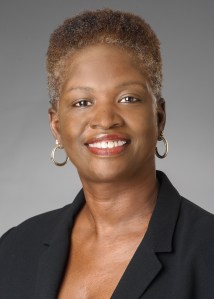
11. Deborah Edmondson

Dr. Debi Lynes speaks with Deborah Edmondson from the Coalition for Aging in Place for any stage in life

(duration: 31 minutes 6 seconds)
Subscribe

Apple Podcasts | CastBox | Google Podcasts | Pocket Casts | RadioPublic | Spotify | Stitcher | TuneIn

Follow

Facebookhttps://www.facebook.com/aginginplacepodcastcom/

Instagramhttps://www.instagram.com/aginginplacepodcastcom/

Twitterhttps://twitter.com/aging_podcast

Resources

Disclosure: Links below to other sites may be affiliate links that generate us a small commission at no extra cost to you.

Aid and Attendance Benefit for Veterans

Instacart home delivery

Seniors Resource Directory

Coalition for Aging in Place

Sponsors

Lynes on Design

Takeaways

There are resources in every city in town in the US. It may be difficult to access initially, but keep looking. Look for things like a senior resource directory or an Aging in Place Council.

Transcript

Debi Lynes (00:03): Hi and welcome to Aging in Place for every stage in life. What if you could visit or have a home that would accommodate anyone at any age, any physical ability at any time? How cool would that be? That’s what we’re doing here at Aging in Place. Why me? Because I’m a doctor of psychology and I specialize in physical spaces in health and wellness. Also, I love designing with intent at any age. Why now? Because we the baby boomers want to age in place gracefully and we want our families around us as much as we can and why you the audience? Because we want you to experience what it’s like to have a home that’s safe, aesthetically pleasing and that you can live in at any age with any ability at any time. I’d like to introduce you now to Aging in Place Podcast for every stage in life.

Debi Lynes (01:03): Hi and welcome to Aging in Place Podcast for any stage in life. I am thrilled to be talking to a dear friend of mine for about 30 years. Deborah Edmondson, thank you for joining us. It’s ironic and interesting that we are both working in the field of Aging in Place and I am really curious if you will, to talk to us a little bit about what you’re doing right now with Aging in Place, how you got involved in it, and then share with this a bit about the whole process of dealing with seniors.

Deborah Edmondson (01:41): Okay Well, Debi, first, thanks so much for having me. I really am, I’m so thankful to be able to talk about this and share this information. Beaufort County, you know, in South Carolina is one of the richest counties. People love to come here and every time, Businessweek or the New York Times says we’re the best of something, even more people come here. And so we have a lot of seniors that have retired. Some of them have been here for 20, 30 years and they don’t know what their next step is. And some, everybody isn’t suited for a nursing home. Everybody isn’t suited or can afford assisted living. And so our mission at the Coalition for Aging in Place is to help people stay in their homes as long as it’s safe to do so.

Debi Lynes (02:31): So that’s the mission statement. Can I ask you a basic question? What is a coalition and how did Beaufort County formulate a coalition and why?

Deborah Edmondson (02:40): Beaufort County back in the 80s, about 30 years ago had a study called the together for Beaufort Initiative. And in that they identified four components: health, wellness, poverty education and lifestyle. Okay. And so within those components, then they developed certain coalitions that would address the needs within those components.

Debi Lynes (03:09): And so coalitions from my way of thinking are different members of the community in different areas of business that all come together and work as one it rather than independently. So that the line of communication and the message stays on point. Is that a fair way of saying.

Deborah Edmondson (03:32): The message stays on point and it also minimizes duplication of services. So if you’re not duplicating services, then you have the resources to help more people.

Debi Lynes (03:42): It makes perfect sense.

Deborah Edmondson (03:44): And so the Coalition for Aging in Place actually was born out of the poverty initiative because a lot of our seniors are impoverished and that includes a lot of our seniors that live in gated communities.

Debi Lynes (04:01): Interesting.

Deborah Edmondson (04:01): They are literally house poor and cannot afford access to the services that they need.

Debi Lynes (04:10): What have you all identified as some of the voids in the area as far as what seniors need? What are areas that you’re really working toward?

Deborah Edmondson (04:22): Transportation. That is the number one issue. Our seniors can’t get to doctor’s appointments. They can’t get to therapy appointments.

Debi Lynes (04:35): Grocery store?

Deborah Edmondson (04:36): Grocery store, and that really erodes your quality of life if you can’t access services. And so the Coalition for Aging in Place, we’ve been putting these nuggets into the ears of businesses and so it’s not by accident that Publix several years ago started delivering groceries in the Bluffton area.

Debi Lynes (05:01): Interesting.

Deborah Edmondson (05:01): Okay. Because we talk about these things and we communicated to the greater public.

Debi Lynes (05:07): How does it, how does it look? What’s a typical, do you meet monthly? Do you meet quarterly?

Deborah Edmondson (05:11): We meet once a month

Debi Lynes (05:13): Okay, what does that look like?

Deborah Edmondson (05:14): That looks like anywhere from five to 20 people that are from different organizations. They could be from hospice, they can be from Palmetto breeze, they can be from our area office on aging. The hospitals are involved. Assisted living facilities are involved and we all get together and we talk about what we have going on. There were certain agenda items that we want to get through that focus on our initiatives.

Debi Lynes (05:43):

Such as.

Deborah Edmondson (05:45): Who can get me into some communities to talk to developing a village that makes.

Debi Lynes (05:51): Now, what’s a village?

Deborah Edmondson (05:52): A village is where neighbors are helping neighbors. Wow. They are contained within a community and they will help people who need the services. Transportation, which is all volunteer-driven. I mean volunteer to the point in their personal car. We’ll help them with getting groceries, take them to doctor’s appointments. They’ll also come in, they’ll also come in. You need light bulbs changed too high for you to get to. You need somebody to maybe just do some light cleaning. Maybe you have meals delivered, but you can’t heat them up. Somebody will come by and help you. Socialization. Our seniors get isolated. They don’t have anybody to socialize with. And so some of the villages have opportunities to take seniors to places where they can have activities that they normally wouldn’t have gone to.

Debi Lynes (06:50): You know, we’re talking about this in South Carolina and Hilton Head specifically in the low country. But this model you said actually came from Massachusetts and it’s kind of generalizable throughout the country, which is why we thought it would be such an interesting topic. I just had no idea how the concept of villages, where did that come from or why the need for that specifically

Deborah Edmondson (07:18): The need for the village specifically came about in trying to create the structure so to speak.

Debi Lynes (07:25): Infrastructure.

Deborah Edmondson (07:25): That will allow people to stay in their homes. And in order for people to be able to stay in their homes, there has to be someone who can help them out with services and the same services that we talk about.

Debi Lynes (07:38): And so what I hear you say and tell me, Deb, we’re fine, right? Let’s say I live here. I live in an area called Point Comfort and it’s a community. So basically what you’re saying is rather than calling someone in Bluffton to come take me to a doctor’s appointment, if I can find folks that are within my neighborhood that I know and feel comfortable with. Ah.

Deborah Edmondson (08:00): Exactly. It’s less expensive than, you know, seniors lately have been calling Uber. Oh, that can get to be very expensive.

Debi Lynes (08:09): I know.

Deborah Edmondson (08:10): But if there’s a structure within your community, you get into the doctor in the grocery store for free.

Debi Lynes (08:16): With people I know.

Deborah Edmondson (08:18): With people, you know.

Debi Lynes (08:19): And I think that’s really important. My dad lives with us and I know he’s a lot more hesitant to go with people. He doesn’t know someone who would be likely to know. Exactly. Oh my gosh. Okay. This is absolutely brilliant. How long have you been working with Aging in Place?

Deborah Edmondson (08:37): I’ve been working with Aging in Place now for seven years. It’s been seven years because I started out basically being not only a facilitator for the Aging in Place Coalition, but what we call a village developer. That’s my goal, to try get communities to develop villages throughout the County because they have to be done a community at a time, you know, they won’t be a village for the County. So we have three that are South of the broad and for those that don’t know our geography, we have this huge river that separates us. And so South of the broad includes Hilton Head [Island] and Bluffton. And then we have one that is North at the Broad in the Sheldon area.

Debi Lynes (09:25): Oh interesting.

Deborah Edmondson (09:25): And because the communities are different, each of the villages are different in the services that they offer because North of the broad happens to be one of our more impoverished areas in the County. And so that village takes surveys of seniors, they go in and do assessments, see what they need, and then they try to provide them with some minor home repair or helping them get their home ready for a senior to live in it, you know, rails and the bathrooms. Wider entrance ways for wheelchairs, things like that.

Debi Lynes (10:05): This is what we’re going to take a break and this is sort of what I’d like to touch on in the next segment that we’re doing is transportation is huge. But I’d like to talk about some of the other things that have been identified as challenges for seniors. So stay with us. There’s more to come here on aging in place. Podcast. Hi, I’m Dr. Debi. Lynes. Design elements are psychologically and physically supportive and conducive to health and wellness. To learn more about what Lynes on Design can do for you, for more information on certified aging in place and facilitative and supportive design, look for us at lynesondesign.com. That’s L-Y-N-E-S on design dot com.

Debi Lynes (10:30): We are back here on aging in place. We are having an amazing conversation with Deborah Edmondson. And the more we talk, the more there is to share, and I think we’re going to talk about services, but before we do, during the break we were talking about the podcast is aging in place for any stage in life and our producer in his forties. And we were talking about if he lives in a village community, yeah. Falls and breaks his leg, is by himself, cannot get to the doctor. Is that something?

Deborah Edmondson (11:27): Yes. Of that village, he can be a member of that village and that village will provide him with whatever services that they have. It just appears that for the most part, it’s seniors that need these services. But if you’re 45 and you’re living alone and you don’t have any family.

Debi Lynes (11:48): Why not?

Deborah Edmondson (11:48): Why not?

Debi Lynes (11:49): See that’s the gift of this whole model, isn’t it? It really. All right. Let’s talk about services. We’ve touched on transportation, which you said is kind of the biggie to quote you, but what are some of the other voice or some of the things that you are.

Deborah Edmondson (12:04): Caregivers. Oh, caregivers. In this County, a couple of opportunities with that. One, there aren’t enough. So we’re working with our local higher education.

Debi Lynes (12:23): Oh like nursing school.

Deborah Edmondson (12:26): Exactly. For training, not only nurses, caregivers, just certified caregivers.

Debi Lynes (12:33): So what would that look like? What that could be a caregiver and what kind of.

Deborah Edmondson (12:38): A CNA. Okay. Certified Nursing Assistant. That’s two years at Technical College in the Low Country.

Debi Lynes (12:45): What a great career too.

Deborah Edmondson (12:46): Okay. but then pay comes into mind. And so the pay level, especially entry-level, it’s not great. And so there’s high turnover because when you can move and have an increase in your salary, you move. So there’s high turnover and there’s not enough to staff the places because you see the construction that we have going on around here and a lot of assisted living facilities are going up. Those facilities that are tied to larger corporations, then they can pay and they have the work. So it’s hard to keep up with the workforce, especially for the independent companies.

Debi Lynes (13:31): Let me ask you a question about caregivers. Because my mom had a caregiver when she had dementia. I found it interesting that very few men, yes. And that most of the caregivers were pretty young. Yes. So what are you looking for? I mean I wonder what criteria folks you all would be looking for for an ideal caregiver? I guess there isn’t one. It just depends.

Deborah Edmondson (13:58): It really isn’t. I mean you’re looking for someone and they vary in the qualifications vary because myself, I have been trying to see how the Coalition can help some of our partners who sit around the table improve the workforce population for them. Okay. And.

Debi Lynes (14:21): This is interesting.

Deborah Edmondson (14:23): Where when we, we had a strategic work session on that and we were really all over the place and the bottom line was talk to TCL [Technical College of the Lowcountry and see if we could send Colleges, I’m sorry. Thank you. What was needed were internships.

Debi Lynes (14:40): And what would that mean?

Deborah Edmondson (14:42): Because when they get certified they have to have X amount of hours training first. And so now your what comes first? The chicken or the egg. And so that was a component that was missing that we said we would try and work on.

Debi Lynes (15:00): What I hear is Deborah that this is a very solution-focused group for B for County and aging in place.

Deborah Edmondson (15:09): We, that’s what we work towards it to be every June we have a strategic work session and we identify initiatives to work on during the year. So the coalition this year has a couple of events coming up because also at our meetings we do presentations for the people who sit around the table. So we’re going to have one presentation is called our fall workshop. Okay. And what is.

Debi Lynes (15:38): A Fall? Yes. Workshop.

Deborah Edmondson (15:40): Falling

Debi Lynes (15:43): Oh I’m giving air quotes.

Deborah Edmondson (15:43): Oh right. Yeah. We see different counties spending a lot of money with the fire department and going out to pick up seniors. As a matter of fact, every time the truck rolls is $500.

Debi Lynes (15:58): We know what’s funny is we had a firefighter come and share with us and that was exactly what he said. His main calls for seniors are false.

Deborah Edmondson (16:08): So this workshop will take place in Bluffton. It’s going to be the end of March. And what we’re going to do is just have some fall preventative measures testing that might need to be done and.

Debi Lynes (16:22): Balance.

Deborah Edmondson (16:22): Balance, different things that you can do to avert falling. So that’s what we’re calling our fall workshop. Then also we found out that veterans and spouses of veterans have a wonderful benefit that a lot of our veterans don’t know about and it’s the Aid and Attendance Benefit from the VA.

Debi Lynes (16:45): What is that?

Deborah Edmondson (16:46): And so if you served during wartime, you did not have to be in the war, you wouldn’t be in Jersey. But if the country was at war in Europe you’re in and it goes up to the Vietnam war and then they are worse there is some more criteria for like Afghanistan and Iraq, but they can get as much as 20 some thousand dollars a year to go towards caregivers or assisted living. And because a lot of veterans don’t know about this. We had the gentleman who coordinates this area to come and speak with us and we’re now going to give a presentation with him sometime in late spring.

Debi Lynes (17:35): How do you all get the word out to the folks and the Beaufort County area, I know that you, you do produce a wonderful resource directory, which is a godsend.

Deborah Edmondson (17:52): All right. And that helps. And it’s going to the new one that’s coming out. We’ll include a calendar of events and so it will have our annual events listed in any other event that’s pertinent to seniors. And we also do PR. And then for the people who sit around the table in the coalition, they use their resources to get the word out as well.

Debi Lynes (18:12): Is church ever a problem, folks who want to participate in their church activities? I would think there again, transportation and accessibility would be a challenge for that too.

Deborah Edmondson (18:23): It is a challenge. And so, I mean if you’re involved with a village, you can get transportation to church services. The village that I mentioned that’s North of the broad actually was born out of a church. It’s their senior adult ministry and they offer seniors they do a health and wellness expo twice a year and they focus on different aspects of senior living. There’s one tomorrow. They’re doing it on dementia and caregivers and so, and then they also offer socialization because disability is in a very rural area. The seniors tend not to be able to get out and mix and mingle with other people, so once a month they try to have something where the seniors can go and participate like the conference tomorrow or maybe they might go take a boat ride in Savannah and have lunch or go to a museum in Charleston and have lunch so they do different things and these seniors wouldn’t have had that opportunity.

Debi Lynes (19:23): Oh my gosh. It’s amazing. I think we need to take a quick break. We’re going to come back on aging in place. Stay with us. We’ll be right back.

Henrik de Gyor (19:32): For more podcast episodes, links, information and media inquiries, please visit our website at aging in place, podcast.com as we transition through life with the comfort and ease you deserve, discover how you can create a home that will adapt to you as you journey through life and the changes it will bring. Please follow us on Facebook, Twitter, and Instagram as our host Debi Lynes and her expert guests discuss relevant topics to creating a home for all decades in life. Don’t miss our weekly episodes of Aging in Place Podcast for every stage in life.

Debi Lynes (20:10): We are back here on Aging in Place Podcast for any stage in life. Debra Edmonson is joined us and we’re talking about aging in place and some of the resources here in Beaufort County in South Carolina, although we’re talking specifically right now locally, really this is a very generalizable model and, and I don’t care in what city you live.

Deborah Edmondson (20:37): It can be replicated.

Debi Lynes (20:38): That’s right. And the issues are the same. Right. And I think again, we’re trying to open, open up a dialogue about things as we age that we may not be aware of. And what Deborah shared in the first couple of segments was transportation is absolutely a huge issue. One of the things we’re going to talk about in this segment is about adult protection. Talk to us a little bit about that.

Deborah Edmondson (21:04): Well, the department of social services at the state level has an adult protective services division. So each of the offices in each County has an adult protective services and what they.

Debi Lynes (21:18): Yeah. What is that and why?

Deborah Edmondson (21:21): Well, because we have a lot of our adults, specifically seniors who are vulnerable.

Debi Lynes (21:26): Okay. So they are considered a vulnerable population like children.

Deborah Edmondson (21:31): Yes, exactly. And so the family group conferencing process in South Carolina started with children and they realize that for vulnerable adults, this would be a great model.

Debi Lynes (21:44): And what does that look like?

Deborah Edmondson (21:46): What that looks like is bringing together for a family a meeting that includes service people. So, and I’ll give you a very good example. Okay. There was a vulnerable adult who had children but they could not care for her. And she had mental issues. She also had physical health issues. And she was in the custody of DSS because her children couldn’t care for her. They didn’t have the qualifications. But what we were able to do is bring together someone from the area office on aging, someone from an assisted living facility them, the caseworker was there. We also brought someone in from a hospice agency and a caregiver agency. So now the family has people to talk to because they didn’t know where to go to get help. Now they have people to talk to and we develop a plan and the plan is very specific person does this activity and they have to do it by this date with an end date. And this plan is then implemented and the goal is to make sure that that vulnerable adult is put into an environment where they are safe. Now that environment could very well be their home, but that might mean we have to get someone in to do some repairs. Okay. So the plans are tailored to that person.

Debi Lynes (23:26): And they are very, very specific.

Deborah Edmondson (23:28): Very specific. And so we had the state coordinator come and give us a presentation and so the people who sit around the table were able to get her contact information and they can provide her referrals. Of people who they work with that they think are vulnerable.

Debi Lynes (23:48): So what I hear you say again here is these are about specific people as it’s not just conceptional, right. Fascinating. From an adult protective services. I never really thought about caretakers not being able to, to take care or family, not being able to take care of someone. But I think that is something to really consider. And I guess adult protective services would also be involved in any kind of senior abuse or money.

Deborah Edmondson (24:21): Yes. Yes, they are. There have been instances where some adults have fell prey to scams or thinking that maybe one of their children were really taking care of them and they weren’t. They were just siphoning off their money. These are all types of situations that adult protective services will get involved in.

Debi Lynes (24:43): Do you find that as you start when you started this, the amount of knowledge that you’ve gained that you didn’t know?

Deborah Edmondson (24:53): Tremendous. Absolutely tremendous. And I’ve been able, I mean the knowledge that I’ve gained has helped me within my own family structure because there was so many things that we did not know about that I can impart to family and imparts of family, friends all over the country. You know, I’m always telling family members and friends who are taking care of their parents. Why don’t you look into this agency? Why don’t you look to your community? So the things that I’m involved here in Beaufort County, definitely I have talked to people about in New York and Alabama and Illinois. In Michigan, they are all transferable services.

Debi Lynes (25:35): Let me ask you a question about actual physical structures. What about things like what am I trying to say? Handlebars or safety bars, things like that. Aren’t those things that you do also?

Deborah Edmondson (25:49): We don’t do them specifically, but the area office on aging and every state has one. You can go to them and they have grant, they have grant money at the area office on aging and the grant money is for things like that, their remodels so that you can so that your bathroom is set to be handicap or if you need lifts to help you get out of bed, there’s grant money for that through your area office on aging.

Debi Lynes (26:21): So when I hear you say again, there are resources available. Part of the issue is getting all of that information out to the public. Yes. And one of the things you said when you came in that was interesting, I think for me Henrik and I think the rest of you all was, it’s not about getting the message out to the patient, if you will, or the client who’s the senior. It’s about the family.

Deborah Edmondson (26:47): It’s about the family. Because children need to know where to go to help their parents, especially if they do not live in the same area. You know, they used to be a time that we all live together, stay together in the same community. Now, you know you can have parents on the East coast and children on the West Coast and they’re not familiar with. Their parents have retired too. You know they were born and raised in New York, but mom and dad decided to move down to Hilton Head and then they can contact the Coalition for Aging in Place. At coalitionforaginginplace@gmail.com. They can also contact the Low Country Council of Governments or whatever council of governments might be a respective state because that’s where the area office on aging, we’ll sit and they can find out about grants. There are grants for respite care so that if you know you’re the caregiver in your family and you’re like, I just need a break. I want to go get my hair done. Exactly what I was. Okay. They were grants that will allow you to, they’ll give you money. It’s small, but it’ll pay for someone to come into the home and stay with your family member while you go to have some respite.

Debi Lynes (28:08): Deborah, this information has been absolutely priceless and I think again, the more knowledge is power and just this, this discussion right now is opened up a whole plethora I think of questions that we can can answer here within this podcast. So thank you for joining us.

Deborah Edmondson (28:26): Thank you for having me.

Debi Lynes (28:27): We want to thank all of you for joining us here on Aging in Place Podcast for any stage in life. Debra, before we go, I’d love to have you again, little shameless self-promotion and if are there any other websites or um.

Deborah Edmondson (28:42): No, I like everybody to be able to access the senior resource directory that we have here in Beaufort County and that senior resource directory.com.

Debi Lynes (28:52): Yay. Thank you all. Thank you all for joining us. Have a wonderful week. Bye-bye. I’d like to introduce you to a friend of mine, Tracy. Tracy is naturally curious and always creative. And when we were doing the Aging in Place Podcast, she said there are so many quick tips that I can think of offhand. My response. Who knew she’s going to be with us every week, giving us a quick tip and to hint. That is a practical application.

Tracy Snelling (29:26): Thanks Debi. Hit your ride. Don’t be afraid to ask family or friends for rides. Search out the senior transportation in your area. There are many agencies that have volunteers to drive you whether to the doctor or shopping. The good side about asking family. You can use the I buy and you drive for lunchtime. Allene but my mother was dependent on others. We made a family calendar on who could take her on what days. It made it easy to plan her doctor visits and shopping when she knew ahead of time she had a ride. Mama’s always happy to have family accompany or and enjoy treating or ride. Who knew we would miss being her chauffeur when she was gone.

Debi Lynes (30:07): Deborah Edmondson provided a wonderful interview today and there was really a lot of information. Perhaps the biggest takeaway is this: There are resources in every city in town in the US it may be difficult to access initially, but keep looking, look for things like a senior resource directory or an Aging in Place Council. Have a wonderful week and thank you for joining us here on aging in place. Bye-bye.

Henrik de Gyor (30:37): Aging in Place Podcast is hosted by Debi Lynes and produced by Henrik de Gyor. If you have any comments or questions, send an email to debi@aginginplacepodcast.com we would love to hear from you if you’re interested in advertising or sponsoring this podcast, email us at pr@aginginplacepodcast.com Thank you for listening to Aging in Place Podcast.
10. Mel Savage

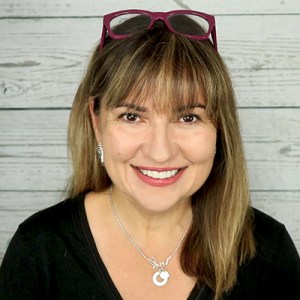
Dr. Debi Lynes speaks with Mel Savage of the Career Reset about reinventing yourself at any stage in life

(Duration: 33 minutes 5 seconds)

Mel Savage

Subscribe

Apple Podcasts | CastBox | Google Podcasts | Pocket Casts | RadioPublic | Spotify | Stitcher | TuneIn

Follow

Facebook: https://www.facebook.com/Aginginplacepodcastcom/

Instagram: https://www.instagram.com/aginginplacepodcastcom/

Twitter: https://twitter.com/aging_podcast

Resources

Disclosure: Links below to other sites may be affiliate links that generate us a small commission at no extra cost to you.

Safety grips

The Career Reset

Sponsors

Lynes on Design

Takeaways

It is never too late to reinvent yourself and reinvention can look like a job change. It can look like an attitude change. It can be pretty much of anything, but here’s the bottom line. Don’t be afraid.

Transcript

Debi Lynes (00:03): Hi and welcome to aging in place for every stage in life. What if you could visit or have a home that would accommodate anyone at any age, any physical ability at any time? How cool would that be? That’s what we’re doing here at aging in place. Why me? Because I’m a doctor of psychology and I specialize in physical spaces in health and wellness. Also, I love designing with intent at any age. Why now? Because we the baby boomers want to age in place gracefully and we want our families around us as much as we can and why you the audience? Because we want you to experience what it’s like to have a home that’s safe, aesthetically pleasing, and that you can live in at any age with any ability at any time. I’d like to introduce you now to Aging in Place Podcast for every stage in life.

Debi Lynes (01:05): Hi and welcome to Aging in Place Podcast for any stage in life. I’m Dr. Debi Lynes and I’m here today with my friend Mel Savage. Thank you so much. We are videotaping today, which is always a treat.

Mel Savage (01:15): I love it, I love being on video. (coming later)

Debi Lynes (01:15): It adds another dimension to a very depth and breath conversation. I’m excited to talk with you today and I think our listeners are going to be really curious about your background and why we’re talking about this subject. So if you will share with us a little bit about your history and where you’re from and what you do now.

Mel Savage (01:38): Okay. Well, first of all, I’m a Canadian. I’m a Canadian wintering in Hilton Head [Island, SC], which is the best place to spend your winter I think for any Canadian out there. And the people here are fantastic.

Debi Lynes (01:50): Where in Canada?

Mel Savage (01:52): I live just outside of Toronto actually. I live in a Lake community, so I’m, you know, beach in Canada in the summer and beach in Hilton Head in the winter. That’s just my idea. That was the vision that I set for myself for my career. So I’ll, I’ll back up a little bit. I am a ex-corporate lifer. I worked both in advertising and marketing for years. My, I guess I spent the most time working with McDonald’s. I was their head of marketing in Canada and in the UK and then at about 45, so not that long ago, quote unquote, not that long ago. I decided I don’t really know what I want to do, but I don’t want to be doing “this” anymore. And I saw that sort of permeating so many people in the corporate world there. They were there to make money too, you know, buy things and make their life quote unquote happy, but they’re not really enjoying themselves.

Debi Lynes (02:40): Fulfilled or purposeful.

Mel Savage (02:42): And people call it midlife crisis. But I think it’s just that, that sort of time in your life where your value starts to change and shift and you don’t really, your career in your life hasn’t shifted with it yet. So you feel a bit, I call it wobbly, a little bit wobbly that the ground underneath you sort of not stable like it was before. So I had that. I’ve said, I’m going to change, I’m gonna change my life. And so I went out and got my coaching certification and I opened up my own business, which I’d never done before, which is called the career reset. And what I do is I really help people find success in a job that they love. And so that can be helping you amplify your performance in a current job that you love or go out and maybe change your career completely or just find a new job in an in a new place. So it’s sort of everything in there. And for a long time I focused on just corporate people and then what ended up happening as entrepreneurs were coming to me and you know, you have to really be open to whatever comes to you in that space. So entrepreneurs are coming to me as well. So now I help entrepreneurs as well, not only with, you know, how to maintain their mindset in starting a new business, cause that’s really hard, but also a little bit on the marketing side to how to really amplify their business success.

Debi Lynes (03:49): One of the things that was exciting. You and I were actually doing another project. We were chatting and I felt like it’s so pertinent to aging in place for a couple of reasons. The fact that you work corporate, you’ve had a career, you’ve shifted and changed and reinvented yourself. And I think that for many of us as we age and because this is for any stage in life, you know, we’re talking about it as a function of age. But what I like about what you say, it’s really about value realignment. I find that if you’re living your values and there’s a congruent C to them, then purpose, fullness and happiness really follow. So what if you noticed in most of your folks? Is there a common theme?

Mel Savage (04:32): Well, it depends on where they’re coming from, but one of the common themes that I think is relevant to this discussion is I get a lot of women saying, “you know what? I’m 50 plus. No one’s going to want to hire me. I don’t know what to do”. You know that happens a lot. And I think that comes from this belief… the societal belief that after a certain age we, we can’t do things anymore or we’re not sure we’re worthy anymore. So it’s really about re-engaging those people and saying, no, no, look what is it that you love doing.

Debi Lynes (05:03): Exactly.

Mel Savage (05:03): You can either reinvent yourself in what you already love doing in a field that you already have experience and capacity in or you can rear impact yourself and do whatever you want. It’s all about what’s in your head and the stories that you tell yourself.

Debi Lynes (05:17): Well, and that’s funny that you said that because on the flip side, I have a 33-year-old daughter who’s getting ready to have her second child and she is a, she’s an anthropologist and also a teacher. She’s choosing for the next couple of years to go on hiatus and kind of stay with these two kids. And I find it interesting that the issues that I often face or what she’s talking about and so we have to sort of common denominator now about how do you reinvent yourself without losing yourself.

Mel Savage (05:50): Right. And I think these are common issues regardless of your life stage. I think maybe the stories we tell ourselves sometimes are a little different depending on the life stage that we’re in. I just was talking to a client last night, she, you know, educated all over the world, got her MBA, did exactly what she wanted to do and is teaching now in a private school and hates it. She’s 27.

Debi Lynes (06:11): Oh my gosh, Okay

Mel Savage (06:13): And she said, you know, I don’t know what I want to do with my life. And I think that’s what we often miss and we were talking about it briefly before, is that you know, your work life, your personal life, your relationship, your own self-care and your own self worth are also intrinsically linked. You really can’t sort of say.

Debi Lynes (06:31): Teased them out.

Mel Savage (06:32): Yeah. I teased them out. They, sort of, they’re, it’s like, Oh, what’s that word? I was looking for it. Well, they, they, they spread into each other. Right? So you, you really need to start with yourself. You’re the cog in this whole wheel. Decide what you want to be. That’s where I start with my clients. What is it you want your life to look like? Not necessarily a career. What does it mean your life to look like and then fit it in? Cause that’s what I did. I was in a corporate job where I commuted an hour each way every day to my job and worked 12 hours a day. And I said, no, I want my life to look like I can work from anywhere.

Debi Lynes (07:02): Okay. So that was the first thing you do. I think this is really interesting. I almost like to pretend that again, regardless of age, I’m a client. And how do you begin? What are the questions that you’re asking me?

Mel Savage (07:14): Well, I always start with, well, what do you want in your life? Where do you see yourself? What does success look like for you? Not just in your life, but in sort of in your career, but in your life. Okay. And then we start there. And then how do you see your career fitting into that? So the process that I take people through is really about first life visioning. Then understanding what makes them tick. What are their strengths, what makes them feel strong, what makes them feel weak when they’re doing it? And what are their current values? Getting realigned with those and then applying all of that to what that means for their career won’t actually be talk about career until maybe three or four weeks into the process when we really have a sense of who they are and what they want. And within that process, one of the thing I’ll add is we talk a lot about conditioning your mind for success. So how do you think about yourself? How do you rethink and reframe what you think about and believe about yourself?

Debi Lynes (08:04): What is the story I’m telling myself that may or may not be accurate?

Mel Savage (08:07): That’s right.

Debi Lynes (08:08): We were just I have to tell on myself a little bit. It’s, it’s, I’m just frustrated with my computer and I’m like, Oh, I’m so dumb at the end. You’re like, Whoa, Whoa, Whoa, Whoa, yeah, I invite you.

Mel Savage (08:18): Right, right I offer you a new story.

Debi Lynes (08:22): Exactly because I think Jean, do those negative, that negative self talk or those automatic thoughts often pop up.

Mel Savage (08:28): Right and we don’t have to think that. If you think, Oh, I, I just, tech is so confusing, I just can’t do it.

Debi Lynes (08:33): That’s a story.

Mel Savage (08:34): You want to do it, you couldn’t do it. And it’s about getting comfortable with the discomfort. We always talk about that. Oh, you need to get comfortable with being uncomfortable. And we say it like it. Just say it. We don’t actually know what it means. And it’s learning to actually get comfortable that.

Debi Lynes (08:47): Being a psychologist, one of the things that I find interesting is most often change happens from discomfort.

Mel Savage (08:54): That’s right.

Debi Lynes (08:55): When you’re in your safety, your little bubble.

Mel Savage (08:57): That’s right.

Debi Lynes (08:57): I don’t need to change. I have my fluffy robe and I’m all good.

Mel Savage (09:00): I know we have this time thing. I want to say this thing about that. It’s really important what you just said, because as human beings, we often react to crisis, right? When we have to make a change. And one of the things I talked about when we were together on the other project is, you know, we as we’ll spend so much time in our lives doing our homework when we want to buy and make a big purchase, right? Whether it’s I’m going to buy a house or a car or a new, you know, iPhone or whatever. We do all our research. We spent hours and hours when we’re going to spend the money. We do our homework when it comes to making the money. We don’t do our homework, right? We just learn drift from one shiny object to another one easy solution to another. And so what I work with my clients on is just spending that time, which doesn’t take that much. You know, it doesn’t take that. It takes a few months to do that introspective work, understand what makes you tick and do the practice of setting up your mind for success and then going after what you want.

Debi Lynes (09:54): I want to continue on that. I want to know what vision boarding is for you, like visioning cause I think that’s really important. We’re going to take a real quick break. We’re a little bit earlier. We’re going to head and take a break so we can come back and continue to talk about this cause it’s really fascinating.

Mel Savage (10:07): All right, great. Excited.

Debi Lynes (10:08): Stay with this. There’s more to come on. Aging in place. Hi, I’m Dr. Debi Lynes. design elements are psychologically and physically supportive and conducive to health and wellness. To learn more about what Lynes on Design can do for you for more information, on certified aging in place and facilitative and supportive design. Look for us at lynesondesign.com. That’s L-Y-N-E-S on design dot com. We are back here on aging in place for any stage in life. I am with my friend Mel Savage and I tell you what took a quick break but we keep on talking because I think this is a subject that once you open up the dialogue, people are not only curious about but anxious to really share their stories and others. Do you find that?

Mel Savage (10:57): Yeah, people, people definitely want to share their stories. I mean people want to hear other people’s stories. You know, when we hear other people’s stories that almost like it gives us permission to go after of changing our own story or taking some action in our own story.

Debi Lynes (11:12): Do you find that people are pretty well aware on, I know that we were talking in the first segment about, you know, really aligning your values. What do you want? What does success mean for you? How do you define that? How do we know that? Or does it take some kind of clever coaxing from you to help me put that into words? The language.

Mel Savage (11:33): Right. Well I guess it really, it really depends because you can say, so say for instance, successes of value. Okay. But you have to define it. Success is too broad of a thing. It’s like saying wealth is a value. You might be family and friends and you know, whatever. And it’s not that people like money, money, money, right.

Debi Lynes (11:53): Exactly.

Mel Savage (11:53): You have to define what it means to you and where that comes from. First I find is we go through as part of the process of values assessment, my values assessment.

Debi Lynes (12:04): It’s my favorite thing ever.

Mel Savage (12:06): Is tough for people because a lot of people say, okay, here’s, here’s your sheet of values. Pick 10 of these and then, you know, think about it and pick three. I go, so deep people are like, ah, that was really hard. But it is very introspective. It’s about starting with that long list of values. Really understanding in your, in yourself, okay, what is it now that I’ve got this long list, what is it my life like when I feel like I’m being sorry, what’s happening to me when I feel like I’m being stomped on or when I feel like I’m, I’m totally common at peace. What am I doing? And then what’s the value behind that? So if for instance, you know, I feel very common at peace when I’m doing something that stretches my mind, perhaps growth is a value.

Debi Lynes (12:51): Well, that’s funny that you say that because one of the things from doing the podcast is I’ve had to continue to learn, right? and at 66, you know, you think oh I’m kinda done with that. Right? No time up. Four and five hours will go by as I continue to learn something that I in no way, shape or form even knew I was interested in. So that’s really what you’re saying.

Mel Savage (13:12): Yeah. And then the other thing is respect is a big one for people, right? So, Oh, of respect is a value for me. Okay.

Debi Lynes (13:19): Does that mean.

Mel Savage (13:19): Exactly. So when I feel like my people expecting me or my, my self-respect or someone’s treating me as being stomped on, okay, we get this, this step values. And then what I want people to understand is there are values in your life that you’re holding onto that are giving you energy and sucking your energy. Okay? So for instance, if, if the idea that people are disrespecting you, whether that’s they cut you off on the freeway or they, whatever, show up late for a meeting. If that’s what you consider, you know, a value, but it makes you angry more often than not, it’s sucking. Maybe that’s a value that you don’t necessarily need in your life anymore. Maybe there are other values that can really open you up. It’s your choice. You might say, no values, respect is an important value to me. Or you might redefine what the value of respect means to you and make it a bit more aspirational and change it into something that can give you energy versus take your energy.

Debi Lynes (14:15): Take your [energy], I never thought about it as values that can actually, things that you hold important, that aren’t serving you well. It’s really what they are saying.

Mel Savage (14:23): And they want from you is security. Financial security was a big value for me or comfort and that was holding me back, you know, from taking, moving forward and what I want to do with my life because my sense of security like freaked me out when I thought, Oh my God, am I going to get a steady paycheck? So how can I handle this? And that freaks a lot of people out. So I needed to learn to let go of that and think of money differently.

Debi Lynes (14:45): And so I think when I, when I hear things like I needed to learn how to let go or that are specific skills and strategies and techniques that you recommend.

Mel Savage (14:54): Well I, I’m sure you know the positive psychology model about thoughts, drive feelings, drive actions, drive results. And I really embedded that into my practice at all stages, whether it’s writing your career plan or just conditioning your mind for success. So if you have a thought in your head that without a steady paycheck every week I’m going to not be comfortable or I’m going to be stressed out. That’s a, that’s a thought, right? And so it’s about the idea that, you know, if, if the circumstance or the fact is I’m not getting a steady paycheck every week, download all your thoughts about what that means to you. Think and then pick one and understand what it feels like.

Debi Lynes (15:32): You know, it’s interesting, let’s kind of shift this to an aging in place model, if you will. I have a client right now that I’m dealing with that is moving from their, their forever home into assisted living. Absolutely phenomenal place beautiful now.

Mel Savage (15:51): And so many people feel that way.

Debi Lynes (15:53): It is, it is. It’s really taking an emotional drain. So what I hear you saying is how you offer skills and strategies to help shift that negative mindset.

Mel Savage (16:07): Yes. So if she’s got she, what she would need to do is download all the thoughts she has about, obviously she.

Debi Lynes (16:14): I’m getting old, I’m this, I’m that and.

Mel Savage (16:16): She’s got to pick one. Obviously the overwhelming emotion for her sphere. Okay. Okay. It sounds like. Yes, but what is, what, what are the… what is the main thought driving that fear. And so the fear is leading her to an action of resisting the change and the results she’s going to get is being unhappy on what she’s doing. Let’s say.

Debi Lynes (16:34): Gosh, she could really psychologically analyze that: fear, mortality, independence, quality of life.

Mel Savage (16:40): Then what I tell people is, “okay, how do you want to feel about this?” So this is the key thing. You have to want the change. Like if she is like digging our heels, and saying, “I don’t even want to think about what’s limiting my beliefs. I just don’t want to go,” then she’s not ready to have this conversation.

Debi Lynes (16:52): Do you do a lot of stages of change?

Mel Savage (16:53): Where are you, you know, there are different stages of change where there are some people who just know I’m not ready to even talk about it. And then it sort of like a, I’ll think about it. We’re not really going to, if they don’t want to talk about it, I can’t work with them. Okay. That’s the thing. If you’re not ready, cause I can only kind of show you the way. I can’t do the work for you. You have to want to do the work or you’re not going to do it. So let’s say she wanted to feel, so what do you want to feel about? I want to feel comfortable. I want to feel excited.

Debi Lynes (17:20): I know this is a great move for me. I just feel all this apprehension.

Mel Savage (17:23): Right. So, but I want to feel excited. Okay. What thoughts do you need to think? Okay. To feel excited.

Debi Lynes (17:29): Yeah, I guess I need to feel secure. I need to feel connected. I need to feel that I

Mel Savage (17:37): And what are the thoughts you need to think? You need to think this could be good for me.

Debi Lynes (17:41): Okay, great. Positive thoughts. Right? This could be good for me.

Mel Savage (17:44): I’m going to see friends. Yeah, it’s going to be safer for me there. Got it. You know, my, my family still gonna come see me. I can build a new community. What are the thoughts that are gonna make you feel? Whatever it is you want to feel. Okay. And then what you need to do is say to yourself, okay, someone who thinks this is going to be good for me, new move for me and for us to feel comfortable. How would they act? Well, they would be open to all the things.

Debi Lynes (18:07): They would invite me to cocktails at four 30.

Debi Lynes (18:09): Right. And so then you start to practice behaving in the way that kind of person would behave.

Debi Lynes (18:15): Got it.

Mel Savage (18:16): Right. And it’s not going to be easy. You have to, and I write models everyday for myself. Like these are, I call this the self reset model and I’ve just branded it. I didn’t invent it obviously, but you know.

Debi Lynes (18:26): Self-reset model. I like that.

Mel Savage (18:27): So I just, you know, I’ve practiced models everyday on myself or things that are holding you back. And so if this person could practice the model of behaving in a way that gives her the feeling and the thoughts that she needs to have to create the life she wants in this new environment.

Debi Lynes (18:43): In many ways, it’s developed, I hate to say it and simplify it as developing new positive habits. It’s that work for you.

Mel Savage (18:51): Right.

Debi Lynes (18:51): And in a belief that you believe.

Mel Savage (18:53): If she said, you know, for instance, you know, if I said to me, I didn’t, if I had low self-esteem and all of a sudden my belief is I’m the most beautiful woman in the world, right. My brain is going to fight against that. So I need to think something that is believable. Take a step. So it might be, okay, there are a lot of good things about me there. I might start to first by my start there. You know.

Debi Lynes (19:13): And I think what I hear you say is this is about reality. One of the things I learned a long time ago that positive psychology is it’s not rainbows and butterflies, unicorns and you know, no, it’s not. It’s about being real. But recognizing that we do have the power to sort of share the way our brain works.

Mel Savage (19:31): It just takes practice. It’s like if you are someone, and I missed a lot of people like this and Hilton head, who is a fitness person or always trying to improve your golf game or whatever it is, I mean, you practice all the time to get good at that baby’s done further, right? Just practice. It’s just practice.

Debi Lynes (19:49): I have a new little one and you know, she’s learning to walk and she doesn’t just get up and walk, she gets up and falls down and gets up and gets up and fall down and you forget about that. You really do.

Mel Savage (20:00): She doesn’t care that she’s falls down.

Debi Lynes (20:01): Having black. Shelly, this is so cool. We’re gonna take another quick break. We’re gonna come back and we’re going to talk about if, if you’re willing to do this, about sort of shifting careers as you age. And is it ever, are you ever too old to sort of rebrand yourself a better word? Stay with us. There’s more to come on aging in place.

Henrik de Gyor (20:21): For more podcast episodes, links, information and media inquiries, please visit our website at Aging in Place Podcast.com as we transition through life with a comfort and ease you deserve. Discover how you can create a home that will adapt to you as you journey through life and the changes it will bring. Please follow us on Facebook, Twitter, and Instagram as our host Debi and her expert guests discuss relevant topics to creating a home for all decades in life. Don’t miss our weekly episodes of aging in place. Podcast for every stage in life.

Debi Lynes (20:59): We are back here on aging in place. I am here with my friend Mel Savage and we’re having an absolutely fascinating and I like to call it spirited discussion. Today. I’m really about rebranding, reinventing yourself. And when we took a break I was asking if it’s, is it ever too late to rebrand myself to my too old to get a job? You know, do we, as we get older, begin to think in those terms?

Mel Savage (21:28): Well, I think we think in those terms, but those are stories that we tell ourselves.

Debi Lynes (21:33): We tell ourselves.

Mel Savage (21:34): So let’s ask, you know, Betty White, if she’s too old, let’s ask, what does that guy who’s, whose mother is like an icon now that the rich guy with the rockets.

Debi Lynes (21:45): She branded?

Mel Savage (21:46): No, no, no. I can’t think of his name.

Debi Lynes (21:50): Has anyone knows the name? [Elon Musk]

Mel Savage (21:50): His mother, right? She’s a new icon. Right? So you can if you think you’re too old to do something, then you will be too old to do something.

Debi Lynes (22:03): What’s interesting, our producer Henrik is asking a question during the break. “What about age discrimination?” Is that something that folks bring to the table when they talked to you?

Mel Savage (22:11): Yeah, and I think it’s a real thing. It’s just like any other kind of discrimination. You can’t think your way out of changing the world’s… other people’s thoughts. Right? So, you know, the big thing about the positive psychology model is there’s something called a circumstance, right? And circumstances are other people.

Debi Lynes (22:26): Correct.

Mel Savage (22:26): And you know, facts or things that happen outside of our control, you know, you cannot control other people, although a lot of people spend so much energy trying to control other people. You can’t control their people. So there’s going to be people out there who don’t want to work with “old” people are intimidated by “old” people. when I say old, I’m like air quoting “old.”

Debi Lynes (22:48): It could be 40.

Mel Savage (22:49): That could be 40. Right? I’m turning 50 this year. I feel like 50 is the new 30 sister, whatevs. Right. I just said whatevs and I’m 50.

Debi Lynes (22:56): and I understood it and I am 66 so there you go. Henrik’s like “I never even heard of it.”

Mel Savage (23:04): That’s right. Yeah. So I mean, yeah, they’re going to be out there that doesn’t have to stop you from going after what you want and rebranding yourself and going out there with a mindset of success and abundance.

Debi Lynes (23:21): And let’s talk about baby boomers right now because I think that we are almost ubiquitous. We’re pretty much all out there now. We’re a huge part of the demographic and we’re just growing. And I think it’s, it’s interesting. My dad lives with us and he’s 91. And his mindset I think is his belief system is a bit more rigid. And I find that the older I get, the less rigid I am, the more open to new things and new experiences. So as part of that, just minding your beliefs and following exactly.

Mel Savage (23:55): Personality too. It’s who you are. I mean, my husband, maybe it’s, there’s some gender stereotypes in there too. My husband seems to get less and less. He’s a boomer. I’m a gen X or, so yeah.

Debi Lynes (24:06): Does he gets curmudgeonly?

Mel Savage (24:06): He gets curmudgeonly and then I’m like “snap out of it ” and I snap, you know, I think it’s just attitude, everything. But we’re talking about his attitude, you know, nobody, I was getting ready for this and I’m just going to have video and I put makeup on and I was saying nobody cares when I look like no one actually cares. The end of the day, if I, as long as I’m saying something smart or has helpful or inspiring or whatever we call ourselves, you know, hope dealers. I’m a hope dealer. Very long as I can provide some hope. No one’s actually going to care what I’m wearing, what I look like. And that’s really the way of the world, right? If you’re providing value to people, you know discrimination. I was just, I watched this great thing yesterday on Arthur Ashe cause the Australian open just started and I’m a huge tennis fan.

Debi Lynes (24:56): Love it, how was the weather there by the way?

Mel Savage (24:56): It rained yesterday, but it’s sunny today. Anyway, Arthur Ashe, his story and he did not let, and there’s so many great stories like this, right? He did not let discrimination stop him from going after what he wanted to do. In fact, look at it as an opportunity to change the world. He went to Africa and he spoke out against apartheid and tried to change apartheid in sport. And you know, these are all things that are possible when you change your mindset and use the, you know, quote unquote block as an opportunity.

Debi Lynes (25:30): Oh my gosh, I’m inspired just thinking about it. So what I really hear you say is as we get older, use that as an opportunity for growth because, and this is just a fact, as we age, our experiences become richer. Don’t you say? I think so safer and more toweling yeah. So.

Mel Savage (25:55): Can make people get more tired when they’re older. Like I don’t want to try anymore. I want to take, I don’t want to take any chances anymore. I don’t want to, well that’s, that’s okay. That’s you, that’s your life.

Debi Lynes (26:04): But I invite you.

Mel Savage (26:05): Yeah. However, it’s a kind of goal that you want to achieve. You know, it’s going to take action.

Debi Lynes (26:12): Is there a way that you determine goals and objectives for people are, do you go broad spectrum for that and then kind of drill down?

Mel Savage (26:20): Well, when it comes to career specifically, I start broad spectrum. We start with life, then you then what that means for your career. And then we establish career goals specifically. It depends on what the people are looking for. You know, they might start with a really broad goal. Like I just, I just want to be happy and okay. That’s fine. And then that’s, that’s broad. There is nothing wrong with that I’ll just need to whittle it down. So it, you need to get more and more specific. And at the end of the day, like it is with anything, weight loss, you know, new career. Anything else. People have a sense, especially when it comes to career. For some reason people want to be certain, but they’re going to have success at every single step of the journey before they’re willing to start taking the first step. Oh, okay. Right.

Debi Lynes (27:08):

All right.

Mel Savage (27:09):

So, you know, I, I want to be a present company except, yeah, no, I want to be a a designer. I want to be like you. I want to be able to be an interior designer, but I don’t know if I’m going to be good at it. And so, you know, and I’m not sure I can go to school anymore and I’m not sure that I’m, maybe I’m too old to do it and, and they go on and on and on. And so they don’t take one step to find out anything about it.

Debi Lynes (27:32):

So self-fulfilling prophecy that occurs.

Mel Savage (27:34):

Right. So what I tell people, and it’s the same thing with weight, I want to lose 50 pounds, but 50 pounds sounds so huge, you know that we don’t start, we don’t try to lose the first ounce. And so that’s really what I help people on. Once we have the goal, which might be huge to you. Okay, that’s fine. What’s the first step? Don’t worry about all the other steps because what the first step informs the next step informed step and you’re going to figure it out as you go along.

Debi Lynes (28:00):

You know, it’s funny, some people have mindsets. I found as I’ve gotten older of work to me always represented finding something I loved and doing it. And Mike, my hustle, it was always work with, he was raised at work was a means to achieve financial stability. Right. And I think that those are two just diametrically opposed belief systems as you were saying.

Mel Savage (28:23):

That’s right. W I’m more on your husband about my, in my upbringing, I was taught that work is a responsibility to bring home money to support the family. And in fact in my family, which is a bit more what were my, I’m a first-generation any, my parents immigrated to Canada. I was taught men go to work and bring home the money to support the family. So my father never held me back from going after my own career, but when my husband, didn’t make as much money as I was making. Ah, that became a discussion point and I’m like, yeah, but these are belief systems, right? That were there and then were ingrained in me. In fact, at the beginning I had a problem with it too, but I had to rework my brain going, this is ridiculous. This is, this is nothing. We have enough money. Who cares?

Debi Lynes (29:13):

It’s all about the journey.

Mel Savage (29:15):

It’s all about the journey.

Debi Lynes (29:16):

I mean it really is. Alright, I can’t believe we’re out of time.

Mel Savage (29:19):

I know. I want to talk more hours.

Debi Lynes (29:23):

I know, I know exactly where is the time there is no time. But before we go, I want to thank you, Mel Savage, very much. What I’d love to have you do is again, some shameless self-promotion.

Mel Savage (29:32):

Oh, I love shameless promotion.

Debi Lynes (29:32):

Again your name and how we can reach you and if we’re interested in chatting with you about kind of reinventing ourselves.

Mel Savage (29:41): Yeah, absolutely. Well, I’m Mel Savage, my company is called The Career Reset and email me at mel@thecareerreset.com. I have a and you can contact me through, there’s right on the first page. You can book some time with me, a free 30-minute consult. We’ll talk about what’s going on with you and then find the right path forward for you. In terms of what’s next, I have a monthly membership program. I have one on one coaching and I have a podcast called the career reset and if you want to can search that on, on iTunes is iTunes or I podcast or the podcast app now or you can just go to the career reset.com forward slash podcast.

Debi Lynes (30:15): You’re amazing. I really enjoyed this.

Mel Savage (30:19): Me too.

Debi Lynes (30:19): Thank you all for joining us here on aging in place for any stage in life. Mel Savage again. Thank you.

Mel Savage (30:25): Thank you.

Debi Lynes (30:26): I’d like to introduce you to a friend of mine, Tracy. Tracy is naturally curious and always creative. And when we were doing the Aging in Place Podcast, she said, there are so many quick tips that I can think of offhand. My response, who knew. She’s going to be with us every week, giving us a quick tip and to hint that is a practical application.

Tracy Snelling (30:55): Thanks Debi. My grip sucks. Bathroom safety grips can be used everywhere by anyone and not just for showers. I have a friend that has trouble standing for long periods of time before his legs start getting weak. So I attached one on the kitchen counter next to his coffee pot and one on the counter in the bathroom next to his sink. I also placed one on his patio door. Some sliding patio doors have the small grips where you’re supposed to be able to open and with just your fingertips and if you even have arthritis, it’s hard to open or close the door, let alone find the strength to pull the door on its track. Having a section grip on the patio door at the right height gives more leverage to open or close. And if you do lose your balance, the stability is there with the safety grip. The grip bars have attached suction cups and sticks to most surfaces, so removal and attaching them as easy. But do you make sure you read the manufacturer’s instructions before placing. I even packed a safety grip and my friend’s suitcase when he went to visit his family so he could use their sink with no problem. Who knew we can get a grip on just the basics of keeping ourselves aging in place.

Debi Lynes (32:11): Mel Savage is an amazing spokeswoman and here’s what we learned today. We always like to have our takeaways. It is never too late to reinvent yourself and reinvention can look like a job change. It can look like an attitude change. It can be pretty much of anything, but here’s the bottom line. Don’t be afraid. Thank you all for joining us here on aging in place.

Henrik de Gyor (32:36): Aging in Place Podcast is hosted by Debi Lynes and produced by Henrik de Gyor. If you have any comments or questions, send an email to debi@aginginplacepodcast.com we would love to hear from you if you’re interested in advertising or sponsoring this podcast, email us at pr@aginginplacepodcast.com. Thank you for listening to Aging in Place Podcast.

9. Janet Porter

Dr. Debi Lynes interviews Janet Porter about palliative care in the home for any stage in life

Janet Porter

Subscribe

Apple Podcasts | CastBox | Google Podcasts | Pocket Casts | RadioPublic | Spotify | Stitcher | TuneIn

Follow

Facebookhttps://www.facebook.com/aginginplacepodcastcom/

Instagramhttps://www.instagram.com/aginginplacepodcastcom/

Twitterhttps://twitter.com/aging_podcast

Resources

Disclosure: Links below to other sites may be affiliate links that generate us a small commission at no extra cost to you.

Conversation Project

Five Wishes

Sponsors

Lynes on Design

Takeaways

Open a dialogue and invite a conversation about aging in place end of life. It may be difficult to open that conversation, but it sounds to me like the rewards are exponential.  What is palliative care? How death with dignity and having a quality of life is the most important thing.

Transcript

Debi Lynes:                   00:03                Hi and welcome to aging in place for every stage in life. What if you could visit or have a home that would accommodate anyone at any age, any physical ability at any time? How cool would that be? That’s what we’re doing here at aging in place. Why me? Because I’m a doctor of psychology and I specialize in physical spaces in health and wellness. Also, I love designing with intent at any age. Why now? Because we the baby boomers want to age in place gracefully and we want our families around us as much as we can and why you the audience? Because we want you to experience what it’s like to have a home that’s safe, aesthetically pleasing, and that you can live in at any age with any ability at any time. I’d like to introduce you now to Aging in Place Podcast for every stage in life.

Debi Lynes:                   01:05                Hi and welcome to aging in place for any stage in life. I am here today with my friend Janet Porter. I am thrilled to have you here with us. I would like before we even began to chat about palliative care and everything we’re going to talk about for you to share a bit about your history. It’s fascinating.

Janet Porter:                 01:23                Sure, Debi, thank you for inviting me. I am a hospital administrator by background. I had a guidance counselor in college tell me “you should be a hospital administrator”. And that’s what I’ve been most recently. I was at Dana-Farber Cancer Institute in Boston, but I’ve also been passionate about leadership development throughout my career. So I’ve spent a lot of time as a faculty member at a lot of universities teaching leadership development and I’m most recently been very involved in governance. So I’ve been on the board of AARP.  I’m on the board of trustees at Ohio State and relative to today’s topic, I chair the hospice board, hospice care of the low country and Hilton Head because I’ve been very passionate, not only about leadership development, but about end of life throughout my career.

Debi Lynes:                   02:11                Well, you know, talking about aging in place at any stage in life, I think we often have a misconception that that is really about older people dying at home. I think the goal for this podcast is to really help people understand what it’s like to be able to have anyone at any time come into your home and feel comfortable. And I think it’s really interesting to talk to you today about palliative care, what it is and really about what it’s like at the end of life to age in place and specific things we may need.

Janet Porter:                 02:42                Okay.

Debi Lynes:                   02:43                So let’s get started and talk a little bit first about what palliative care is.

Janet Porter:                 02:48                Sure. Palliative care is a specialty in medicine, just like becoming a radiologist or an emergency room physician. And you actually get board certified in palliative medicine and it’s really physicians who oftentimes have all different types of backgrounds. They might be a pediatrician, they might be an internist, they might be a radiologist, they might be a nephrologist, but they’re often dealing with complicated patients and end of life patients. So palliative care doctors learn the process of really symptom management and managing the complex illness of patients and they’re often brought in as a referral at end of life because they’re usually very expert at also having the tough conversations.

Debi Lynes:                   03:30                It’s really interesting when you’re talking about it. When I think of palliative care, I think of end of life, no more active treatment interventions and it’s more about quality and comfort. What was interesting about what you said is also complex cases, so not just end of life.

Janet Porter:                 03:49                Right. So we have patients who get referred because of complex medical problems. They might have GI problems, they might have, you know, serious arthritis. They might have lots of different complicated problems. A lot of contraindication with medicine, met various prescriptions. Sure. And they’ll get referred to a palliative care physician to help them manage the complex care and all their symptom management and may be with that patient for years. It is true that a lot of doctors who specialize in end of life care had been trained in palliative medicine. I’m a faculty member in Harvard’s leadership program in palliative medicine and those physicians in that program and nurses and others come from a whole variety of backgrounds, but at their heart really want to help people die with dignity at end of life.

Debi Lynes:                   04:37                So let’s bring that back to the aging in place in your home. Why is that so important to remain at home?

Janet Porter:                 04:45                Well, you know, one of the things that surprised me because my parents were not like this when I joined the board of AARP, is how, what, how many people want to age in place, aging in place and dying in place is the strong preference. 85 90 95% of people do not want to leave their home. And so this is a really relevant topic because people not only live a fully.

Debi Lynes:                   05:11                Correct.

Janet Porter:                 05:11                In their home as long as possible, but oftentimes, I mean, mostly patients want to die at home. Also.

Debi Lynes:                   05:17                Let me ask you a question. Is this a United States thing where we want to stay? Well, where we typically have older people go to facilities or nursing homes as opposed to multi generational living?

Janet Porter:                 05:31                Well as you know, other cultures are in other countries are often much more respectful of elderly elders and honor them and want to honor their wishes and do have multi generational support with families living.

Debi Lynes:                   05:46                Yeah exactly.

Janet Porter:                 05:46                Close to each other. United States is so large and people are so young. People are so scattered now.

Debi Lynes:                   05:52                True.

Janet Porter:                 05:52                That it’s very unlikely they’re living close to their elderly parents.

Debi Lynes:                   05:56                But with that mind, I think as a baby boomer, someone who’s over 50, I’m not so gracious about being transported to a facility. I think I’m going to really, I want to know more about this. I want to know how to age in place. I want to know today at 60 or 66 how to create a home that I can age gracefully and, or die with quality. And I want my kids to create a home for me that I can visit.

Janet Porter:                 06:26                Yes.

Debi Lynes:                   06:26                And stay engaged and involved. So it’s really back to everything you’re talking about.

Janet Porter:                 06:32                Yes you know, it takes me back to my grandfather who was about 70 years old and in, in a little town called Verona, Pennsylvania. And he said he was having heart trouble and I, when the ambulance came, he was like, I’m not leaving my home. You know, I am fine here. I’m out. And he handed the car tech and died in the ambulance, but he was, he didn’t want it. He was walking down those stairs and he wasn’t going on a gurney, you know, and so many of us, that’s, that’s, that’s what place we found safe. And hospitals are, you know, oftentimes challenging places in terms of infection rates and errors. And so say home is a safe, safer place a lot of times.

Debi Lynes:                   07:10                it is a safer place. One of the things we talk about on the podcast a lot is how to create that safer place from a being on the board of AARP, number one and number two, just having an end of life interest, passion and specialty. What are some things that you can think about that are just easy ways to make your home more visitable?

Janet Porter:                 07:32                Well, the first thing of course, is to live on one story. I mean that’s the most surprising thing to me is the number of people that I know who choose to live in homes that have many stairs to.

Debi Lynes:                   07:44                Show up.

Janet Porter:                 07:44                Which is very difficult. So either being on a one story house or a one story house that has a bedroom so that you can be on one floor is the major thing because it’s the biggest obstacle to people being able to stay in their homes is stairs.

Debi Lynes:                   07:59                Okay.

Janet Porter:                 07:59                Either stairs coming into the house or a second or third story.

Debi Lynes:                   08:02                Let me ask you a question about going back to palliative care for just a moment and ask at what point do do palliative care physicians or even the process of palliative care come into play? In other words, as a patient who has a chronic disease, at what point would I perhaps call in a palliative care physician.

Janet Porter:                 08:25                At any point you can ask your physician, your primary care physician, just like you could ask to go to see an orthopod or an ophthalmologist.

Debi Lynes:                   08:35                Sure, sure.

Janet Porter:                 08:36                Or you can say, my symptoms are so complex and require such management, I’d like to be a referral to a palliative care physician. Unfortunately, we don’t have a lot of them around the United States. The big cities have them, but it’s tough to find outpatient palliative care. We’re getting in terms of producing more people who have this interest, but it’s tough to get them when you’re an inpatient. It usually happens because the family insists we’d really like to talk to a palliative care doctor. And that oftentimes then leads to the tough conversations about what really mom or daughter or sister wants at end of life.

Debi Lynes:                   09:14                And I think that those are the two questions I want is what does palliative care really look like, number one. And then we’ll take a break. What does it look like and then come back. And I think during the second segment, I’d love to talk about, having tough conversations.

Janet Porter:                 09:30                Okay.

Debi Lynes:                   09:30                So let’s talk first about what palliative care looks like to the patient.

Janet Porter:                 09:34                To the patient who let’s say a patient is an inpatient and the family says we’d really like a palliative care consult that involves a physician who’s understanding the full scope of illness of the patient and what the treatment plan has been, but is also really focused on symptom management and what symptoms are they trying to get under control, whether it’s end of life or not. It’s oftentimes the symptom management that’s critical to get the patient home, which is where they want to be. So palliative care can be helpful with the symptom management so that the patient can go home and then home care or if it’s end of life, hospice care can care for them, but have palliative care. Also good at having the conversation.

Debi Lynes:                   10:14                Exactly.

Janet Porter:                 10:14                Tough conversation with the family at end of life.

Debi Lynes:                   10:19                We’re going to have a take a quick break. We’re going to come back and I’d like to talk about what those tough conversations look like, how we begin to have them. And then I’m also very interested in the component pieces of those conversations. What just popped into my mind was what about do not resuscitate? What about who is the executor of my estate? I’m thinking all at once. Things that my mind is like too much to comprehend. So stay with this. We’ll be right back here on aging in place.

Debi Lynes:                   10:50                Hi, I’m Dr. Debi Lynes design elements are psychologically and physically supportive and conducive to health and wellness. To learn more about what Lynes on Design can do for you, for more information on certified aging in place and facilitative and supportive design, look for us at lynesondesign.com. That’s L-Y-N-E-S on design dot com.

Debi Lynes:                   11:16                We are back here on the Aging in Place Podcast for any stage in life. I’m here again with Janet Porter and we’re talking, we’re somewhat all over the board, but the focus is on palliative care and that has sort of morphed in and something that you’ve taught me in preparing you and I talked about this at lunch one day about asking the tough questions, having to tough conversations. So I’m going to turn this over to you. This is pretty interesting.

Janet Porter:                 11:42                Well, in the United States…

Debi Lynes:                   11:47                Okay.

Janet Porter:                 11:47                The legal field has legalized dying, which is then you really declaring where want your assets to go. People understanding where to where do your assets go through a will through other documents. But the other thing that’s happened is the medical establishment has medicalized dying has made it about what procedures you do or do not want. Do you want to feed into it? Do you want to be put on a ventilator. What do you want to do if you’re in a vegetative state. And while those things are important, and we’ll talk about the documents you need for both of those, that’s important. The truth of the matter is what we want when a loved one is dying is we want to honor their wishes. And that is, that does not just mean whether they want a feeding tube or where they want their, you know, precious, you know, figurines. But instead is knowing not what’s the matter with you grandma, but what matters to you.

Debi Lynes:                   12:42                Wow.

Janet Porter:                 12:42                And it’s about having that conversation about what matters to a 19 year old and 89 year old. That is really important because what we want to do is honor what matters and.

Debi Lynes:                   12:54                How do you even begin that conversation.

Janet Porter:                 12:55                Well actually there’s a great resource. It’s called the conversation project conversation project.org very easy to find.

Debi Lynes:                   13:05                Perfect.

Janet Porter:                 13:05                On the web. And Debi, they have toolkits that are little, little forms that you can go through where you reflect on the conversation you want to have with your spouse or your 19 year old son is not road riding around without a motorcycle helmet on.

Debi Lynes:                   13:20                Right exactly.

Janet Porter:                 13:20                Yeah and that document, that little toolkit kind of walks you through how to prepare for that conversation. When do you want to have it? Who do you want to be there? What questions do you wanna ask, etcetera. You know, the conversation project has done a lot of research on this and 92% of people say if they were seriously ill, they would want to have a conversation with their doctor about their wishes. 32% have chosen to do that. But more importantly, 80% of people say that if they were seriously ill, they would want their loved ones to know what their wishes were. 18% of people who’ve seriously ill have done that. I mean the statistics are overwhelming. The 21% of people say they’d like to talk to a loved one about what they want, whether they’re healthy or what, and yet they haven’t done it.

Debi Lynes:                   14:05                Is it fear, blame, shame, embarrassment, fear?

Janet Porter:                 14:08                You know what you remember Dr. Ruth?

Debi Lynes:                   14:11                Okay, Oh my goodness.

Janet Porter:                 14:12                Yeah, yeah.

Debi Lynes:                   14:14                I like her.

Janet Porter:                 14:14                Yes exactly. So you know, we couldn’t say the word orgasm on television until.

Debi Lynes:                   14:18                Exactly.

Janet Porter:                 14:18                Dr. Ruth came along.

Debi Lynes:                   14:19                I still remember that.

Janet Porter:                 14:22                Little German woman saying that she, you know, talking about words that we’d never used before on television. Well, I kinda think we need a Dr. Ruth of death. You know, because talking about sex was a taboo subject.

Debi Lynes:                   14:36                Correct.

Janet Porter:                 14:36                It’s much less taboo now because of her and others. And death is a taboo subject. It’s not something people feel comfortable talking about.

Debi Lynes:                   14:45                Which is ironic that you say that because I’ve got nine grandchildren. I was 10 and my little five and six year. When they’re in the back seat, they’re always talking, what does heaven look like?

Janet Porter:                 14:55                Are they?

Debi Lynes:                   14:55                What is it they feel like, well they lost a dog. What does that feel like? And it’s really interesting to listen to them be so open to the circle of life kind of.

Janet Porter:                 15:06                Yes.

Debi Lynes:                   15:06                Where we as adults are like, Oh my gosh, we’re trying to protect you. We don’t want to talk about things that aren’t wonderful and you know, rainbows and butterflies.

Janet Porter:                 15:14                Exactly, exactly. When I do, when I do presentations on this, I say to sometimes to college audiences, I’ll say, I’m going to talk to you about my sex life, and they all like sit up and feel uncomfortable and have butterflies in their stomach. I said, okay, I’m not really going to talk to about my sex life, but I’m going to talk about personal financial planning. And they’re like, they’re like, what? I said, you know what? You would feel equally uncomfortable if I talked about sex.

Debi Lynes:                   15:37                That’s right.

Janet Porter:                 15:38                If I talked about dying or if I talked about personal finance, how much I was net worth because we have these cultural taboos against topics that it’s okay, I don’t know about you but I don’t have any idea what my best friend makes or what.

Debi Lynes:                   15:50                I don’t neither.

Janet Porter:                 15:50                Not. A, we don’t talk about it and we don’t talk about death. We don’t talk about end of life and what’s important to us. And, and you know, what’s important to people in terms of their wishes is things like I want to reconcile with my brother. I want to know what’s gonna happen to my cats, who’s going to take care of my garden. I mean knowing those things about what’s really what matters to people and what would give them solace if they could resolve before the end of life is really important gift. We want to give those we love.

Debi Lynes:                   16:21                And it is a gift. When my mom died last August, we found in one of her calendars from 2004 every year she had written, we had no idea she had written, if she died, you know what she wanted. And to your point, not her assets, but what song she wanted played. She did not want a picture in her just over and every year she’d cross it out and change it or adapt it and then initial it.

Janet Porter:                 16:53                Yeah, Yeah, you don’t want my mom, my mom’s was what the color of the tablecloths were going to be.

Debi Lynes:                   16:59                Love her. I like that, I get that. And the colors change year to year, but at least we knew it. End of life, which color she wanted. So we’re talking about a taboo subject. Do you and I right now with humor.

Janet Porter:                 17:13                Okay.

Debi Lynes:                   17:13                With serious subject. But there’s a lot of beauty to it.

Janet Porter:                 17:18                There is, you know the, the thing I read a recent, [inaudible] article written by BJ Miller, who’s a national expert tie to palliative care doctors, a national expert in essence, the interviewer asked him, you know, what the experience was like at end of life. And he talked about how many people that he’d gone through the death process with who were really relieved and felt solace that issues had been resolved, that were, that were bothersome to them. So, it’s really an important thing for us to make sure that people live fully the end of life and then die at peace. And I would think of it.

Debi Lynes:                   17:52                And what does that mean? I hear that a lot die. The quality of life and death with dignity. I hear that from hospice a lot. What does that look like? Is it just encompassing everything that we’re talking about? And then what?

Janet Porter:                 18:04                I would say the number one thing is it looks like a lot of listening. It looks like really listening to the patient and the family in terms of what matters to them and honoring that. And hospices across the country are expert at that. They’re expert at really going in and helping not just the patient, but the patient and family deal with this major life transition. You know, Debi, that we’re all gonna face. And what I say to people is giving the gift of the conversation to people is a wonderful thing. When my mother passed away, she had had a serious stroke and I had three sisters and she was in the hospital and my mother had been very clear about what her wishes were and we got on the phone one day, they were doing all this stuff in the hospital and I knew she was really in bad shape and we got up one phone call on the with a palliative care physician and in an hour the palliative care physician said to us, are you clear about what your mom wants? We said, absolutely. And they said, then you need to honor her wishes, whatever. That if we took her off all medication, we took her out of the hospital, we put in our hospice care. She ended up living in other full year, which was big surprising to us.

Debi Lynes:                   19:16                But alongside of that and kind of the underlying CMI here is four girls, right?

Janet Porter:                 19:23                Three girls,

Debi Lynes:                   19:24                Three girls. There were three girls and it was less about individual points of view about how to manage your mother. But the doctor basically said, you will take you and put you here. This is about your mom’s wishes.

Janet Porter:                 19:37                Yes.

Debi Lynes:                   19:37                So in some ways that helped avoid a lot of potential because we all, we all see through our own lens and have ideas of the way things should be for the people we love.

Janet Porter:                 19:49                You can’t ask anyone, what do you want an end of life and have the person to answer. I want my children to be fighting over what should be done.

Debi Lynes:                   19:57                Right.

Janet Porter:                 19:57                No one wants that. Right? And so how can your children do what you want if you don’t tell them and tell them together. Not just Susie, the oldest daughter, right. And leaving the boys out of the conversation, which happens, but in fact being clear about it both verbally with them and in writing so that they can then have unanimity about what’s the best thing for mom.

Debi Lynes:                   20:21                It’s so funny. Bernay Brown who is a psychologist and she’s really an inspiration. I was like clear is kind and I.

Janet Porter:                 20:29                Exactly.

Debi Lynes:                   20:29                Say, yeah, and this is the perfect place to do that. I know we’re going to take a quick break. We’ve got a couple of things to come back and talk about. We’re going to talk about some of the tools within those toolkits, paperwork, documents, things like that that will be helpful and I also would love to have you share an anecdote about your favorite book. I’ve been looking forward to this and I thought it would be a great way to exit the interview.

Janet Porter:                 20:50                Okay yes.

Debi Lynes:                   20:50                So stay with this will be right back here on aging in place.

Henrik de Gyor:             20:55                For more podcast episodes, links, information and media inquiries, please visit our website at aginginplacepodcast.com as we transition through life with the comfort and ease you deserve. Discover how you can create a home that will adapt to you as you journey through life and the changes it will bring. Please follow us on Facebook, Twitter, and Instagram as our host Debi Lynes and her expert guests discuss relevant topics to creating a home for all decades in life. Don’t miss our weekly episodes of Aging in Place Podcast for every stage in life.

Debi Lynes:                   21:32                We are back here on aging in place. Again, we’re here with Janet Porter and we are talking about aging in place. We are talking about palliative care. We are talking about having an end of life discussion. And what resonated with me was what I think you probably see all the time. You’ve got the emotional one, you’ve got the stoic matter of fact buttoned up. Here’s my list, here’s what you want to do. And everyone is so different. How do you guide someone through this process?

Janet Porter:                 22:01                Well, that’s one of the reasons that hospice care and palliative care physicians are so important because it’s all about listening, but it’s about helping those disparate opinions come together and reach consensus and it’s very tough. And you know, it’s emotional for people. Some people are more pragmatic and thinkers. Some people are in denial. What’s sad is the number of people who report that they brought it up a couple of times with their children or their spouse. This is what, I don’t want to talk about it. I don’t want to talk about it. Oh my goodness. There’s nothing worse you can do when somebody is ready to talk about what they want an end of life than to shut them down. It’s been, they’ve probably thought about it a lot before they’ve come to you. Right? And so being open, emotionally open to recognizing and you might not be the first time and then you’ll go back and think about it. But when a loved one is ready to have the conversation, the gift you could give them is to be there and really listen with an open heart. Some of the data is that 53% of people say they would be incredibly relieved to be able to have the conversation but have been blocked from doing so. 95% of people at end of life say they’re willing to have the conversation that maybe somebody else has to bring it up. So you know, if mom or dad doesn’t bring it up and you think it’s time, you need to figure out a way to bring it up. And that’s why the conversation project again, conversation project.org is such a great tool. They have tools, they have tool kits for dealing with people with dementia. Because imagine how complicated it is when you, not only a degree, but you really can’t. It’s too late to have the conversation with mom. I mean imagine how tough that is.

Debi Lynes:                   23:39                Yeah, I never thought about that.

Janet Porter:                 23:41                Oh yeah, they have a car, they have a tool kit for dealing with children, walking children through about what they want and, and they have one for adults so they have different toolkits based on the situation.

Debi Lynes:                   23:51                If you could just give us an overview of documents or people that you would like to see involved in the team. Okay. As we have a chronic illness that we need to manage or where at the end of life is there a team you would put together?

Janet Porter:                 24:07                Well let’s, let’s say, let me ask you answer the question about documents cause you mentioned documents. There’s another resource I’d like the audience to have. It’s called a Five Wishes, five wishes.org. And it walks you through the five wishes as to what my mom and dad or brother or sister or anybody would want. and prepares you for that conversation. And it’s a document that’s legally accepted as a will in for something like 42 States. So five wishes. It’s downloadable right from the internet. It’s not complicated and expensive and so people say, well, what prohibits them as, they don’t want to go to a lawyer and spend $500 or a thousand.

Debi Lynes:                   24:45                Right.

Janet Porter:                 24:46                It’s right there available on the web for you to clarify your wit, your medical wishes, your legal wishes and other wishes that you would have an end of life.

Debi Lynes:                   24:54                Oh, that’s huge. Five Wishes. I think we’re all going to be on that immediately. What stage? Let’s, let’s go back to the, the palliative piece for chronic illness. Okay. Is that really more about how to keep a person safe and healthy at home with symptom management and what does that look like?

Janet Porter:                 25:13                Mmm. Yes. I would say that’s a good description. It’s about helping them to manage their symptoms so that they can live life as fully as possible. Because after all, what we want people is to live fully until they die. And we have incredible stories of people who in their last year of life or six months of life have done incredible things. I think I’ve mentioned to you that my favorite book is this book Driving Miss Norma.

Debi Lynes:                   25:38                This is what I’m dying to hear.

Janet Porter:                 25:40                And I give it to everybody. I should’ve brought it today. I gave it to you that right.

Debi Lynes:                   25:46                I loved it. I read it.

Janet Porter:                 25:47                So Driving Ms Norma is a memoir and it’s by Tim and Ramy who are a couple who went to Michigan one year. They were living in the Airstream trailer kind of nomads and they go to Michigan and Tim’s father dies and mom is diagnosed right away with cancer. Mom is 90 years old and they say, mom, you can can’t stay in the house by yourself. We can put you in skilled nursing here, here in Pennsylvania with, or you could hit the road with us. And the next day when they go to the doctor, that doctor outlines the whole treatment plan for cancers, all these drugs and radiation and Miss Norma, what do you want? She said, hell, I’m 90 years old. I’m hitting in the road. And she wanted to go see Mount Rushmore and she wanted to go to New Mexico. They took her all over the United States. She had all kinds of adventures. I recently, I’ve done a lot of speaking on this and I had a physician that group, right. Not everybody’s going to have a big adventure at end of life. And I thought the messages in the book, I’m not about.

Debi Lynes:                   26:45                What are the themes?

Janet Porter:                 26:46                Well, the first theme I think is too is that people have a lot of life in them at every age and, and that you should honor their people’s wishes in terms of what they want. And she wanted to hit the road. So they had supported her hitting the road. There’s a lot of messages in there about how kind and open Americans were as they traveled around the country in terms of, because of the social media buzz she got, they opened their hearts. We’re here in Hilton Head and you know, when she, they ended up coming here, they ended up making her and putting her in the parade. She was in a car on the parade.

Debi Lynes:                   27:19                Oh, I love it.

Janet Porter:                 27:21                So, so that’s one of the major themes. And the major theme is about having the conversation with people about what you want. Major theme about hospice care. So the book is really a powerful testimony, I think. And I think also sparks the conversation. So if you want to have a conversation with somebody about end of life, give them the book, let them read it. It’s only a couple hundred pages. It’s a great story. And you can say, and what would be important to you, let’s say it’s your best friend who you’re worried about. What would be important to you and what can I do to help make that possible? There’s a, another book called being mortal, highly recommend.

Debi Lynes:                   27:56                I read that about three or four years ago and I thought that was one of the most powerful books and I was resistant to it. And even being a psychologist, I don’t know why, I just didn’t really want, I don’t know. It was one of the best books I’ve ever read.

Janet Porter:                 28:09                Yes.

Debi Lynes:                   28:09                And how would you describe the theme of that?

Janet Porter:                 28:12                Well, a tool. Gawande is a Harvard physician.

Debi Lynes:                   28:14                Right.

Janet Porter:                 28:14                I know him. He practiced at the hospital where I worked really good. He’s a thyroid cancer surgeon and he basically tells the book through this, through the story of his father who was a physician in Athens, Ohio and he comes home and realizes that his father really has terminal medical conditions and he then goes on to describe in the book what that was like for him personally and also shares a lot of story of his own patients. The PBS special about that, which I thought was terrific, an hour long special. What I thought was tragic and that at one point they had a woman who they were having the conversation with her about that this was the ad and she was sitting up in bed and she said, doc, all I want before I die is to take my children to Disneyland. And she died five days later. You know, and you think about if they had had that conversation with her about six months earlier, maybe she’d been able to do that. And think about what lasting memories that would have given to those grandchildren of their grandmother.

Debi Lynes:                   29:12                Who typically in today’s culture and society brings up the, the death or dying, end of life conversation based on your experience?

Janet Porter:                 29:23                Well, surprisingly it’s oftentimes not the patient, you know, patients, I worked at a cancer hospital for years and the vast majority of patients listen to what the doctor recommends and don’t really ask and what will be the quality of my life, what the, what’s my prognosis? And oftentimes take patients on a cancer journey a long time because the doctors very much want to keep them alive and are very hopeful about the treatments and you don’t want to take away people’s hope. And so people are often reluctant, both patients and family members are reluctant to say, tell me really what the prognosis is.

Debi Lynes:                   29:56                And that’s not saying you have three months to live. That’s just simply being realistic.

Janet Porter:                 30:01                Right, right.

Debi Lynes:                   30:01                When you talk about a prognosis.

Janet Porter:                 30:04                Right, right. I had a friend who came to Dana Farber cancer Institute and they’d been told, they’d been told at another cancer center that they couldn’t do anything else and they wouldn’t give them any prognosis. And he said, I want you to know I have grandchildren.

Debi Lynes:                   30:18                That’s right.

Janet Porter:                 30:18                I want you to know. And they said, if you stop all treatment, you’ll live six months. If you stay on standard chemo and we think you’ll live a year, but we’ve got a clinical trial for you that we think will extend your life beyond that. And when I went to dinner with them, they were so relieved and they had decided to do the clinical trial. He lived two and a half years and what he wanted was his grandchildren to remember him and he was so pleased with, by the time someone says, I want to know my prognosis he wants to know.

Debi Lynes:                   30:48                What exactly. That’s not the first thing you ask when you’re diagnosed. That’s when you’ve run through a lot of the treatment options.

Janet Porter:                 30:53                That’s right.

Debi Lynes:                   30:54                I think it’s absolutely fascinating. You don’t realize how interesting the hell in the whole conversation is. And I think bringing it up, demystifying it, and having an open dialogue like this. Oh, I’d like to invite everyone who’s listening to, talk to one of your loved ones. I think it’s a pretty powerful discussion.

Janet Porter:                 31:12                Unfortunately, we sort of have a myth that we think doctors are really good at this and doctors are taught to save your life. And so the training that doctors get to really have these tough conversations is modest at best. And it’s not something they’re human beings.

Debi Lynes:                   31:31                Sure.

Janet Porter:                 31:31                People feel confident, uncomfortable talking about it. Doctors are human beings. They feel uncomfortable too. That’s why you need to ask the right questions for your loved ones and B, get potentially access to these resources and really think about what you can do to honor your loved one’s wishes at end of life. I also want to tell you that my mother was in hospice care and her mother-in-law had died on Christmas day when my dad was 16. And my mother felt really passionate about the fact that you should not die on Christmas day. So we had a minister who was coming to sing with her cams Oh irregularly. And he came to see her on December 22nd and said, Myrna, what do you want to sing? And for the first time ever she said, I want to sing. I’ll be home for Christmas. And they sang the last song they sang together was I’ll be home for Christmas. And she went into a comment and she died on Christmas Eve. And what I said to people is my mother was very religious and so she wanted to sing. I’ll be home for Christmas. And she was and hospice care and Joe rock, the pastor who was caring for him gave her that final moment. And I’m so grateful.

Debi Lynes:                   32:42                It has been an amazing conversation and we thank you all for participating with us in that Janet, especially you. Thank you all for joining us here on aging in place at any stage in life.

Debi Lynes:                   32:53                I’d like to introduce you to a friend of mine, Tracy. Tracy is naturally curious and always creative. And when we were doing the Aging in Place Podcast, she said, there are so many quick tips that I can think of off-hand. My response? Who knew! She’s going to be with us every week, giving us a quick tip and a hint. That is a practical application.

Tracy Snelling:              33:23                Thanks, Debi. Surround yourself with needs and not one. Sometimes our areas can get a little messy and organization goes a long way. An organized space helps you move more freely. We tell our children to pick up their toys, but yet we keep a stack of magazines next to the couch. Play a game along with your kids. Have them walk around the house with you and let them tell you what you need to pick up or even better. Get rid of it. We get so comfortable with our things be nearby that we actually lose sight of them. I only need one pencil sitting on my desk so the other nine can go in a drawer. Who knew our children can be great organizers of our things.

Debi Lynes:                   34:08                Hi, I’m Dr. Debi Lynes and thank you for listening to aging in place for any stage in life. We would like to ask you all to give us a review. Of course, preferably five stars. Thank you again and we hope you enjoyed aging in place for any stage in life. Janet Porter, what an amazing interview and talk about takeaway that you actually can take away and use. First of all, the most important thing I think that Janet taught us today was open a dialogue and invite a conversation about aging in place, end of life. It may be difficult to open that conversation but it sounds to me like the rewards are exponential. Additionally, what I learned and I think many of you also learned is what palliative care and how death with dignity and having a quality of life is the most important thing. Thank you all for joining us here on aging in place for any stage in life.

Henrik de Gyor:             35:09                Aging in Place Podcast is hosted by Debi Lynes and produced by Henrik de Gyor. If you have any comments or questions, send an email to debi@aginginplacepodcast.com we would love to hear from you if you’re interested in advertising or sponsoring this podcast, email us at pr@aginginplacepodcast.com thank you for listening to aging in place podcast.