9. Janet Porter

Dr. Debi Lynes interviews Janet Porter about palliative care in the home for any stage in life
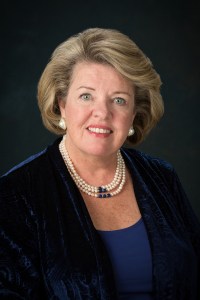
Janet Porter

Subscribe

Apple Podcasts | CastBox | Google Podcasts | Pocket Casts | RadioPublic | Spotify | Stitcher | TuneIn

Follow

Facebookhttps://www.facebook.com/aginginplacepodcastcom/

Instagramhttps://www.instagram.com/aginginplacepodcastcom/

Twitterhttps://twitter.com/aging_podcast

Resources

Disclosure: Links below to other sites may be affiliate links that generate us a small commission at no extra cost to you.

Conversation Project

Five Wishes

Sponsors

Lynes on Design

Takeaways

Open a dialogue and invite a conversation about aging in place end of life. It may be difficult to open that conversation, but it sounds to me like the rewards are exponential.  What is palliative care? How death with dignity and having a quality of life is the most important thing.

Transcript

Debi Lynes:                   00:03                Hi and welcome to aging in place for every stage in life. What if you could visit or have a home that would accommodate anyone at any age, any physical ability at any time? How cool would that be? That’s what we’re doing here at aging in place. Why me? Because I’m a doctor of psychology and I specialize in physical spaces in health and wellness. Also, I love designing with intent at any age. Why now? Because we the baby boomers want to age in place gracefully and we want our families around us as much as we can and why you the audience? Because we want you to experience what it’s like to have a home that’s safe, aesthetically pleasing, and that you can live in at any age with any ability at any time. I’d like to introduce you now to Aging in Place Podcast for every stage in life.

Debi Lynes:                   01:05                Hi and welcome to aging in place for any stage in life. I am here today with my friend Janet Porter. I am thrilled to have you here with us. I would like before we even began to chat about palliative care and everything we’re going to talk about for you to share a bit about your history. It’s fascinating.

Janet Porter:                 01:23                Sure, Debi, thank you for inviting me. I am a hospital administrator by background. I had a guidance counselor in college tell me “you should be a hospital administrator”. And that’s what I’ve been most recently. I was at Dana-Farber Cancer Institute in Boston, but I’ve also been passionate about leadership development throughout my career. So I’ve spent a lot of time as a faculty member at a lot of universities teaching leadership development and I’m most recently been very involved in governance. So I’ve been on the board of AARP.  I’m on the board of trustees at Ohio State and relative to today’s topic, I chair the hospice board, hospice care of the low country and Hilton Head because I’ve been very passionate, not only about leadership development, but about end of life throughout my career.

Debi Lynes:                   02:11                Well, you know, talking about aging in place at any stage in life, I think we often have a misconception that that is really about older people dying at home. I think the goal for this podcast is to really help people understand what it’s like to be able to have anyone at any time come into your home and feel comfortable. And I think it’s really interesting to talk to you today about palliative care, what it is and really about what it’s like at the end of life to age in place and specific things we may need.

Janet Porter:                 02:42                Okay.

Debi Lynes:                   02:43                So let’s get started and talk a little bit first about what palliative care is.

Janet Porter:                 02:48                Sure. Palliative care is a specialty in medicine, just like becoming a radiologist or an emergency room physician. And you actually get board certified in palliative medicine and it’s really physicians who oftentimes have all different types of backgrounds. They might be a pediatrician, they might be an internist, they might be a radiologist, they might be a nephrologist, but they’re often dealing with complicated patients and end of life patients. So palliative care doctors learn the process of really symptom management and managing the complex illness of patients and they’re often brought in as a referral at end of life because they’re usually very expert at also having the tough conversations.

Debi Lynes:                   03:30                It’s really interesting when you’re talking about it. When I think of palliative care, I think of end of life, no more active treatment interventions and it’s more about quality and comfort. What was interesting about what you said is also complex cases, so not just end of life.

Janet Porter:                 03:49                Right. So we have patients who get referred because of complex medical problems. They might have GI problems, they might have, you know, serious arthritis. They might have lots of different complicated problems. A lot of contraindication with medicine, met various prescriptions. Sure. And they’ll get referred to a palliative care physician to help them manage the complex care and all their symptom management and may be with that patient for years. It is true that a lot of doctors who specialize in end of life care had been trained in palliative medicine. I’m a faculty member in Harvard’s leadership program in palliative medicine and those physicians in that program and nurses and others come from a whole variety of backgrounds, but at their heart really want to help people die with dignity at end of life.

Debi Lynes:                   04:37                So let’s bring that back to the aging in place in your home. Why is that so important to remain at home?

Janet Porter:                 04:45                Well, you know, one of the things that surprised me because my parents were not like this when I joined the board of AARP, is how, what, how many people want to age in place, aging in place and dying in place is the strong preference. 85 90 95% of people do not want to leave their home. And so this is a really relevant topic because people not only live a fully.

Debi Lynes:                   05:11                Correct.

Janet Porter:                 05:11                In their home as long as possible, but oftentimes, I mean, mostly patients want to die at home. Also.

Debi Lynes:                   05:17                Let me ask you a question. Is this a United States thing where we want to stay? Well, where we typically have older people go to facilities or nursing homes as opposed to multi generational living?

Janet Porter:                 05:31                Well as you know, other cultures are in other countries are often much more respectful of elderly elders and honor them and want to honor their wishes and do have multi generational support with families living.

Debi Lynes:                   05:46                Yeah exactly.

Janet Porter:                 05:46                Close to each other. United States is so large and people are so young. People are so scattered now.

Debi Lynes:                   05:52                True.

Janet Porter:                 05:52                That it’s very unlikely they’re living close to their elderly parents.

Debi Lynes:                   05:56                But with that mind, I think as a baby boomer, someone who’s over 50, I’m not so gracious about being transported to a facility. I think I’m going to really, I want to know more about this. I want to know how to age in place. I want to know today at 60 or 66 how to create a home that I can age gracefully and, or die with quality. And I want my kids to create a home for me that I can visit.

Janet Porter:                 06:26                Yes.

Debi Lynes:                   06:26                And stay engaged and involved. So it’s really back to everything you’re talking about.

Janet Porter:                 06:32                Yes you know, it takes me back to my grandfather who was about 70 years old and in, in a little town called Verona, Pennsylvania. And he said he was having heart trouble and I, when the ambulance came, he was like, I’m not leaving my home. You know, I am fine here. I’m out. And he handed the car tech and died in the ambulance, but he was, he didn’t want it. He was walking down those stairs and he wasn’t going on a gurney, you know, and so many of us, that’s, that’s, that’s what place we found safe. And hospitals are, you know, oftentimes challenging places in terms of infection rates and errors. And so say home is a safe, safer place a lot of times.

Debi Lynes:                   07:10                it is a safer place. One of the things we talk about on the podcast a lot is how to create that safer place from a being on the board of AARP, number one and number two, just having an end of life interest, passion and specialty. What are some things that you can think about that are just easy ways to make your home more visitable?

Janet Porter:                 07:32                Well, the first thing of course, is to live on one story. I mean that’s the most surprising thing to me is the number of people that I know who choose to live in homes that have many stairs to.

Debi Lynes:                   07:44                Show up.

Janet Porter:                 07:44                Which is very difficult. So either being on a one story house or a one story house that has a bedroom so that you can be on one floor is the major thing because it’s the biggest obstacle to people being able to stay in their homes is stairs.

Debi Lynes:                   07:59                Okay.

Janet Porter:                 07:59                Either stairs coming into the house or a second or third story.

Debi Lynes:                   08:02                Let me ask you a question about going back to palliative care for just a moment and ask at what point do do palliative care physicians or even the process of palliative care come into play? In other words, as a patient who has a chronic disease, at what point would I perhaps call in a palliative care physician.

Janet Porter:                 08:25                At any point you can ask your physician, your primary care physician, just like you could ask to go to see an orthopod or an ophthalmologist.

Debi Lynes:                   08:35                Sure, sure.

Janet Porter:                 08:36                Or you can say, my symptoms are so complex and require such management, I’d like to be a referral to a palliative care physician. Unfortunately, we don’t have a lot of them around the United States. The big cities have them, but it’s tough to find outpatient palliative care. We’re getting in terms of producing more people who have this interest, but it’s tough to get them when you’re an inpatient. It usually happens because the family insists we’d really like to talk to a palliative care doctor. And that oftentimes then leads to the tough conversations about what really mom or daughter or sister wants at end of life.

Debi Lynes:                   09:14                And I think that those are the two questions I want is what does palliative care really look like, number one. And then we’ll take a break. What does it look like and then come back. And I think during the second segment, I’d love to talk about, having tough conversations.

Janet Porter:                 09:30                Okay.

Debi Lynes:                   09:30                So let’s talk first about what palliative care looks like to the patient.

Janet Porter:                 09:34                To the patient who let’s say a patient is an inpatient and the family says we’d really like a palliative care consult that involves a physician who’s understanding the full scope of illness of the patient and what the treatment plan has been, but is also really focused on symptom management and what symptoms are they trying to get under control, whether it’s end of life or not. It’s oftentimes the symptom management that’s critical to get the patient home, which is where they want to be. So palliative care can be helpful with the symptom management so that the patient can go home and then home care or if it’s end of life, hospice care can care for them, but have palliative care. Also good at having the conversation.

Debi Lynes:                   10:14                Exactly.

Janet Porter:                 10:14                Tough conversation with the family at end of life.

Debi Lynes:                   10:19                We’re going to have a take a quick break. We’re going to come back and I’d like to talk about what those tough conversations look like, how we begin to have them. And then I’m also very interested in the component pieces of those conversations. What just popped into my mind was what about do not resuscitate? What about who is the executor of my estate? I’m thinking all at once. Things that my mind is like too much to comprehend. So stay with this. We’ll be right back here on aging in place.

Debi Lynes:                   10:50                Hi, I’m Dr. Debi Lynes design elements are psychologically and physically supportive and conducive to health and wellness. To learn more about what Lynes on Design can do for you, for more information on certified aging in place and facilitative and supportive design, look for us at lynesondesign.com. That’s L-Y-N-E-S on design dot com.

Debi Lynes:                   11:16                We are back here on the Aging in Place Podcast for any stage in life. I’m here again with Janet Porter and we’re talking, we’re somewhat all over the board, but the focus is on palliative care and that has sort of morphed in and something that you’ve taught me in preparing you and I talked about this at lunch one day about asking the tough questions, having to tough conversations. So I’m going to turn this over to you. This is pretty interesting.

Janet Porter:                 11:42                Well, in the United States…

Debi Lynes:                   11:47                Okay.

Janet Porter:                 11:47                The legal field has legalized dying, which is then you really declaring where want your assets to go. People understanding where to where do your assets go through a will through other documents. But the other thing that’s happened is the medical establishment has medicalized dying has made it about what procedures you do or do not want. Do you want to feed into it? Do you want to be put on a ventilator. What do you want to do if you’re in a vegetative state. And while those things are important, and we’ll talk about the documents you need for both of those, that’s important. The truth of the matter is what we want when a loved one is dying is we want to honor their wishes. And that is, that does not just mean whether they want a feeding tube or where they want their, you know, precious, you know, figurines. But instead is knowing not what’s the matter with you grandma, but what matters to you.

Debi Lynes:                   12:42                Wow.

Janet Porter:                 12:42                And it’s about having that conversation about what matters to a 19 year old and 89 year old. That is really important because what we want to do is honor what matters and.

Debi Lynes:                   12:54                How do you even begin that conversation.

Janet Porter:                 12:55                Well actually there’s a great resource. It’s called the conversation project conversation project.org very easy to find.

Debi Lynes:                   13:05                Perfect.

Janet Porter:                 13:05                On the web. And Debi, they have toolkits that are little, little forms that you can go through where you reflect on the conversation you want to have with your spouse or your 19 year old son is not road riding around without a motorcycle helmet on.

Debi Lynes:                   13:20                Right exactly.

Janet Porter:                 13:20                Yeah and that document, that little toolkit kind of walks you through how to prepare for that conversation. When do you want to have it? Who do you want to be there? What questions do you wanna ask, etcetera. You know, the conversation project has done a lot of research on this and 92% of people say if they were seriously ill, they would want to have a conversation with their doctor about their wishes. 32% have chosen to do that. But more importantly, 80% of people say that if they were seriously ill, they would want their loved ones to know what their wishes were. 18% of people who’ve seriously ill have done that. I mean the statistics are overwhelming. The 21% of people say they’d like to talk to a loved one about what they want, whether they’re healthy or what, and yet they haven’t done it.

Debi Lynes:                   14:05                Is it fear, blame, shame, embarrassment, fear?

Janet Porter:                 14:08                You know what you remember Dr. Ruth?

Debi Lynes:                   14:11                Okay, Oh my goodness.

Janet Porter:                 14:12                Yeah, yeah.

Debi Lynes:                   14:14                I like her.

Janet Porter:                 14:14                Yes exactly. So you know, we couldn’t say the word orgasm on television until.

Debi Lynes:                   14:18                Exactly.

Janet Porter:                 14:18                Dr. Ruth came along.

Debi Lynes:                   14:19                I still remember that.

Janet Porter:                 14:22                Little German woman saying that she, you know, talking about words that we’d never used before on television. Well, I kinda think we need a Dr. Ruth of death. You know, because talking about sex was a taboo subject.

Debi Lynes:                   14:36                Correct.

Janet Porter:                 14:36                It’s much less taboo now because of her and others. And death is a taboo subject. It’s not something people feel comfortable talking about.

Debi Lynes:                   14:45                Which is ironic that you say that because I’ve got nine grandchildren. I was 10 and my little five and six year. When they’re in the back seat, they’re always talking, what does heaven look like?

Janet Porter:                 14:55                Are they?

Debi Lynes:                   14:55                What is it they feel like, well they lost a dog. What does that feel like? And it’s really interesting to listen to them be so open to the circle of life kind of.

Janet Porter:                 15:06                Yes.

Debi Lynes:                   15:06                Where we as adults are like, Oh my gosh, we’re trying to protect you. We don’t want to talk about things that aren’t wonderful and you know, rainbows and butterflies.

Janet Porter:                 15:14                Exactly, exactly. When I do, when I do presentations on this, I say to sometimes to college audiences, I’ll say, I’m going to talk to you about my sex life, and they all like sit up and feel uncomfortable and have butterflies in their stomach. I said, okay, I’m not really going to talk to about my sex life, but I’m going to talk about personal financial planning. And they’re like, they’re like, what? I said, you know what? You would feel equally uncomfortable if I talked about sex.

Debi Lynes:                   15:37                That’s right.

Janet Porter:                 15:38                If I talked about dying or if I talked about personal finance, how much I was net worth because we have these cultural taboos against topics that it’s okay, I don’t know about you but I don’t have any idea what my best friend makes or what.

Debi Lynes:                   15:50                I don’t neither.

Janet Porter:                 15:50                Not. A, we don’t talk about it and we don’t talk about death. We don’t talk about end of life and what’s important to us. And, and you know, what’s important to people in terms of their wishes is things like I want to reconcile with my brother. I want to know what’s gonna happen to my cats, who’s going to take care of my garden. I mean knowing those things about what’s really what matters to people and what would give them solace if they could resolve before the end of life is really important gift. We want to give those we love.

Debi Lynes:                   16:21                And it is a gift. When my mom died last August, we found in one of her calendars from 2004 every year she had written, we had no idea she had written, if she died, you know what she wanted. And to your point, not her assets, but what song she wanted played. She did not want a picture in her just over and every year she’d cross it out and change it or adapt it and then initial it.

Janet Porter:                 16:53                Yeah, Yeah, you don’t want my mom, my mom’s was what the color of the tablecloths were going to be.

Debi Lynes:                   16:59                Love her. I like that, I get that. And the colors change year to year, but at least we knew it. End of life, which color she wanted. So we’re talking about a taboo subject. Do you and I right now with humor.

Janet Porter:                 17:13                Okay.

Debi Lynes:                   17:13                With serious subject. But there’s a lot of beauty to it.

Janet Porter:                 17:18                There is, you know the, the thing I read a recent, [inaudible] article written by BJ Miller, who’s a national expert tie to palliative care doctors, a national expert in essence, the interviewer asked him, you know, what the experience was like at end of life. And he talked about how many people that he’d gone through the death process with who were really relieved and felt solace that issues had been resolved, that were, that were bothersome to them. So, it’s really an important thing for us to make sure that people live fully the end of life and then die at peace. And I would think of it.

Debi Lynes:                   17:52                And what does that mean? I hear that a lot die. The quality of life and death with dignity. I hear that from hospice a lot. What does that look like? Is it just encompassing everything that we’re talking about? And then what?

Janet Porter:                 18:04                I would say the number one thing is it looks like a lot of listening. It looks like really listening to the patient and the family in terms of what matters to them and honoring that. And hospices across the country are expert at that. They’re expert at really going in and helping not just the patient, but the patient and family deal with this major life transition. You know, Debi, that we’re all gonna face. And what I say to people is giving the gift of the conversation to people is a wonderful thing. When my mother passed away, she had had a serious stroke and I had three sisters and she was in the hospital and my mother had been very clear about what her wishes were and we got on the phone one day, they were doing all this stuff in the hospital and I knew she was really in bad shape and we got up one phone call on the with a palliative care physician and in an hour the palliative care physician said to us, are you clear about what your mom wants? We said, absolutely. And they said, then you need to honor her wishes, whatever. That if we took her off all medication, we took her out of the hospital, we put in our hospice care. She ended up living in other full year, which was big surprising to us.

Debi Lynes:                   19:16                But alongside of that and kind of the underlying CMI here is four girls, right?

Janet Porter:                 19:23                Three girls,

Debi Lynes:                   19:24                Three girls. There were three girls and it was less about individual points of view about how to manage your mother. But the doctor basically said, you will take you and put you here. This is about your mom’s wishes.

Janet Porter:                 19:37                Yes.

Debi Lynes:                   19:37                So in some ways that helped avoid a lot of potential because we all, we all see through our own lens and have ideas of the way things should be for the people we love.

Janet Porter:                 19:49                You can’t ask anyone, what do you want an end of life and have the person to answer. I want my children to be fighting over what should be done.

Debi Lynes:                   19:57                Right.

Janet Porter:                 19:57                No one wants that. Right? And so how can your children do what you want if you don’t tell them and tell them together. Not just Susie, the oldest daughter, right. And leaving the boys out of the conversation, which happens, but in fact being clear about it both verbally with them and in writing so that they can then have unanimity about what’s the best thing for mom.

Debi Lynes:                   20:21                It’s so funny. Bernay Brown who is a psychologist and she’s really an inspiration. I was like clear is kind and I.

Janet Porter:                 20:29                Exactly.

Debi Lynes:                   20:29                Say, yeah, and this is the perfect place to do that. I know we’re going to take a quick break. We’ve got a couple of things to come back and talk about. We’re going to talk about some of the tools within those toolkits, paperwork, documents, things like that that will be helpful and I also would love to have you share an anecdote about your favorite book. I’ve been looking forward to this and I thought it would be a great way to exit the interview.

Janet Porter:                 20:50                Okay yes.

Debi Lynes:                   20:50                So stay with this will be right back here on aging in place.

Henrik de Gyor:             20:55                For more podcast episodes, links, information and media inquiries, please visit our website at aginginplacepodcast.com as we transition through life with the comfort and ease you deserve. Discover how you can create a home that will adapt to you as you journey through life and the changes it will bring. Please follow us on Facebook, Twitter, and Instagram as our host Debi Lynes and her expert guests discuss relevant topics to creating a home for all decades in life. Don’t miss our weekly episodes of Aging in Place Podcast for every stage in life.

Debi Lynes:                   21:32                We are back here on aging in place. Again, we’re here with Janet Porter and we are talking about aging in place. We are talking about palliative care. We are talking about having an end of life discussion. And what resonated with me was what I think you probably see all the time. You’ve got the emotional one, you’ve got the stoic matter of fact buttoned up. Here’s my list, here’s what you want to do. And everyone is so different. How do you guide someone through this process?

Janet Porter:                 22:01                Well, that’s one of the reasons that hospice care and palliative care physicians are so important because it’s all about listening, but it’s about helping those disparate opinions come together and reach consensus and it’s very tough. And you know, it’s emotional for people. Some people are more pragmatic and thinkers. Some people are in denial. What’s sad is the number of people who report that they brought it up a couple of times with their children or their spouse. This is what, I don’t want to talk about it. I don’t want to talk about it. Oh my goodness. There’s nothing worse you can do when somebody is ready to talk about what they want an end of life than to shut them down. It’s been, they’ve probably thought about it a lot before they’ve come to you. Right? And so being open, emotionally open to recognizing and you might not be the first time and then you’ll go back and think about it. But when a loved one is ready to have the conversation, the gift you could give them is to be there and really listen with an open heart. Some of the data is that 53% of people say they would be incredibly relieved to be able to have the conversation but have been blocked from doing so. 95% of people at end of life say they’re willing to have the conversation that maybe somebody else has to bring it up. So you know, if mom or dad doesn’t bring it up and you think it’s time, you need to figure out a way to bring it up. And that’s why the conversation project again, conversation project.org is such a great tool. They have tools, they have tool kits for dealing with people with dementia. Because imagine how complicated it is when you, not only a degree, but you really can’t. It’s too late to have the conversation with mom. I mean imagine how tough that is.

Debi Lynes:                   23:39                Yeah, I never thought about that.

Janet Porter:                 23:41                Oh yeah, they have a car, they have a tool kit for dealing with children, walking children through about what they want and, and they have one for adults so they have different toolkits based on the situation.

Debi Lynes:                   23:51                If you could just give us an overview of documents or people that you would like to see involved in the team. Okay. As we have a chronic illness that we need to manage or where at the end of life is there a team you would put together?

Janet Porter:                 24:07                Well let’s, let’s say, let me ask you answer the question about documents cause you mentioned documents. There’s another resource I’d like the audience to have. It’s called a Five Wishes, five wishes.org. And it walks you through the five wishes as to what my mom and dad or brother or sister or anybody would want. and prepares you for that conversation. And it’s a document that’s legally accepted as a will in for something like 42 States. So five wishes. It’s downloadable right from the internet. It’s not complicated and expensive and so people say, well, what prohibits them as, they don’t want to go to a lawyer and spend $500 or a thousand.

Debi Lynes:                   24:45                Right.

Janet Porter:                 24:46                It’s right there available on the web for you to clarify your wit, your medical wishes, your legal wishes and other wishes that you would have an end of life.

Debi Lynes:                   24:54                Oh, that’s huge. Five Wishes. I think we’re all going to be on that immediately. What stage? Let’s, let’s go back to the, the palliative piece for chronic illness. Okay. Is that really more about how to keep a person safe and healthy at home with symptom management and what does that look like?

Janet Porter:                 25:13                Mmm. Yes. I would say that’s a good description. It’s about helping them to manage their symptoms so that they can live life as fully as possible. Because after all, what we want people is to live fully until they die. And we have incredible stories of people who in their last year of life or six months of life have done incredible things. I think I’ve mentioned to you that my favorite book is this book Driving Miss Norma.

Debi Lynes:                   25:38                This is what I’m dying to hear.

Janet Porter:                 25:40                And I give it to everybody. I should’ve brought it today. I gave it to you that right.

Debi Lynes:                   25:46                I loved it. I read it.

Janet Porter:                 25:47                So Driving Ms Norma is a memoir and it’s by Tim and Ramy who are a couple who went to Michigan one year. They were living in the Airstream trailer kind of nomads and they go to Michigan and Tim’s father dies and mom is diagnosed right away with cancer. Mom is 90 years old and they say, mom, you can can’t stay in the house by yourself. We can put you in skilled nursing here, here in Pennsylvania with, or you could hit the road with us. And the next day when they go to the doctor, that doctor outlines the whole treatment plan for cancers, all these drugs and radiation and Miss Norma, what do you want? She said, hell, I’m 90 years old. I’m hitting in the road. And she wanted to go see Mount Rushmore and she wanted to go to New Mexico. They took her all over the United States. She had all kinds of adventures. I recently, I’ve done a lot of speaking on this and I had a physician that group, right. Not everybody’s going to have a big adventure at end of life. And I thought the messages in the book, I’m not about.

Debi Lynes:                   26:45                What are the themes?

Janet Porter:                 26:46                Well, the first theme I think is too is that people have a lot of life in them at every age and, and that you should honor their people’s wishes in terms of what they want. And she wanted to hit the road. So they had supported her hitting the road. There’s a lot of messages in there about how kind and open Americans were as they traveled around the country in terms of, because of the social media buzz she got, they opened their hearts. We’re here in Hilton Head and you know, when she, they ended up coming here, they ended up making her and putting her in the parade. She was in a car on the parade.

Debi Lynes:                   27:19                Oh, I love it.

Janet Porter:                 27:21                So, so that’s one of the major themes. And the major theme is about having the conversation with people about what you want. Major theme about hospice care. So the book is really a powerful testimony, I think. And I think also sparks the conversation. So if you want to have a conversation with somebody about end of life, give them the book, let them read it. It’s only a couple hundred pages. It’s a great story. And you can say, and what would be important to you, let’s say it’s your best friend who you’re worried about. What would be important to you and what can I do to help make that possible? There’s a, another book called being mortal, highly recommend.

Debi Lynes:                   27:56                I read that about three or four years ago and I thought that was one of the most powerful books and I was resistant to it. And even being a psychologist, I don’t know why, I just didn’t really want, I don’t know. It was one of the best books I’ve ever read.

Janet Porter:                 28:09                Yes.

Debi Lynes:                   28:09                And how would you describe the theme of that?

Janet Porter:                 28:12                Well, a tool. Gawande is a Harvard physician.

Debi Lynes:                   28:14                Right.

Janet Porter:                 28:14                I know him. He practiced at the hospital where I worked really good. He’s a thyroid cancer surgeon and he basically tells the book through this, through the story of his father who was a physician in Athens, Ohio and he comes home and realizes that his father really has terminal medical conditions and he then goes on to describe in the book what that was like for him personally and also shares a lot of story of his own patients. The PBS special about that, which I thought was terrific, an hour long special. What I thought was tragic and that at one point they had a woman who they were having the conversation with her about that this was the ad and she was sitting up in bed and she said, doc, all I want before I die is to take my children to Disneyland. And she died five days later. You know, and you think about if they had had that conversation with her about six months earlier, maybe she’d been able to do that. And think about what lasting memories that would have given to those grandchildren of their grandmother.

Debi Lynes:                   29:12                Who typically in today’s culture and society brings up the, the death or dying, end of life conversation based on your experience?

Janet Porter:                 29:23                Well, surprisingly it’s oftentimes not the patient, you know, patients, I worked at a cancer hospital for years and the vast majority of patients listen to what the doctor recommends and don’t really ask and what will be the quality of my life, what the, what’s my prognosis? And oftentimes take patients on a cancer journey a long time because the doctors very much want to keep them alive and are very hopeful about the treatments and you don’t want to take away people’s hope. And so people are often reluctant, both patients and family members are reluctant to say, tell me really what the prognosis is.

Debi Lynes:                   29:56                And that’s not saying you have three months to live. That’s just simply being realistic.

Janet Porter:                 30:01                Right, right.

Debi Lynes:                   30:01                When you talk about a prognosis.

Janet Porter:                 30:04                Right, right. I had a friend who came to Dana Farber cancer Institute and they’d been told, they’d been told at another cancer center that they couldn’t do anything else and they wouldn’t give them any prognosis. And he said, I want you to know I have grandchildren.

Debi Lynes:                   30:18                That’s right.

Janet Porter:                 30:18                I want you to know. And they said, if you stop all treatment, you’ll live six months. If you stay on standard chemo and we think you’ll live a year, but we’ve got a clinical trial for you that we think will extend your life beyond that. And when I went to dinner with them, they were so relieved and they had decided to do the clinical trial. He lived two and a half years and what he wanted was his grandchildren to remember him and he was so pleased with, by the time someone says, I want to know my prognosis he wants to know.

Debi Lynes:                   30:48                What exactly. That’s not the first thing you ask when you’re diagnosed. That’s when you’ve run through a lot of the treatment options.

Janet Porter:                 30:53                That’s right.

Debi Lynes:                   30:54                I think it’s absolutely fascinating. You don’t realize how interesting the hell in the whole conversation is. And I think bringing it up, demystifying it, and having an open dialogue like this. Oh, I’d like to invite everyone who’s listening to, talk to one of your loved ones. I think it’s a pretty powerful discussion.

Janet Porter:                 31:12                Unfortunately, we sort of have a myth that we think doctors are really good at this and doctors are taught to save your life. And so the training that doctors get to really have these tough conversations is modest at best. And it’s not something they’re human beings.

Debi Lynes:                   31:31                Sure.

Janet Porter:                 31:31                People feel confident, uncomfortable talking about it. Doctors are human beings. They feel uncomfortable too. That’s why you need to ask the right questions for your loved ones and B, get potentially access to these resources and really think about what you can do to honor your loved one’s wishes at end of life. I also want to tell you that my mother was in hospice care and her mother-in-law had died on Christmas day when my dad was 16. And my mother felt really passionate about the fact that you should not die on Christmas day. So we had a minister who was coming to sing with her cams Oh irregularly. And he came to see her on December 22nd and said, Myrna, what do you want to sing? And for the first time ever she said, I want to sing. I’ll be home for Christmas. And they sang the last song they sang together was I’ll be home for Christmas. And she went into a comment and she died on Christmas Eve. And what I said to people is my mother was very religious and so she wanted to sing. I’ll be home for Christmas. And she was and hospice care and Joe rock, the pastor who was caring for him gave her that final moment. And I’m so grateful.

Debi Lynes:                   32:42                It has been an amazing conversation and we thank you all for participating with us in that Janet, especially you. Thank you all for joining us here on aging in place at any stage in life.

Debi Lynes:                   32:53                I’d like to introduce you to a friend of mine, Tracy. Tracy is naturally curious and always creative. And when we were doing the Aging in Place Podcast, she said, there are so many quick tips that I can think of off-hand. My response? Who knew! She’s going to be with us every week, giving us a quick tip and a hint. That is a practical application.

Tracy Snelling:              33:23                Thanks, Debi. Surround yourself with needs and not one. Sometimes our areas can get a little messy and organization goes a long way. An organized space helps you move more freely. We tell our children to pick up their toys, but yet we keep a stack of magazines next to the couch. Play a game along with your kids. Have them walk around the house with you and let them tell you what you need to pick up or even better. Get rid of it. We get so comfortable with our things be nearby that we actually lose sight of them. I only need one pencil sitting on my desk so the other nine can go in a drawer. Who knew our children can be great organizers of our things.

Debi Lynes:                   34:08                Hi, I’m Dr. Debi Lynes and thank you for listening to aging in place for any stage in life. We would like to ask you all to give us a review. Of course, preferably five stars. Thank you again and we hope you enjoyed aging in place for any stage in life. Janet Porter, what an amazing interview and talk about takeaway that you actually can take away and use. First of all, the most important thing I think that Janet taught us today was open a dialogue and invite a conversation about aging in place, end of life. It may be difficult to open that conversation but it sounds to me like the rewards are exponential. Additionally, what I learned and I think many of you also learned is what palliative care and how death with dignity and having a quality of life is the most important thing. Thank you all for joining us here on aging in place for any stage in life.

Henrik de Gyor:             35:09                Aging in Place Podcast is hosted by Debi Lynes and produced by Henrik de Gyor. If you have any comments or questions, send an email to debi@aginginplacepodcast.com we would love to hear from you if you’re interested in advertising or sponsoring this podcast, email us at pr@aginginplacepodcast.com thank you for listening to aging in place podcast.

8. Ryan Herd

Dr. Debi Lynes interviews Ryan Herd of Caregiver Smart Solutions about using sensors for any stage in life on Aging in Place Podcast

(duration: 33 minutes)

Ryan Herd


Subscribe

Apple Podcasts | CastBox | Google Podcasts | Pocket Casts | RadioPublic | Spotify | Stitcher | TuneIn

Follow

Facebookhttps://www.facebook.com/aginginplacepodcastcom/

Instagramhttps://www.instagram.com/aginginplacepodcastcom/

Twitterhttps://twitter.com/aging_podcast

Resources

Disclosure: Links below to other sites may be affiliate links that generate us a small commission at no extra cost to you.

Caregiver Smart Solutions

CES Showstopper award winner

Plastic shot cups

Takeaways

It’s all about sensors.

Sponsors

Lynes on Design

Transcript

Debi Lynes:                   00:03                Hi and welcome to aging in place for every stage in life. What if you could visit or have a home that would accommodate anyone at any age, any physical ability at any time? How cool would that be? That’s what we’re doing here at aging in place. Why me? Because I’m a doctor of psychology and I specialize in physical spaces in Health and wellness. Also, I love designing with intent at any age. Why now? Because we the baby boomers want to age in place gracefully and we want our families around us as much as we can. And why you the audience? Because we want you to experience what it’s like to have a home that’s safe, aesthetically pleasing, and that you can live in at any age with any ability at any time. I’d like to introduce you now to Aging in Place Podcast for every stage in life.

Debi Lynes:                  01:03                Hi, I’m Dr. Debi Lynes and welcome to the Aging in Place Podcast. I am here today with Ryan Herd and I’m very excited to have you today straight from the CES conference in Las Vegas. Ryan, I’m thrilled to be able to talk with you and I’d like to learn a little bit about your background, number one, number two about the CES conference and number three, I think it congratulations are in order.

Ryan Herd:                    01:31                Hey Dr. Debi. Well, thank you for having us on. I really appreciate it. So, let’s start by unpacking those questions. Who am I? I’m actually Ryan Herd. I’m known as the smart guy. I’ve been in smart tech and IOT for 29 years. I literally wrote the book on it called Join the Smart Home Revolution and I’ve been in the tech industry for all my life. I’m a techie. I kind of love this stuff.

Debi Lynes:                   01:57                Did you get into that? How did you get into that area of being known as? I like it. I’m known as the smart guy.

Ryan Herd:                    02:03                Yeah, Ryan Herd the smart guy because I wrote the book. So I wrote the book called Join the Smart Home Revolution and it was really to fix or answer that fundamental question, which is what is smart home and how can it help me as a human? You know, the one issue with the technology industry is where you make a lot of widgets and gadgets, but how can I actually help me as a human? So I started to answer that question and because of that I’ve also worked with some of the top companies like Sony and really group would just call a banker and home advisor. I helped them start up their smart home division. So yeah. And I also had a integration firm called the one sound choice. And what we did is smart technology for high net worth, high profile individuals all over the US.

Debi Lynes:                   02:50                And you know, I want to get right into it. I still want to go back and talk a little bit about your kids and your life because it’s pretty fascinating. You have, it sounds like you have a nice self-care and a nice balanced life. But to get right to the point, one of the things that intrigued me when I first talked to you, and because I’m older and I’m very, yeah, there you go. A grandmother of nine and most 10. I’m really curious when it comes to aging in place and the home. The more research I do and the more data I have gathered, the more I realize that a lot of the products that are for aging adults if you will, or people who have special needs acute illnesses aren’t really user-friendly. And it was so fun for me to talk to you because that was the first thing out of your mouth is oftentimes people who manufacturer these things don’t really think in terms of universal designer humans.

Ryan Herd:                    03:47                That’s the big problem. And, and I don’t mean to beat up on anybody. Again, I’m a techie. I love technology. I just got back from CES and that’s the Superbowl of technology. Now with that said, I’ve been spending a lot of time out in Silicon Valley as well as over here in New York and NGIT and there’s a lot of really smart people. I mean they are doing amazing things and they’re building and designing things that are going to be incredible for when I get older. Where they lack is they don’t understand the consumer or the person that’s going to use it. Today. For example, when we’re talking about let’s say the greatest generation people that are approaching a hundred years old, you know, 19, 28 and older is when they were born. You know, they’re technologically adverse. It’s all about, they don’t want to be spied on. It’s their belief system is, you know, we are going to meet somebody, we’re going to get married, we’re going to buy a house, we’re going to have kids. We’re going to live in that house. We’re going to die in that house. And we’re never ever, ever going to be a burden to anybody else. So that’s what we do see, is there’s people that are trying to just take all these smart home gadgets and put it in mom’s house, but mom doesn’t need a smart lock. She doesn’t need a smart thermostat. She doesn’t need a alarm. What she needs is to know that somebody’s got their back.

Debi Lynes:                   05:05                And you know that. It’s really funny because my mom and dad moved in three years ago. We lost my mom, but my dad’s 91 92 and it’s exactly what you say is true. They want their life to be the same as it always has been, but they have so many more restrictions now. And I also think for my dad, at least, he doesn’t want to feel special. He doesn’t want to feel like he’s a burden on anyone.

Ryan Herd:                    05:31                Right, right.

Debi Lynes:                   05:31                He wants to be as independent as he can. So what does that mean in terms of technology?

Ryan Herd:                    05:40                Well, independence, you said it right. So let’s think about it. Remember when you got your first car and you were independent for the first time you left home, this was the first time you’re able to be on your own. Nobody was next to you. You know, we’ve been craving it. We finally got it. Now you’re not going to give that up, right? You want your independence for as long as possible. And that’s why what we’ve seen is those that are 65 and older, more than 85% of them want to live at home alone and independent. So the question is how do we as caregivers, how do we enable that? How do we give them the ability to be independent, live at home, and yet reduce our stress. Because being a caregiver, it’s, it’s stressful, it’s time-consuming and it’s isolating.

Debi Lynes:                   06:24                Yes it is.

Ryan Herd:                    06:26                So we’ve done, the new company I have called Caregiver Smart Solutions is just that. We’re answering that fundamental question, which is how are they doing, right? We’re enabling your loved one to live home longer while reducing your stress because as I said before, being a caregiver, it’s stressful, time-consuming and isolating. So let me tell you what we’re not, we’re not a camera, right?

Debi Lynes:                   06:49                Okay.

Ryan Herd:                    06:49                Because cameras are invasive. You don’t want a camera in your home. I don’t want it in my home.

Debi Lynes:                   06:53                My dad, Well what’s funny about that is my dad has flat out refused it, don’t be spying on me. not spying. I just want to make sure if you’re falling or you’re slipped or you can’t do this or that, that you’re covered.

Ryan Herd:                    07:04                Exactly. That’s actually the first thing I did when my father had cancer. I put a camera in and he put a dish towel right over it. So that wasn’t gonna work. So the second thing that we’re not, we’re not trying to change your loved one’s habit. I dunno. Have you ever tried to change the habit of an 80-year-old?

Debi Lynes:                   07:21                Yeah it’s not pretty.

Ryan Herd:                    07:23                I can’t even change my own habits, right? So that’s not going to happen. Number three, we’re not aware of it because the reality is, is they’re not wearing them. They’re not charging them up. And you have to understand, as I said before, there’s a psychological aspect. And what I mean by that is it’s like me going to my father Dad, do me a favor. I need you to wear this. And if something happens, you gotta push the button. Now here’s where psychology comes in. The reality is, is I’m working around, I’m dealing with my kids. I’m dealing with this. A video call. I have other meetings I have to take. I’m not thinking about end of life. 93-year-old grandma. You know what she is and now we’re taking this device and saying, if you have a problem, push the button. And she’s looking at that as the button of death. And you have to understand they don’t want that and we want to enable them, but we don’t want to bring that kind of stuff up. So how can we be proactive? And this is what we are caregiver’s smart solutions. We take tiny non-evasive sensors and we place them discretely around the home and what the sensors are monitoring is your loved ones’ habit because your habit is an indicator of your health. For example, if mom’s habit is that she gets up twice a night to go to the bathroom fine green check Mark. That’s what she always does. But if all of a sudden she starts getting up five times a night, three nights in a row, that’s definitely an issue. That’s something you want to know. And it could be a urinary tract infection. No, that’s just a little bit of what we do and we do so much more.

Debi Lynes:                   08:56                Talk to me a little bit about a, what is sensor? How does the sensor work? It Does it go in the corner of the room? Does it go in different rooms? What am I actually monitoring movement sound?

Ryan Herd:                    09:06                So there’s a couple of things that our sensors are doing in the baseline. We’re measuring movement, we’re measuring things like the refrigerator, we’re measuring the medicine cabinet, we’re measuring the time it takes mom to walk down the stairs. We’re measuring quality. How long has mom been sleeping? It’s really important to get, let’s say five to eight hours of sleep.

Debi Lynes:                   09:27                Correct.

Ryan Herd:                    09:27                She’s getting up once an hour, every single hour. That could be an issue now.

Debi Lynes:                   09:32                Was an issue for cognitive decline.

Ryan Herd:                    09:33                It’s an issue for that. And, and you know what? We’re facilitating the insights through the use of an app. You can see exactly what’s going on. And let’s say it’s that. And you see mom, your loved one got up once an hour for four hours straight. So now when you talk to mom, you can say, Hey, how’s everything doing? And what is she going to say? It’s fine. But now you can say, I saw that you were up a lot last night and it, you know, it might’ve just been a bad burrito. I don’t know.

Debi Lynes:                   10:01                How does it, how does it actually track? We’ve got about a minute in this segment. So how does it actually document and track? Is it actually formulating data? Is it a, is it journaling for me? Is it sending me a note or an email?

Ryan Herd:                    10:18                So what we’re doing from the fancy side is we’ve got a bunch of noninvasive sensors mounted throughout the house and what happens is we’re using something called machine learning. Think of that as a record button, so two to three we’re recording the habits, so now we have a baseline, we know how your loved one is doing, and then from there we add something called AI fancy technology and what AI is looking for is they’re looking for those things that are out of the ordinary. For example, if mom’s sleeping later or if mom is taking longer to get down the stairs or if mom is not drinking, making her coffee. All of these things are outside of what normal is.

Debi Lynes:                   11:00                All right, hold that thought. We’re going to take a quick, quick, quick break and I’m going to come right back and get into it again. We’re talking with Ryan Herd and I’m really excited. We’re talking about motion sensors. Stay with us. We’ll be right back.

Henrik de Gyor:             11:12                For more podcasts, episodes, links, information and media inquiries. Please visit our website at aginginplacepodcast.com as we transitioned through life with the comfort and ease you deserve, discover how you can create a home that will adapt to you as you journey through life and the changes it will bring. Please follow us on Facebook, Twitter, and Instagram as our host Debi Lynes and her expert guests discuss relevant topics to creating a home for all decades in life. Don’t miss our weekly episodes of aging in place. Podcast for every stage in life.

Debi Lynes:                   11:49                We are back here on aging and place. We’re talking with Ryan Herd, talking about motion sensors. More importantly, we’re talking about universal design. We’re talking about aging in place for absolutely every stage in life and I’ll tell you what’s interesting about this is although we’re talking about older adults at this point in time, one of the reasons I wanted to do the podcast, Ryan, is because it’s really something that’s important for families or folks at any age. I know my daughter has two young kids. And when I think about her having motion detectors, I think, or the sensors as you’re talking about, I think it would be an amazing opportunity.

Ryan Herd:                    12:29                And it’s interesting because as your daughter is right, so I’m 48, I’ve got three young boys and your daughter has, and they call us the sandwich generation, meaning, you know, we have our kids that we’re taking care of as well as we have our aging adults that were also worried and concerned about. So we’re sandwich tray in the middle of that.

Debi Lynes:                   12:47                It’s so very true. Being a psychologist, I do a lot with the sandwich generation. I started out with adolescent and now I’ve ended up with the geriatrics and I think we’re sitting right in the middle of them. So let’s go back and talk about these sensors and as far as the artificial intelligence piece of that, how this works again.

Ryan Herd:                    13:06                So the easiest way to explain it is, as I said, so we have two main things that go on. We’re using machine learning and again, think of that as the record button. So that’s going to record the habits over about two weeks’ time. And then we’re going to get a baseline. So for example, we’ll be able to know that mom is vacuuming every Wednesday because everyone says she’s going in and out of the rooms and we can see them [with sensors, not cameras]. Once we get that baseline, then we can add AI or artificial intelligence on top of that. So for example, let’s say, let’s say we’re talking about false. So envision a Cape Cod. So you have a two-floor house, a mom’s upstairs, she gets up in the morning, she goes to the bathroom. Now these are going to be triggering our sensors and she comes out of the bathroom, she goes walking down the hallway, triggers a sensor on the top of the hallway. We know that she takes about three and a half minutes to walk down the stairs. She’s going to trigger the sensor at the bottom of the stairs. Then she’s going to walk into the living room because that’s the next room. And then it goes into, she’s going to trigger that. Now it’s going to know what her typical timeframe is. How long it takes to get down those stairs. Now another scenario, let’s say she got up, she went to the bathroom, she got to the top of the stairs and now all of a sudden it’s four minutes, four and a half minutes, five minutes. And she hasn’t triggered this. The sensor on the bottom of the stairs where his mom, she’s probably laying in the middle of the stairs.

Debi Lynes:                   14:35                Or just we going to say she’s gotten dizzy. She’s fallen. Yes.

Ryan Herd:                    14:38                You take another scenario, she triggers a sensor at the top of the stairs but then triggers a sensor at the bottom of the stairs 30 seconds later and does not trigger the next sensor, which is living room. What happened? Mom probably rolled down the stairs. That’s the kind of power that we’re talking about [awareness] and that’s just on one thing. So let’s take it even farther. Let’s talk about dehydration. So technically the closed loop would be things like, I see mom open up the refrigerator. I see mom moving around. I see mom making coffee through the coffee pot and I see mom going to the bathroom [all with sensors, not cameras]. Well, that’s what you expect to happen.

Debi Lynes:                   15:13                Correct.

Ryan Herd:                    15:13                I’m going into the fridge, walking around, not going to the bathroom and not making coffee. That could because for concern over several days because that could mean that she’s dehydrated. Dehydration that precursor to a fall. And guess what? We don’t want our aging loved ones to fall. That’s the power of what we’re doing.

Debi Lynes:                   15:35                So how does this work from a practical point of view? Are you in the actual production? How does someone get this? What would be a fee schedule? It just makes so much sense.

Ryan Herd:                    15:49                So we have three different kits. I don’t know if you can see it.   

Debi Lynes:                   15:54                There you go.

Ryan Herd:                    15:54                At Caregiver Smart Solutions, what we do to make it easy for everybody is we made three different kits. We have the Basic kit, Deluxe kit, and Deluxe plus. Obviously, they can be found on our website which is caregiversmartsolutions.com. You can give us a call at (888) 585-5022. Now the easiest way to explain it is think of the basic kit. The scenario is we just got out of holiday, right? We had Thanksgiving, we had new year’s. So let’s say you saw grandma and this was the first time that you realize that grandma, you know she, she’s just not as snappy as she used to be and I’m not saying anything’s wrong with her, I’m just saying that.

Debi Lynes:                   16:34                No, no, no okay.

Ryan Herd:                    16:34                The first time that your concern you get the basic kit. All I want to know is the basics. Is she moving around? Is she eating, is she taking her meds and is she going to the bathroom? Just the basics. From there, we can go all the way to the deluxe plus kit, which then we’re monitoring obviously much more, many more things like doors. We’re also monitoring things like TV because if mom’s sitting in front of the TV for five and six hours, that’s like me saying, I need you to get up and run around the block. They shouldn’t be sedentary for that long. The coffee pot or tea kettle, we’re measuring sleep quality as well as fall detection, so on that, that is usually for somebody that maybe there’s been an event, maybe mom has already fallen or maybe you’re really concerned about your loved one. Maybe she’s got a bit of dementia.

Debi Lynes:                   17:28                Dementia.

Ryan Herd:                    17:28                What’s the most important thing when we’re talking about dementia? We’re talking about a did the door open up and b that you walk out of that door because that is the most important thing. Those are the kind of things you want to know.

Debi Lynes:                   17:43                Well, it’s really interesting to me because as a certified aging in place specialist of the things I think about all the time are when cost is no object. That’s one thing. Okay, I can hire full-time help, I can do this, I can do that. But I think for many of us within the sandwich generation, we don’t necessarily near-live near our loved ones. And I think that, you know, if there have been such a void in American for any kind of, I guess fixed in the middle, if you will.

Ryan Herd:                    18:14                Right.

Debi Lynes:                   18:14                And, and more importantly home-health and some of those things are almost cost-prohibitive. How do you all play with others in this area, if you will?

Ryan Herd:                    18:31                So think of us as a, we’re complimentary and we’re proactive. So every, all the technology in the market right now is reactive. It’s, I’ve fallen, I can’t get up. If something happens, push a button and we’re all waiting for impending doom.

Debi Lynes:                   18:44                Correct.

Ryan Herd:                    18:44                How about earlier? So we can start answering that question. As I said before, how are they doing now when we’re talking about in-home care, the least expensive that you can get into it for is twice a week, four hours a day, and that’s only covering eight hours at 25 bucks an hour. And that’s about $10,400 a year. It’s a lot of money. Now the problem is is there’s 168 hours in a week. So what happens that on 160 hours, what would the system like ours? You’re still getting all of the basic questions that you have answered and it could be as simple as how many times is mom going to the bathroom? How many times is she opening up the medicine cabinet at the refrigerator? Is she moving around? Those kinds of things. We’re also complimentary regardless of where mom is living. And what I mean by that is maybe it’s a house, maybe it’s a townhouse, a condo, maybe she’s in independent living, maybe she’s in assisted living because you have to remember in assisted living, if we have the opportunity to put our loved ones in an assisted living place and that’s a beautiful place, but their business model is that they are really an apartment building with a social aspect, right? They do have nurses on staff, but the responsibility is not to come in and check on mom all the time. Once mom goes into her apartment, once that door is closed, there’s now a black hole. So we facilitate you knowing how mom’s doing as well as the nurses’ aid station to know what’s going on.

Debi Lynes:                   20:15                One of the things that’s interesting psychologically is I know from my dad at least and for a lot of folks that I know and who have expressed concern with home health or bringing people in is they don’t want strangers in their home. I think, you know, for me it’s 60, I could care less bring him in. You know, somebody is helping me, I’m all over it. But I, but I understand that that’s a huge issue. And so this alleviates all of that. And I think the feeling of independence and autonomy is amazing. Do these run 24 hours?

Ryan Herd:                    20:48                They run 24 three 65 so 24 hours a day, seven days a week, 365 days a year. They’re always on. You can take a look at the app and see exactly how mom’s doing and if something’s a miss, you will know. So if something bad happens, we’re going to send that notification to you. So this way you can call up mom or we’re just going to facilitate that conversation. So here’s another scenario. Let’s say you have an in homemade, let’s call her. Sally is going over to mom’s house and then all of a sudden Sally calls you and says, you know what? I think we need more time in the house because I don’t think mom is eating as much cause she looks like she’s losing weight.

Debi Lynes:                   21:25                Got it.

Ryan Herd:                    21:25                Now you can live well back to our system and see exactly over time, what’s her average, how many times does she open up that refrigerator and if you see it trending down now you know that Sally is, you know, she’s honest. She’s telling the truth. I trust her. She’s absolutely correct. So it’s backing up with the in-home.

Debi Lynes:                   21:42                Well, it’s a check and balance. It makes so much sense. Ryan, we’re going to take another quick break and come right back. Once again, we’re talking to Ryan Herd. We’re talking about Caregiver Smart Solutions because he’s the smart guy, so stay with us. We’ll be right back.

Debi Lynes:                   21:57                Hi, I’m Dr. Debi Lynes design elements are psychologically and physically supportive and conducive to health and wellness. To learn more about what Lynes on Design can do for you for more information on certified aging in place, and facilitative and supportive design, look for lynesondesign.com. That’s L-Y-N-E-S on design dot com.

Debi Lynes:                   22:23                We are back here on aging in place. Once again, we’re with Ryan Herd and we’re talking about Caregiver Smart Solutions, and they are smart. Okay. The natural segue and the natural question is this, how in the world and why in the world, even though I know you’re the smart guy and you’re a techie, I mean, I think this whole demographic and this aging in place phenomenon, I can say this the baby boomers are aging. We’ve got a great transfer of wealth. We’ve got a lot of folks and you and I and me more than you are in this sandwich generation. Can you share a little bit about how you did get into it and then let’s talk about the CES Las Vegas conference and you winning.

Ryan Herd:                    23:07                Sure. So my background, as I said before, I’m known as Ryan Herd the smart guy and I’d been in technology for 29 years and I literally wrote the book on smart technology called Join the Smart Home Revolution. So everything is great. And then my father got cancer not once, but twice now. He’s tough as nails, but being his caregiver, I’m concerned, you know, and this is the first time that I’m really concerned on how he’s doing. So being the smart guy, I figured I could find something, buy it, put it in and everything would be fine. And then I realized that in this industry, technology stopped in 1990 literally when we talk assisted living facilities, they still have pull strings and they think that’s so leveraging my background, a smart technology, I started to attack this problem and saying, you know, why can’t I look at an app? Why is it that it’s 2020 and I still need a call, a text, or to stop by to see how my loved one’s doing. There should be the ability to have an app that can answer my fun amount of questions, which is how are they doing? You know, are they moving around? Are they eating, are they sleeping? Are they sitting in front of the TV? And then, of course, there’s the fault. So.

Debi Lynes:                   24:16                Brilliant.

Ryan Herd:                    24:16                That’s how I got into it and I figured I can fix this problem.

Debi Lynes:                   24:20                So what happens now? You were the number one, you won the CES conference. Talk to us a little bit about how that happened after talking with you, it makes sense.

Ryan Herd:                    24:31                Exciting.

Debi Lynes:                   24:31                But what were some of the criteria that you think you more than check the boxes on that you really had?

Ryan Herd:                    24:36                So we entered what’s called the Showstoppers and we first were named prior of CES, we were named one of the top 10 hottest startup at CES.

Debi Lynes:                   24:49                Which is how I heard about you.

Ryan Herd:                    24:52                Oh really?

Debi Lynes:                   24:52                Yes! That’s how I heard about you. I was just doing a little research and I was like… him.

Ryan Herd:                    24:57                I got to talk to this one.

Debi Lynes:                   24:58                And you know.

Ryan Herd:                    24:58                And we went from there and then we had to give another pitch. All 10 companies do. And I got to tell you, there was some stiff competition. There was a great company that was bringing robots. There was another company that was talking about water usage. And it was actually fascinating where it would go on the head in the shower and literally when you turn on, the water would go on. But if it didn’t sense anybody underneath it, it would go on like 50%. And then when you were under it or going, it was amazing. Another company that was doing retrofittable smart dials for stove, you know how all of our stoves are dumb. Or you can put this smart knob on and then through an app you can tell if it’s on, if it’s off all these things. So I, while I had competition, but at the end of the day, as luck would have it, we did incredible and we ended up winning. So we are named the hottest startup at CES. And then on top of that, the next morning we found out that we’ve won Techlicious Top Pick at CES. So we won back to back number ones, which were absolutely fabulous. They really.

Debi Lynes:                   26:08                Alright, so here’s the real question now what?

Ryan Herd:                    26:12                Now what? Well, we are in the background talking with a lot of the nationwide retailers. We are also thinking about moving into other countries because what we found out, we really knew this, but.

Debi Lynes:                   26:26                It’s ubiquitous.

Ryan Herd:                    26:28                Yeah. You know, with a product like this, the reality is I don’t care. I don’t care what your race, religion, creed for you live. Everybody has somebody that they love and care about and they want to make sure that they’re okay. And we’re talking about the US we’ve, we’ve actually got about a hundred million people that are 65 and older and 10,000 people a day turn 65. Now when you look at worldwide population, Japan actually has the most amount of old people with the least amount of young people taking care of them. So that’s a huge problem in Japan. Yeah. So it is amazing. So you’re going to see some amazing things from us. You know, it’s our destiny to fix this problem and really I want to, I want to reduce as much stress as I can because I am going through this. I get it. I know what it’s like and we just want to help people out.

Debi Lynes:                   27:21                It’s a very practical approach. I think that’s what is intriguing to me is that you’ve really taken, again, the universal design principles of that is a pretty simple application when you think about it, but it really covers so many aspects of safety in the home. Are there specific places that you put these sensors?

Ryan Herd:                    27:47                So we do have videos that teach you how to do it and basically it’s…

Debi Lynes:                   27:50                Are there Youtube videos?

Ryan Herd:                    27:50                Of course, peel and stick them on the wall. You know, we want to respect our loved ones, architectural details, so we want it to be as non-intrusive as possible. With that said, don’t put it behind a door, behind a plant. We can help you with that.

Debi Lynes:                   28:09                Okay. You do that. I was going to say, how does one get this product or is it available and if not, when will it be available?

Ryan Herd:                    28:17                So this is our third generation product.

Debi Lynes:                   28:19                Oh, is it really.

Ryan Herd:                    28:19                It’s going to be coming out the second quarter of this year. It’s the most cost-effective. It’s the smallest. Again, these are tiny, non-intrusive sensors. They’re about the size of a quarter.

Debi Lynes:                   28:32                How do they mount?

Ryan Herd:                    28:34                Peel and stick, You literally peel the back and stick it on the wall. So it’s nice and simple. Now if it seems like it’s too complicated, we’re in the middle of forming a partnership with a nationwide installation company. So this way we’d be able to take care of you. So again, we have some amazing things coming out in the next quarter. So stay tuned.

Debi Lynes:                   28:54                Did you have any idea when you first started and went to school that this would be the direction that you would take when you were a kid? Now are your three boys pretty techie too?

Ryan Herd:                    29:05                They’re techie because dad’s a techie, but a funny story a side note is I come from a family of entrepreneurs. My mother is a entrepreneur, my uncles are entrepreneurs. And when I got out of high school, I actually went to culinary arts school. So I got a degree as a chef.

Debi Lynes:                   29:21                You’re a chef? Of course you are.

Ryan Herd:                    29:22                I left that and I started an electronics company in 1989 so that was…

Debi Lynes:                   29:29                Tell me about reinventing. Oh, I absolutely love this. There you go. Well, I tell you what. I’ve got a little homework to do now. I’m going to go read up a little bit more about the smart guy and I really appreciate you taking time today and is there anything that you can say is on the horizon, a little teaser that we could look forward to soon?

Ryan Herd:                    29:52                So for Caregiver Smart Solutions, we are trying to answer that fundamental question which is how are they doing. And at the end of the day it’s the little things that are important. Is the, is your loved one moving around? Is she opening up the fridge? Is she doing all those things as well as so much more now on the horizon you’re going to see some amazing stuff with us. We are going to be partnering with some of the best companies that are out there. You’re going to see us expand as far as the granularity and the more information that you can get because our goal is to really get into your loved one’s house as early as possible. So this way we can fix as many things as possible as they age and as they age. Really give them the ability and give you the ability to help them out and keep their independence for literally as long as we possibly can.

Debi Lynes:                   30:42                You are absolutely amazing. We want to thank you. We want to thank all of you for joining us. I’d like to introduce you to a friend of mine, Tracy. Tracy is naturally curious and always creative and when we were doing the Aging in Place Podcast, she said there are so many quick tips that I can think of offhand. My response, who knew she’s going to be with us every week, giving us a quick tip and to hint that is a practical application.

Tracy Snelling:              31:16                Thanks Debi. This shot is for you. I only take five pills a day, so I really don’t need a pillbox every morning. I place my five pills in three cute little shot glasses, one for morning, one for afternoon and one for bedtime. At a glance, I can see [via sensors] if I’ve taken my medications. Of course, keeping them out of the reach of little ones is safety, but since I live alone, I placed mine next to my coffee pot and as I do take my medications, I turn the shot glass upside down. The plastic shot cups makes it handy if you’re a caregiver to remember how the nurses pass medications out in the hospital. It makes it so much easier for the elderly to take their meds out of a cup. Then just placing them in their hands. Who knew those glasses have more than one use?

Debi Lynes:                   32:07                It’s pretty amazing to see the direction we’re going for aging in place. My takeaway for today is pretty simple. It’s all about sensors. Just remember that it’s all about sensors. Again, we want to thank all of you for joining us here on aging in place. Have a great week and thank you, Ryan Herd.

Henrik de Gyor:             32:31                Aging in Place Podcast is hosted by Debi Lynes and produced by Henrik de Gyor. If you have any comments or questions, send an email to debi@aginginplacepodcast.com. We would love to hear from you. If you’re interested in advertising or sponsoring this podcast, email us at PR@aginginplacepodcast.com. Thank you for listening to Aging in Place Podcast.

7. Betsy Miller

Dr. Debi Lynes interviews Betsy Miller of Billy Wood about appliances for any stage in life

(Duration: 32 minutes 32 seconds)

Subscribe

Apple Podcasts | CastBox | Google Podcasts | Pocket Casts | RadioPublic | Spotify | TuneIn

Follow

Facebookhttps://www.facebook.com/Aginginplacepodcastcom/

Instagramhttps://www.instagram.com/aginginplacepodcastcom/

Twitterhttps://twitter.com/aging_podcast

Resources

Disclosure: Links below to other sites may be affiliate links that generate us a small commission at no extra cost to you.

GE Appliances

La Cornue

Maytag

Miele

Subzero

Viking

Whirlpool

Takeaways

Induction cooktops are also a very cost-effective option

Sponsors

Lynes on Design

Transcript

Debi Lynes:                   00:03                Hi and welcome to aging in place for every stage in life. What if you could visit or have a home that would accommodate anyone at any age, any physical ability at any time? How cool would that be? That’s what we’re doing here at aging in place. Why me? Because I’m a doctor of psychology and I specialize in physical spaces in health and wellness. Also, I love designing with intent at any age. Why now? Because we the baby boomers want to age in place gracefully and we want our families around us as much as we can. And why you the audience? Because we want you to experience what it’s like to have a home that’s safe, aesthetically pleasing and that you can live in at any age with any ability at any time. I’d like to introduce you now to Aging in Place Podcast for every stage in life.

Debi Lynes:                   01:05                Hi and welcome to Aging in Place Podcast at any stage in life. We’re so excited to have you today and we have is our guest, Betsy Miller. She and I have been friends for a lot of years and she’s taught me many things at many stages in life, if I can say that about appliances. You are with and own Billy Wood appliance for how many years?

Betsy Miller:                 01:28                21.

Debi Lynes:                   01:31                And right, 21 years. And I remember coming in as a new mom asking for all kinds of advice and now as an aging adult, I have lots of questions also. So I’m really grateful that you’re here today and I think it’s going to be a fun and information-packed podcast. So yes, that’s right. Yes. Let’s get started first a little bit about you.

Betsy Miller:                 01:54                My name is Betsy Miller and I have been selling appliances since 1998. My family owned our business and I have been involved from every avenue of the appliance sales and marketing since the beginning.

Debi Lynes:                   02:10                What’s really interesting to me is when I bring a client into Betsy, basically I walk in and then go get a Diet Coke and the rest of the time she is guiding, the client about all the different options and appliances. And you may think it’s a pretty simple thing to do to pick an appliance, but it’s really, it’s an expensive item. It’s something you’re going to have for a long, long time and you want to make sure that the items that you pick suit you and your lifestyle.

Betsy Miller:                 02:39                Definitely.

Debi Lynes:                   02:39                So what I thought we might do is kind of compare different stages in life and talk a little bit about appliances in general. Let’s go ahead and walk through the places in the house where you need appliances. I think people automatically think of the kitchen, but there it’s much more extensive.

Betsy Miller:                 02:54                Kitchen is going to always be the biggest that we deal with. But laundry and again you can talk about different stages of your life on how laundry your needs will change.

Debi Lynes:                   03:05                Exactly.

Betsy Miller:                 03:06                We don’t here because of our climate, we do a lot of outdoor equipment, which is fun. And the other thing that we’ve seen a big surge in is certain different areas of houses, guest houses that kitchens.

Debi Lynes:                   03:22                What I think about when I think of appliances now too, and you and I talk about this all the time, back when we first started, you didn’t really have coffee areas and, and coffee machines that you could build and you didn’t, we didn’t have ice machines, we didn’t necessarily, all of us have wine coolers and now that’s pretty much standard equipment.

Betsy Miller:                 03:42                You can do so much. The steam oven, the steam convection oven is probably the biggest surge that we’ve seen.

Debi Lynes:                   03:49                What is that?

Betsy Miller:                 03:50                It is typically a builtin piece and it cooks with both steam in thermal heat.

Betsy Miller:                 03:56                And the whole idea being is whatever you’re cooking, it doesn’t dry out. You can also use it instead of a microwave for defrosting and for reheating, which is a lot of people are trying to get away from microwave cooking. What you’ve heard about the different plastics and everything. So, we have done a lot with the convection steam oven sales, which is pretty wonderful.

Debi Lynes:                   04:17                Take two when I talk about is how, how to choose when you, when someone comes in and they’re, they’re really clueless.

Betsy Miller:                 04:24                Okay.

Debi Lynes:                   04:25                How do you begin or what kind of questions do you ask a potential client about what they need and their lifestyle?

Betsy Miller:                 04:34                One of the first questions is, is always going to be budgets because everyone has a budget and some people have a very high budget and some people have a very low budget, but most people have in mind what they want to spend.

Betsy Miller:                 04:47                The other thing is everyone kind of has an inventory list of what they want and a lot of what we do is new construction. So the inventory has kind of been addressed by the time they get to me. But that’s what you’re talking about. There’s a lot of new products that I can introduce people to, but the ice machines, warming drawers, wine coolers, that sort of stuff I think are, people are aware that they exist and they will put them in their plans. And of course, the things that aren’t quite as common, like the combi steam ovens and the coffee makers. And even for some people, it’s the warming drawers and all the different refrigeration options. We can introduce them to what’s available and ah.

Debi Lynes:                   05:27                Go from there.

Betsy Miller:                 05:29                Yup.

Debi Lynes:                   05:29                All right, let’s start at the very beginning. We’re walking in, we’re sitting down, I’ve got some plans and we’re in the kitchen.

Debi Lynes:                   05:35                Take me through the different kinds of appliances and please we would not, we would love to note names of appliances and doing some research for this. We talked a lot. I researched GE and looked at their universally designed products and ADA products and I think because we’re talking about aging in place at any stage in life, I have a 91-year-old dad and a one-year-old granddaughter and a lot in between. So I’m always looking for what we call and we’re all kind of, we know this word by now, visibility so that anyone can come into my house and it’s pretty safe. So that’s always a concern. When I think of appliances specifically. So we’re walking into a house, we’ve got the house plans in front of us. We’re going first to where, where are you going to take me?

Betsy Miller:                 06:18                Usually cooking.

Debi Lynes:                   06:20                Okay.

Betsy Miller:                 06:20                As far as where it’s going to anchor the kitchen. Okay. And then after that, I go to refrigeration because of sizes and certain houses will have more standardized sizes and pieces than others. We do a lot of custom houses around here. So refrigeration, one of the big words that you’re going to hear as columns, you buy your refrigerator and then you buy your freezer separate and they can go together, they can go apart, one can go on one side of the kitchen, one can go on another. Refrigeration drawers are a big thing and it again, I think it just gets down to the actual end-users and what works best for them in the footprint that they’ve got. And w we have a lot of empty nesters around here and so we do 95% of the time you’ll be talking to a family that has two people under the roof.

Betsy Miller:                 07:15                And, but not always, because we also have people like you who have big families and a lot of people come and visit. And I know, I know you’re going to have a huge household for Christmas.

Debi Lynes:                   07:26                Exactly my son has four little ones and it’s just getting ready to redo a kitchen too. So appliances are on his mind too. Let’s go, we, we’ve talked about, I know I want to go into the cook-top and the cooking, but we started with refrigeration, so let’s talk a little bit about why columns, what kind of refrigerators, what would be easy to access, what would be convenient and kind of go from there. Let’s talk a little bit about that standard refrigerator.

Betsy Miller:                 07:55                A standard refrigerator is going to be a little bit easier because you’re typically talking about 36 inches wide by 70 inches tall. French doors are by far the most popular that’s on the market with the two refrigerator drawers up top in the freezer below.

Betsy Miller:                 08:10                It’s just kind of trendy right now with, yeah, depending on aging people though, a lot of times the side by side will work better because you can put what you’re using frequently at eye level for both sides, both the freezer and the refrigerator. If you can customize your options a little bit more and that’s what we’re seeing more of. The columns will run in different widths and you can choose your refrigeration side and you can choose your freezer side.

Debi Lynes:                   08:39                I’m not sure, and I don’t mean to interrupt you, I don’t mean what does a column actually mean. What does it, what does, I know we can’t see because it’s a podcast we can only hear but, but talk to me about what a column would actually do.

Betsy Miller:                 08:50                The idea being is that you buy a refrigeration column and they’re typically 80 inches tall, so it’s a full height.

Betsy Miller:                 08:58                Some of them are 84, but they vary in width anywhere from 18, 24, 30 36 and they go up in six-inch increments, which is what you typically see with cabinets are going in three-inch increments. But you choose what suits your needs. I talked to someone this week, it was a single woman in her fifties and she used more freezer space than refrigeration space just because she works in troubles for work. And that’s what Sumo her.

Debi Lynes:                   09:26                Convenient.

Betsy Miller:                 09:27                The next group I’ll talk to is someone that again empty nesters retirees that they use the refrigerator more frequently because they have the time to cook fresh and go to the grocery stores. And with buying the pieces separately, you get to choose what suits your needs.

Debi Lynes:                   09:44                Are you still looking at pieces that have ice and water? Are those sort of passing?

Betsy Miller:                 09:54                It’s a nice convenience, but when we get into those customization options, you usually don’t see them.

Debi Lynes:                   10:01                Okay.

Betsy Miller:                 10:01                In those situations, we have a lot of ice machines that we sell and it’ll give you a gourmet cube. So if clients are buying an ice machine, we typically wouldn’t do a dispenser in addition to that. Okay, And then we also see whole house filtration, so they don’t necessarily need the cold filtered water as part of the refrigeration.

Debi Lynes:                   10:21                Oh my God, I never thought about the filter. We’re going to take a real quick break.

Betsy Miller:                 10:25                Okay.

Debi Lynes:                   10:25                We’re going to come back and I really, I want to talk to you about what you’ve been teaching us about how companies actually designing for different stages in life. It’s kind of cool.

Betsy Miller:                 10:34                Yes, very cool.

Debi Lynes:                   10:34                Stay at this. We’ll be right back here on aging in place.

Henrik de Gyor:             10:38                For more podcast episodes, links, information, and media inquiries, please visit our website at aging in place, podcast.com as we transition through life with the comfort and ease you deserve, discover how you can create a home that will adapt to you as you journey through life and the changes it will bring. Please follow us on Facebook, Twitter, and Instagram as our host Debi Lynes and her expert guests discuss relevant topics to creating a home for all decades in life. Don’t miss our weekly episodes of Aging in Place Podcast for every stage in life.

Debi Lynes:                   11:16                We are back here on aging in place. My friend Betsy Miller is joining us and we’re talking about everything kitchen right now. you really had, when we came in and we chatted before about what we were going to do here on the podcast today, you had the coolest things ever and I think when you wonder what it’s like to be a kid again, what, when you wonder what it’s like to be an aging adult. You were talking about the engineers and the design of kitchen products and it was really fascinating.

Betsy Miller:                 11:43                When I was preparing to come here this morning, I looked up on appliances and aging in place and knowing that was your topic and I just Googled it and found one of the links they had sent me to was GE had a segment, it was on some news station, but what they were doing is they had taken their youngest engineers and made them feel old.

Betsy Miller:                 12:07                They had used tape to tape their joints tight, they’d put gloves on top of them, they were wearing glasses that were made everything, I guess foggy, sure. And earplugs. And then they had them go into their test kitchens and try to use everything and see what was tougher, what was easier. And you could see all these young 20 something engineers and they were tracking down about six inches off the cooktop, trying to turn on the controls. And that, the whole 10 episode was to show every, these younger kids to make them more compassionate towards the clients that they’re selling their stuff to. And I thought that was really cool. I was reading a little bit more in one of the things that they were really trying to do was make it easier for baby boomers because that’s such a big part of the population right now and a big thing other than when we were talking about ADA appliances and unique things like side swing doors and dishwasher drawers, what they were doing was adjusting the fonts to either be brighter or larger ovens and on display panels and then being able to adjust the brightness is well so they were easier to see and I actually see that when new product comes out.

Betsy Miller:                 13:30                A lot of our demographic, again is a lot of that baby boomer generation and some of the fonts will come out and are very, very gray and we get complaints that people can’t see because there’s no contrast.

Debi Lynes:                   13:44                It’s funny, I hear that all the time. Even on appliances, washer and dryers, I hear people tell me all the time that are typically a bit older. They’re like, I don’t want 4,000 buttons. I want something that’s fairly streamlined and easy to navigate and intuitively user-friendly. Do you get that a lot with people?

Betsy Miller:                 14:06                Is sometimes we are definitely in an age of home connect though for everything.

Debi Lynes:                   14:11                That’s fair.

Betsy Miller:                 14:11                And, the manufacturers would be behind their competition if they didn’t have that available. So it’s, it’s kind of a tight rope to walk for the manufacturers to decide whether they want to be super user-friendly or if they want to be up to date with everything else that’s on the market.

Debi Lynes:                   14:29                Talk to me specifically about some vendors and things that they’ve done. I know you were talking about aside open. oven.

Betsy Miller:                 14:35                Oven. Yeah.

Debi Lynes:                   14:37                That some of the vendors in cool things that are trending right now.

Betsy Miller:                 14:40                So side-swing ovens are designed to have the dork works just like a regular door does walking into a room. There’s also a French door ovens instead of being dropped down ovens and when people either if you’re shorter, if you’re incapacitated, if you’re in a wheelchair, those are options to get in and out of an oven comfortably without having to have someone help you. And that is a big thing is looking for independence inside the house in and products that can help you keep your independence.

Debi Lynes:                   15:16                You were talking about drawers. Tell me about refrigeration drawers right now.

Betsy Miller:                 15:22                Well, and there’s drawers for everything. There’s drawers for microwaves that are designed to go under counter. A lot of people feel that they’re safer because you don’t have to pull something hot down, pulling it up.

Debi Lynes:                   15:33                Yes yeah.

Betsy Miller:                 15:33                That make sense and then refrigeration drawers are another thing because you don’t have to get down on your hands and knees to get into an under-counter refrigerator to see like where your water or where your diet Coke is. Dishwasher drawers, same idea. You’re bringing the height of the dishwasher up. I just had a client today that she had a traditional dishwasher, but it was raised, my guess is 18 inches off the floor. So when she opened the door, the door was 18 inches higher than it would be on a standard dishwasher. Oh, that’s very cool. Yeah.

Debi Lynes:                   16:03                Actually that, you know, I’m only 66, but I can tell you that I’m paying attention to those things for two reasons, for three reasons. One because it’s my profession two because I’m old enough now to feel it when I’m bending over. And three because we’re doing the podcast and it’s funny, you don’t know what you don’t know and once you start learning about things, it’s.

Betsy Miller:                 16:22                In four because I told you the statistic about the number one cause of death over 65.

Debi Lynes:                   16:28                Yeah tell everybody.

Betsy Miller:                 16:28                Falling. Another thing that I came across is that the number one cause of death for our population over the age of 65 is something related to falling. And we were talking about that it could be a hip.

Debi Lynes:                   16:42                Yes.

Betsy Miller:                 16:42                It could be complications of falling, but that I was really surprised to see.

Debi Lynes:                   16:49                And I know bathrooms and catch-ups are the two places. Well bathroom, I think it’s bathrooms, number one, kitchen number two and then entering or exiting.

Betsy Miller:                 16:56                And this is not my expertise but that’s, they were recommending different types of flooring that were more non-skid. Laminate came into it. Wood came into it. Cork was one of the options that they had mentioned.

Debi Lynes:                   17:10                Well just for the general population and many of us. What are some funky fun things that you are seeing trending right now? What about color? Are you seeing stainless? Are you staying back to white? Are you saying…

Betsy Miller:                 17:21                Color is the new not stainless? It’s kind of a way to say it is.

Debi Lynes:                   17:28                I like it.

Betsy Miller:                 17:29                Color is the new not stainless and actually we just got, we just got a e-blast today is Viking has come out with an a new color palette. LA Cornue is a French range that has a lot of different options for color and what you’re hearing is someone will come in and a lot of times they don’t cook but they are looking for a statement.

Debi Lynes:                   17:50                For display.

Betsy Miller:                 17:50                They’re looking for a statement piece and the colors are not stainless and that’s kind of the idea behind them. A blue star is a company that will customize any range to any color on real color wheel. What else? GE Cafe just came out with a one that’s matte white and matte black. And again, you can customize it with bronze and copper and pewter twin trims. So that, that’s kind of cutting edge. That’s bringing down the price point on. some of the customization options.

Debi Lynes:                   18:23                Talk to me about dishwashers. I know they sound so boring, but it’s so funny. I know you’re like, it’s a big deal to you too. I know that whenever I bring clients and she’s like, all right, here’s the deal. Do you want ease? Do you want efficiency? Do you want quiet?

Betsy Miller:                 18:36                While the one thing with dishwashers now is they all do a good job. They all clean well, they are all pretty quiet. It just depends on what features that you want and what you’re putting in your dishwasher. But dishwashers are pretty easy and that when you’re talking about placement for things, it’s kind of like when we’re doing our inventory on everything, we go through all the parts and pieces that the sizing can be affected. And then it’s like, okay, how many dishwashers do you want? and.

Debi Lynes:                   19:01                Whoa. How many dishwashers?

Betsy Miller:                 19:01                And we’re, I we’re seeing two in the kitchen, one in the back kitchen, and they don’t take up a lot of space, so that is a thing that is an easy add on for a lot of people to make their lives easier when they have however many people you’re going to have for Christmas.

Debi Lynes:                   19:19                What can I to say. When my with my kids who have four kids, I don’t think I would ever put a dish away. I just have, I had to go.

Betsy Miller:                 19:24                Right to left.

Debi Lynes:                   19:25                That’s right.

Betsy Miller:                 19:25                Go right to left. That’s exactly right.

Debi Lynes:                   19:27                It makes so much sense. We’re almost out of time in this second segment, we have a third segment. I know. Can you believe it? How fun is this? We’ll be right back. Here on aging in place talking about appliances. Hi, I’m Dr. Debi Lynes. Design elements are psychologically and physically supportive and conducive to health and wellness. To learn more about what lines on design can do for you for more information, certified aging in place and facilitative and supportive design. Look for us at lynesondesign.com that’s L-Y-N-E-S on design.com. Once again, we are back on aging in place. Again, I’m with Betsy Miller and we’re talking about appliances and I’m laughing because we all have so many opinions about what we want to talk about and it’s so many things, so little time. So I think we’re going to focus on this segment. We’ve got to have your back on safety, safety, safety when it comes to appliances.

Betsy Miller:                 20:21                Yes. What we started our conversation with was induction cooking and induction cooking was popular years ago. It’s been popular in Europe for years, but it fell of the fashion in the U S kind of when that timeline came through that everything was nonstick because the pans didn’t work.

Debi Lynes:                   20:41                Got it.

Betsy Miller:                 20:42                Cook-top, it needs to be some kind of clad bottom that will hold a magnet. So it works is the conductor for the cooking. The idea with induction is the cook-top itself doesn’t get hot. There is a heat molecule that bounces inside the pan which creates your heat. And I have induction at home. I have a 10-year-old daughter. When I moved into this house, she likes to cook a lot and I moved into this house. I was planning on replacing the cooking that was there and I was coming from gas. So my natural inclination was to go to gas.

Debi Lynes:                   21:16                Right.

Betsy Miller:                 21:17                She’s got this beautiful long blonde hair and I was very concerned about her safety or my stress level when she was because of her safety. And we put in induction and it’s it’s terrific. I put down paper towel a bunch of times, like if we’re frying…pan frying, anything.

Debi Lynes:                   21:34                Sure.

Betsy Miller:                 21:34                Just to make it easier to keep clean. If you’ve got old cast iron pans like lodge pans or locker, say you can put down one of those silicone baking mats and you can cook right on top of them. So it doesn’t scratch the cook-top, but you don’t have any loss and heat. What we were talking about is, for example, you have your dad living.

Debi Lynes:                   21:55                Yes exactly.

Betsy Miller:                 21:55                And a lot of people are caring for their parents.

Debi Lynes:                   22:01                Sure.

Betsy Miller:                 22:03                And so when I talk about my daughter and kids, and that’s a lot of times we’ll see newer grandparents come in and they’re worried about gas in kids, but I hear just as frequently parents yup in the house and either not being safe enough to turn something off, not being safe enough to turn something on.

Debi Lynes:                   22:23                Correct.

Betsy Miller:                 22:24                And that is induction is such a nice safe way. I use the example that you could put a pizza box on the top of it and right after you took off boiling water in the pizza box, nothing is going to happen to it. So you just don’t have to be concerned about anyone getting burned on the cook-top. It still gets hot if you have a boiling pan on it because your pan has boiling water in it and the pan is hot. But the, the safety factor is so nice before talking about both sides of caring for a one year old and caring for it, a 91 year old.

Debi Lynes:                   23:00                Well, and I used to think that you couldn’t use induction if your parents or whoever had any kind of pacemaker. And that’s a myth. All We are here to debunk.

Betsy Miller:                 23:08                Yes. Yeah, that’s false that anyone can use an induction cook-top. There’s no safety concerns. I’ve had people ask me about high blood pressure as well and it doesn’t affect it at all.

Debi Lynes:                   23:19                Talk to me about washers and dryers. That was one other thing we really wanted to touch on, especially for younger, older folks.

Betsy Miller:                 23:25                So we sell a lot of front-load washers and dryers in that’s actually my personal favorite. I feel that for my family it gets our clothes the cleanest, less wear and tear. I haven’t taken anything to the dry cleaner in probably 20 years because.

Debi Lynes:                   23:41                What the good front load?

Betsy Miller:                 23:43                Oh gosh.

Debi Lynes:                   23:43                What’s the brand?

Betsy Miller:                 23:44                This is w we GE is excellent. Maytag, Excellent Whirlpool, Great. You would like it because GE just this week we saw that they’ve got a color called Midnight Navy.

Debi Lynes:                   23:58                Love it.

Betsy Miller:                 23:58                And it’s beautiful and that w that’s why we pick out a lot of things, but I think a front load washer is always going to clean better and be better on your clothes. However, if it is on ground-level, it’s pretty tough to get in there. I used to have an LG that was sitting on the ground. I recently remodeled my laundry room and lifted on my OB, but I had an LG washer and dryer and I could pic, I can just picture myself sitting in my laundry room, criss-cross Apple sauce, pairing socks straight out of the dryer or folding thing straight out of the dryer because it was tough to unload the dryer and your hinge at the hip, which would you know is.

Debi Lynes:                   24:43                Yeah they are not great all the time.

Betsy Miller:                 24:43                Ergonomically cracked.

Debi Lynes:                   24:45                Right.

Betsy Miller:                 24:45                And so most of the vendors will have pedestals available, is not option, which will raise the washer 15 inches off the ground. The Heights typically vary from 38 to about 40 inches tall. And so you’re getting them up to, you know, 53 to 55 inches tall and it’s much easier to use.

Debi Lynes:                   25:04                Can people put the opening on either side, brand-specific.

Betsy Miller:                 25:10                Okay. Typically you’re going to see a washer on the left in a dryer on the right. Some will have hinge reversible options, but that’s going to really be brand specific. We’re seeing a resurgent in the top load washers and dryers from people that feel that front load washers are stinky. And that one thing that I bring up is everyone wants bigger and better washers and dryers, but they get really deep and we always have to be conscientious of people’s height in who’s doing what in the house.

Debi Lynes:                   25:44                I do love my speed queen, but when I bend over to get things, I feel like my legs are dangling out of it in.

Betsy Miller:                 25:51                That’s really not that tall.

Debi Lynes:                   25:53                Yeah that is, but it’s deep man. It, you can put a lot of stuff in small children. You can watch a lot of things in there.

Betsy Miller:                 26:01                And dirty clothes. It gets them cleaned because it’s one of the few that’s not a water saver. And I know that’s not very PC in certain areas, but if you ever check out the reviews, people love it because it really gets your clothes clean.

Debi Lynes:                   26:14                Yeah, What about the stackables? Are you seeing that for older adults, space savers?

Betsy Miller:                 26:20                I don’t think that it’s quite as good for older adults. I think that the stackables are design driven by the designers to give clients more counter space to make it look less bulky in a laundry room. You’re not,  I have mine stacked though, but that was because it was the only way it was going to work. So it again, it design-driven, it’s not my first choice but it, it’s there. Now.

Debi Lynes:                   26:47                If we’ve only got a couple of minutes, and I’d be remiss if I didn’t ask this, if you were to splurge for a couple of really amazing appliances, what would those be?

Betsy Miller:                 26:59                Definitely a Subzero 648 Pro. It’s that cool refrigerator that has the glass door and it’s all stainless inside and out. It’s what they have on their ads. Definitely. That would be.

Debi Lynes:                   27:13                That would be like a steam oven. I would go with a Miele convection steam oven. That would definitely be a piece that would go into my dream kitchen.

Debi Lynes:                   27:23                This is fun right.

Betsy Miller:                 27:26                I know.

Debi Lynes:                   27:27                No coffee bar?

Betsy Miller:                 27:29                I don’t know. There’s a certain amount of maintenance involved with them. Oh, And that’s the same, I have the same opinion of an ice machine, although the ice is really great. I like things that are a little bit easier. So the more maintenance the lower on my list. They go in my dream kitchen. Do I have a full-time housekeeper too.

Debi Lynes:                   27:54                Oh Yes, you do. Okay.

Betsy Miller:                 27:55                Okay. I’ll get a coffee maker and I’ll get an ice machine.

Debi Lynes:                   27:59                Exactly I’d like to own both of them. Do you want a wine cooler too, while we’re adding?

Betsy Miller:                 28:03                Sure. It’s a dream kitchen. Why not?

Debi Lynes:                   28:08                Exactly. And what kind of range would you, Oh, would you like, this is fun now I’m writing all these down, right? Pry pregnant.

Betsy Miller:                 28:19                Pause here, and imagine the hardest thing for me because I actually cook and as much as I like the beautiful arranges, I think I would go with a Wolf pro range because in dual-fuel and probably 48 inches because I like the little oven and a big oven and it would ultimately suit me the best. Not the sexiest though.

Debi Lynes:                   28:47                Okay. Last but not least, warming drawers. I have found that with my dad here and with my grandkids here. Warming drawer. Love me a warming drawer.

Betsy Miller:                 29:02                Placement placement, placement help out. At times people will put them underneath in oven. If it’s on the ground like that, you’re never going to use it. If it is right underneath the countertop, you will use it all the time because you will think to turn it on and it will be convenient to get things in and out. And that is, I have had them in two houses and one was underneath the oven. We never used it. The one was actually above the counter, like just on top of the counter with a microwave on top of it. We probably turned it on four times a week.

Debi Lynes:                   29:36                Oh, that’s amazing. Betsy, you are always fun to talk to. You know your stuff, and I’m going to write all this down for my dream kitchen. I mean, you never know. We don’t know what we don’t know. Thank you for joining us. We want to thank all of you for joining us here on aging in place for any stage in life. Hi, I’m Dr. Debi Lynes and thank you for listening to aging in place for any stage in life. We would like to ask you all to give us a review. Of course, preferably five stars. Thank you again and we hope you enjoyed aging in place for any stage in life. I’d like to introduce you to a friend of mine, Tracy. Tracy is naturally curious and always creative and when we were doing the Aging in Place Podcast, she said, there are so many quick tips that I can think of offhand. My response, who knew she’s going to be with us every week, giving us a quick tip and to hint that is a practical application.

Tracy Snelling:              30:39                Thanks Debi. Don’t laugh until you try it. We have spotlights, nightlights and flashlights, but what about a tool at light? These John handy lights are a must. If someone in your household suffers from nocturia or even youngsters who just can’t reach the light switch. I bought a model and I tested it for only $7 at my local retail store. The models I saw online started at $5 up to $30 the motto I tested was motion-activated and as soon as I stepped inside the bathroom, it lit the bowl. You attach it over the rim with pliable arms and it runs on three AAA batteries. Also, it’s easy to clean. I find the nicest thing about the toilet light is that it’s not a dazzling bright light, which means I can easily close my eyes and head back to bed. Who knew hitting the loo could be pretty with blue.

Debi Lynes:                   31:28                One of the most fun things I do here on Aging in Place Podcast is we do takeaways and that’s something that you can just think about in a concrete way. Today’s takeaway with Betsy Miller was pretty easy for me. The thing that I didn’t talk about on the air and that is really important is induction cooktops are also a very cost-effective option. That’s our takeaway today for aging in place.

Henrik de Gyor:             31:57                Aging in Place Podcast is hosted by Debi Lynes and produced by Henrik de Gyor. If you have any comments or questions, send an email to debi@aginginplacepodcast.com we would love to hear from you if you’re interested in advertising or sponsoring this podcast, email us at PR@aginginplacepodcast.com thank you for listening to Aging in Place Podcast.