9. Janet Porter

Dr. Debi Lynes interviews Janet Porter about palliative care in the home for any stage in life
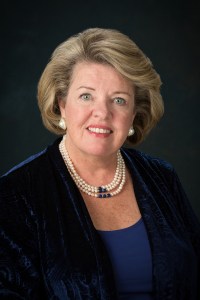
Janet Porter

Subscribe

Apple Podcasts | CastBox | Google Podcasts | Pocket Casts | RadioPublic | Spotify | Stitcher | TuneIn

Follow

Facebookhttps://www.facebook.com/aginginplacepodcastcom/

Instagramhttps://www.instagram.com/aginginplacepodcastcom/

Twitterhttps://twitter.com/aging_podcast

Resources

Disclosure: Links below to other sites may be affiliate links that generate us a small commission at no extra cost to you.

Conversation Project

Five Wishes

Sponsors

Lynes on Design

Takeaways

Open a dialogue and invite a conversation about aging in place end of life. It may be difficult to open that conversation, but it sounds to me like the rewards are exponential.  What is palliative care? How death with dignity and having a quality of life is the most important thing.

Transcript

Debi Lynes:                   00:03                Hi and welcome to aging in place for every stage in life. What if you could visit or have a home that would accommodate anyone at any age, any physical ability at any time? How cool would that be? That’s what we’re doing here at aging in place. Why me? Because I’m a doctor of psychology and I specialize in physical spaces in health and wellness. Also, I love designing with intent at any age. Why now? Because we the baby boomers want to age in place gracefully and we want our families around us as much as we can and why you the audience? Because we want you to experience what it’s like to have a home that’s safe, aesthetically pleasing, and that you can live in at any age with any ability at any time. I’d like to introduce you now to Aging in Place Podcast for every stage in life.

Debi Lynes:                   01:05                Hi and welcome to aging in place for any stage in life. I am here today with my friend Janet Porter. I am thrilled to have you here with us. I would like before we even began to chat about palliative care and everything we’re going to talk about for you to share a bit about your history. It’s fascinating.

Janet Porter:                 01:23                Sure, Debi, thank you for inviting me. I am a hospital administrator by background. I had a guidance counselor in college tell me “you should be a hospital administrator”. And that’s what I’ve been most recently. I was at Dana-Farber Cancer Institute in Boston, but I’ve also been passionate about leadership development throughout my career. So I’ve spent a lot of time as a faculty member at a lot of universities teaching leadership development and I’m most recently been very involved in governance. So I’ve been on the board of AARP.  I’m on the board of trustees at Ohio State and relative to today’s topic, I chair the hospice board, hospice care of the low country and Hilton Head because I’ve been very passionate, not only about leadership development, but about end of life throughout my career.

Debi Lynes:                   02:11                Well, you know, talking about aging in place at any stage in life, I think we often have a misconception that that is really about older people dying at home. I think the goal for this podcast is to really help people understand what it’s like to be able to have anyone at any time come into your home and feel comfortable. And I think it’s really interesting to talk to you today about palliative care, what it is and really about what it’s like at the end of life to age in place and specific things we may need.

Janet Porter:                 02:42                Okay.

Debi Lynes:                   02:43                So let’s get started and talk a little bit first about what palliative care is.

Janet Porter:                 02:48                Sure. Palliative care is a specialty in medicine, just like becoming a radiologist or an emergency room physician. And you actually get board certified in palliative medicine and it’s really physicians who oftentimes have all different types of backgrounds. They might be a pediatrician, they might be an internist, they might be a radiologist, they might be a nephrologist, but they’re often dealing with complicated patients and end of life patients. So palliative care doctors learn the process of really symptom management and managing the complex illness of patients and they’re often brought in as a referral at end of life because they’re usually very expert at also having the tough conversations.

Debi Lynes:                   03:30                It’s really interesting when you’re talking about it. When I think of palliative care, I think of end of life, no more active treatment interventions and it’s more about quality and comfort. What was interesting about what you said is also complex cases, so not just end of life.

Janet Porter:                 03:49                Right. So we have patients who get referred because of complex medical problems. They might have GI problems, they might have, you know, serious arthritis. They might have lots of different complicated problems. A lot of contraindication with medicine, met various prescriptions. Sure. And they’ll get referred to a palliative care physician to help them manage the complex care and all their symptom management and may be with that patient for years. It is true that a lot of doctors who specialize in end of life care had been trained in palliative medicine. I’m a faculty member in Harvard’s leadership program in palliative medicine and those physicians in that program and nurses and others come from a whole variety of backgrounds, but at their heart really want to help people die with dignity at end of life.

Debi Lynes:                   04:37                So let’s bring that back to the aging in place in your home. Why is that so important to remain at home?

Janet Porter:                 04:45                Well, you know, one of the things that surprised me because my parents were not like this when I joined the board of AARP, is how, what, how many people want to age in place, aging in place and dying in place is the strong preference. 85 90 95% of people do not want to leave their home. And so this is a really relevant topic because people not only live a fully.

Debi Lynes:                   05:11                Correct.

Janet Porter:                 05:11                In their home as long as possible, but oftentimes, I mean, mostly patients want to die at home. Also.

Debi Lynes:                   05:17                Let me ask you a question. Is this a United States thing where we want to stay? Well, where we typically have older people go to facilities or nursing homes as opposed to multi generational living?

Janet Porter:                 05:31                Well as you know, other cultures are in other countries are often much more respectful of elderly elders and honor them and want to honor their wishes and do have multi generational support with families living.

Debi Lynes:                   05:46                Yeah exactly.

Janet Porter:                 05:46                Close to each other. United States is so large and people are so young. People are so scattered now.

Debi Lynes:                   05:52                True.

Janet Porter:                 05:52                That it’s very unlikely they’re living close to their elderly parents.

Debi Lynes:                   05:56                But with that mind, I think as a baby boomer, someone who’s over 50, I’m not so gracious about being transported to a facility. I think I’m going to really, I want to know more about this. I want to know how to age in place. I want to know today at 60 or 66 how to create a home that I can age gracefully and, or die with quality. And I want my kids to create a home for me that I can visit.

Janet Porter:                 06:26                Yes.

Debi Lynes:                   06:26                And stay engaged and involved. So it’s really back to everything you’re talking about.

Janet Porter:                 06:32                Yes you know, it takes me back to my grandfather who was about 70 years old and in, in a little town called Verona, Pennsylvania. And he said he was having heart trouble and I, when the ambulance came, he was like, I’m not leaving my home. You know, I am fine here. I’m out. And he handed the car tech and died in the ambulance, but he was, he didn’t want it. He was walking down those stairs and he wasn’t going on a gurney, you know, and so many of us, that’s, that’s, that’s what place we found safe. And hospitals are, you know, oftentimes challenging places in terms of infection rates and errors. And so say home is a safe, safer place a lot of times.

Debi Lynes:                   07:10                it is a safer place. One of the things we talk about on the podcast a lot is how to create that safer place from a being on the board of AARP, number one and number two, just having an end of life interest, passion and specialty. What are some things that you can think about that are just easy ways to make your home more visitable?

Janet Porter:                 07:32                Well, the first thing of course, is to live on one story. I mean that’s the most surprising thing to me is the number of people that I know who choose to live in homes that have many stairs to.

Debi Lynes:                   07:44                Show up.

Janet Porter:                 07:44                Which is very difficult. So either being on a one story house or a one story house that has a bedroom so that you can be on one floor is the major thing because it’s the biggest obstacle to people being able to stay in their homes is stairs.

Debi Lynes:                   07:59                Okay.

Janet Porter:                 07:59                Either stairs coming into the house or a second or third story.

Debi Lynes:                   08:02                Let me ask you a question about going back to palliative care for just a moment and ask at what point do do palliative care physicians or even the process of palliative care come into play? In other words, as a patient who has a chronic disease, at what point would I perhaps call in a palliative care physician.

Janet Porter:                 08:25                At any point you can ask your physician, your primary care physician, just like you could ask to go to see an orthopod or an ophthalmologist.

Debi Lynes:                   08:35                Sure, sure.

Janet Porter:                 08:36                Or you can say, my symptoms are so complex and require such management, I’d like to be a referral to a palliative care physician. Unfortunately, we don’t have a lot of them around the United States. The big cities have them, but it’s tough to find outpatient palliative care. We’re getting in terms of producing more people who have this interest, but it’s tough to get them when you’re an inpatient. It usually happens because the family insists we’d really like to talk to a palliative care doctor. And that oftentimes then leads to the tough conversations about what really mom or daughter or sister wants at end of life.

Debi Lynes:                   09:14                And I think that those are the two questions I want is what does palliative care really look like, number one. And then we’ll take a break. What does it look like and then come back. And I think during the second segment, I’d love to talk about, having tough conversations.

Janet Porter:                 09:30                Okay.

Debi Lynes:                   09:30                So let’s talk first about what palliative care looks like to the patient.

Janet Porter:                 09:34                To the patient who let’s say a patient is an inpatient and the family says we’d really like a palliative care consult that involves a physician who’s understanding the full scope of illness of the patient and what the treatment plan has been, but is also really focused on symptom management and what symptoms are they trying to get under control, whether it’s end of life or not. It’s oftentimes the symptom management that’s critical to get the patient home, which is where they want to be. So palliative care can be helpful with the symptom management so that the patient can go home and then home care or if it’s end of life, hospice care can care for them, but have palliative care. Also good at having the conversation.

Debi Lynes:                   10:14                Exactly.

Janet Porter:                 10:14                Tough conversation with the family at end of life.

Debi Lynes:                   10:19                We’re going to have a take a quick break. We’re going to come back and I’d like to talk about what those tough conversations look like, how we begin to have them. And then I’m also very interested in the component pieces of those conversations. What just popped into my mind was what about do not resuscitate? What about who is the executor of my estate? I’m thinking all at once. Things that my mind is like too much to comprehend. So stay with this. We’ll be right back here on aging in place.

Debi Lynes:                   10:50                Hi, I’m Dr. Debi Lynes design elements are psychologically and physically supportive and conducive to health and wellness. To learn more about what Lynes on Design can do for you, for more information on certified aging in place and facilitative and supportive design, look for us at lynesondesign.com. That’s L-Y-N-E-S on design dot com.

Debi Lynes:                   11:16                We are back here on the Aging in Place Podcast for any stage in life. I’m here again with Janet Porter and we’re talking, we’re somewhat all over the board, but the focus is on palliative care and that has sort of morphed in and something that you’ve taught me in preparing you and I talked about this at lunch one day about asking the tough questions, having to tough conversations. So I’m going to turn this over to you. This is pretty interesting.

Janet Porter:                 11:42                Well, in the United States…

Debi Lynes:                   11:47                Okay.

Janet Porter:                 11:47                The legal field has legalized dying, which is then you really declaring where want your assets to go. People understanding where to where do your assets go through a will through other documents. But the other thing that’s happened is the medical establishment has medicalized dying has made it about what procedures you do or do not want. Do you want to feed into it? Do you want to be put on a ventilator. What do you want to do if you’re in a vegetative state. And while those things are important, and we’ll talk about the documents you need for both of those, that’s important. The truth of the matter is what we want when a loved one is dying is we want to honor their wishes. And that is, that does not just mean whether they want a feeding tube or where they want their, you know, precious, you know, figurines. But instead is knowing not what’s the matter with you grandma, but what matters to you.

Debi Lynes:                   12:42                Wow.

Janet Porter:                 12:42                And it’s about having that conversation about what matters to a 19 year old and 89 year old. That is really important because what we want to do is honor what matters and.

Debi Lynes:                   12:54                How do you even begin that conversation.

Janet Porter:                 12:55                Well actually there’s a great resource. It’s called the conversation project conversation project.org very easy to find.

Debi Lynes:                   13:05                Perfect.

Janet Porter:                 13:05                On the web. And Debi, they have toolkits that are little, little forms that you can go through where you reflect on the conversation you want to have with your spouse or your 19 year old son is not road riding around without a motorcycle helmet on.

Debi Lynes:                   13:20                Right exactly.

Janet Porter:                 13:20                Yeah and that document, that little toolkit kind of walks you through how to prepare for that conversation. When do you want to have it? Who do you want to be there? What questions do you wanna ask, etcetera. You know, the conversation project has done a lot of research on this and 92% of people say if they were seriously ill, they would want to have a conversation with their doctor about their wishes. 32% have chosen to do that. But more importantly, 80% of people say that if they were seriously ill, they would want their loved ones to know what their wishes were. 18% of people who’ve seriously ill have done that. I mean the statistics are overwhelming. The 21% of people say they’d like to talk to a loved one about what they want, whether they’re healthy or what, and yet they haven’t done it.

Debi Lynes:                   14:05                Is it fear, blame, shame, embarrassment, fear?

Janet Porter:                 14:08                You know what you remember Dr. Ruth?

Debi Lynes:                   14:11                Okay, Oh my goodness.

Janet Porter:                 14:12                Yeah, yeah.

Debi Lynes:                   14:14                I like her.

Janet Porter:                 14:14                Yes exactly. So you know, we couldn’t say the word orgasm on television until.

Debi Lynes:                   14:18                Exactly.

Janet Porter:                 14:18                Dr. Ruth came along.

Debi Lynes:                   14:19                I still remember that.

Janet Porter:                 14:22                Little German woman saying that she, you know, talking about words that we’d never used before on television. Well, I kinda think we need a Dr. Ruth of death. You know, because talking about sex was a taboo subject.

Debi Lynes:                   14:36                Correct.

Janet Porter:                 14:36                It’s much less taboo now because of her and others. And death is a taboo subject. It’s not something people feel comfortable talking about.

Debi Lynes:                   14:45                Which is ironic that you say that because I’ve got nine grandchildren. I was 10 and my little five and six year. When they’re in the back seat, they’re always talking, what does heaven look like?

Janet Porter:                 14:55                Are they?

Debi Lynes:                   14:55                What is it they feel like, well they lost a dog. What does that feel like? And it’s really interesting to listen to them be so open to the circle of life kind of.

Janet Porter:                 15:06                Yes.

Debi Lynes:                   15:06                Where we as adults are like, Oh my gosh, we’re trying to protect you. We don’t want to talk about things that aren’t wonderful and you know, rainbows and butterflies.

Janet Porter:                 15:14                Exactly, exactly. When I do, when I do presentations on this, I say to sometimes to college audiences, I’ll say, I’m going to talk to you about my sex life, and they all like sit up and feel uncomfortable and have butterflies in their stomach. I said, okay, I’m not really going to talk to about my sex life, but I’m going to talk about personal financial planning. And they’re like, they’re like, what? I said, you know what? You would feel equally uncomfortable if I talked about sex.

Debi Lynes:                   15:37                That’s right.

Janet Porter:                 15:38                If I talked about dying or if I talked about personal finance, how much I was net worth because we have these cultural taboos against topics that it’s okay, I don’t know about you but I don’t have any idea what my best friend makes or what.

Debi Lynes:                   15:50                I don’t neither.

Janet Porter:                 15:50                Not. A, we don’t talk about it and we don’t talk about death. We don’t talk about end of life and what’s important to us. And, and you know, what’s important to people in terms of their wishes is things like I want to reconcile with my brother. I want to know what’s gonna happen to my cats, who’s going to take care of my garden. I mean knowing those things about what’s really what matters to people and what would give them solace if they could resolve before the end of life is really important gift. We want to give those we love.

Debi Lynes:                   16:21                And it is a gift. When my mom died last August, we found in one of her calendars from 2004 every year she had written, we had no idea she had written, if she died, you know what she wanted. And to your point, not her assets, but what song she wanted played. She did not want a picture in her just over and every year she’d cross it out and change it or adapt it and then initial it.

Janet Porter:                 16:53                Yeah, Yeah, you don’t want my mom, my mom’s was what the color of the tablecloths were going to be.

Debi Lynes:                   16:59                Love her. I like that, I get that. And the colors change year to year, but at least we knew it. End of life, which color she wanted. So we’re talking about a taboo subject. Do you and I right now with humor.

Janet Porter:                 17:13                Okay.

Debi Lynes:                   17:13                With serious subject. But there’s a lot of beauty to it.

Janet Porter:                 17:18                There is, you know the, the thing I read a recent, [inaudible] article written by BJ Miller, who’s a national expert tie to palliative care doctors, a national expert in essence, the interviewer asked him, you know, what the experience was like at end of life. And he talked about how many people that he’d gone through the death process with who were really relieved and felt solace that issues had been resolved, that were, that were bothersome to them. So, it’s really an important thing for us to make sure that people live fully the end of life and then die at peace. And I would think of it.

Debi Lynes:                   17:52                And what does that mean? I hear that a lot die. The quality of life and death with dignity. I hear that from hospice a lot. What does that look like? Is it just encompassing everything that we’re talking about? And then what?

Janet Porter:                 18:04                I would say the number one thing is it looks like a lot of listening. It looks like really listening to the patient and the family in terms of what matters to them and honoring that. And hospices across the country are expert at that. They’re expert at really going in and helping not just the patient, but the patient and family deal with this major life transition. You know, Debi, that we’re all gonna face. And what I say to people is giving the gift of the conversation to people is a wonderful thing. When my mother passed away, she had had a serious stroke and I had three sisters and she was in the hospital and my mother had been very clear about what her wishes were and we got on the phone one day, they were doing all this stuff in the hospital and I knew she was really in bad shape and we got up one phone call on the with a palliative care physician and in an hour the palliative care physician said to us, are you clear about what your mom wants? We said, absolutely. And they said, then you need to honor her wishes, whatever. That if we took her off all medication, we took her out of the hospital, we put in our hospice care. She ended up living in other full year, which was big surprising to us.

Debi Lynes:                   19:16                But alongside of that and kind of the underlying CMI here is four girls, right?

Janet Porter:                 19:23                Three girls,

Debi Lynes:                   19:24                Three girls. There were three girls and it was less about individual points of view about how to manage your mother. But the doctor basically said, you will take you and put you here. This is about your mom’s wishes.

Janet Porter:                 19:37                Yes.

Debi Lynes:                   19:37                So in some ways that helped avoid a lot of potential because we all, we all see through our own lens and have ideas of the way things should be for the people we love.

Janet Porter:                 19:49                You can’t ask anyone, what do you want an end of life and have the person to answer. I want my children to be fighting over what should be done.

Debi Lynes:                   19:57                Right.

Janet Porter:                 19:57                No one wants that. Right? And so how can your children do what you want if you don’t tell them and tell them together. Not just Susie, the oldest daughter, right. And leaving the boys out of the conversation, which happens, but in fact being clear about it both verbally with them and in writing so that they can then have unanimity about what’s the best thing for mom.

Debi Lynes:                   20:21                It’s so funny. Bernay Brown who is a psychologist and she’s really an inspiration. I was like clear is kind and I.

Janet Porter:                 20:29                Exactly.

Debi Lynes:                   20:29                Say, yeah, and this is the perfect place to do that. I know we’re going to take a quick break. We’ve got a couple of things to come back and talk about. We’re going to talk about some of the tools within those toolkits, paperwork, documents, things like that that will be helpful and I also would love to have you share an anecdote about your favorite book. I’ve been looking forward to this and I thought it would be a great way to exit the interview.

Janet Porter:                 20:50                Okay yes.

Debi Lynes:                   20:50                So stay with this will be right back here on aging in place.

Henrik de Gyor:             20:55                For more podcast episodes, links, information and media inquiries, please visit our website at aginginplacepodcast.com as we transition through life with the comfort and ease you deserve. Discover how you can create a home that will adapt to you as you journey through life and the changes it will bring. Please follow us on Facebook, Twitter, and Instagram as our host Debi Lynes and her expert guests discuss relevant topics to creating a home for all decades in life. Don’t miss our weekly episodes of Aging in Place Podcast for every stage in life.

Debi Lynes:                   21:32                We are back here on aging in place. Again, we’re here with Janet Porter and we are talking about aging in place. We are talking about palliative care. We are talking about having an end of life discussion. And what resonated with me was what I think you probably see all the time. You’ve got the emotional one, you’ve got the stoic matter of fact buttoned up. Here’s my list, here’s what you want to do. And everyone is so different. How do you guide someone through this process?

Janet Porter:                 22:01                Well, that’s one of the reasons that hospice care and palliative care physicians are so important because it’s all about listening, but it’s about helping those disparate opinions come together and reach consensus and it’s very tough. And you know, it’s emotional for people. Some people are more pragmatic and thinkers. Some people are in denial. What’s sad is the number of people who report that they brought it up a couple of times with their children or their spouse. This is what, I don’t want to talk about it. I don’t want to talk about it. Oh my goodness. There’s nothing worse you can do when somebody is ready to talk about what they want an end of life than to shut them down. It’s been, they’ve probably thought about it a lot before they’ve come to you. Right? And so being open, emotionally open to recognizing and you might not be the first time and then you’ll go back and think about it. But when a loved one is ready to have the conversation, the gift you could give them is to be there and really listen with an open heart. Some of the data is that 53% of people say they would be incredibly relieved to be able to have the conversation but have been blocked from doing so. 95% of people at end of life say they’re willing to have the conversation that maybe somebody else has to bring it up. So you know, if mom or dad doesn’t bring it up and you think it’s time, you need to figure out a way to bring it up. And that’s why the conversation project again, conversation project.org is such a great tool. They have tools, they have tool kits for dealing with people with dementia. Because imagine how complicated it is when you, not only a degree, but you really can’t. It’s too late to have the conversation with mom. I mean imagine how tough that is.

Debi Lynes:                   23:39                Yeah, I never thought about that.

Janet Porter:                 23:41                Oh yeah, they have a car, they have a tool kit for dealing with children, walking children through about what they want and, and they have one for adults so they have different toolkits based on the situation.

Debi Lynes:                   23:51                If you could just give us an overview of documents or people that you would like to see involved in the team. Okay. As we have a chronic illness that we need to manage or where at the end of life is there a team you would put together?

Janet Porter:                 24:07                Well let’s, let’s say, let me ask you answer the question about documents cause you mentioned documents. There’s another resource I’d like the audience to have. It’s called a Five Wishes, five wishes.org. And it walks you through the five wishes as to what my mom and dad or brother or sister or anybody would want. and prepares you for that conversation. And it’s a document that’s legally accepted as a will in for something like 42 States. So five wishes. It’s downloadable right from the internet. It’s not complicated and expensive and so people say, well, what prohibits them as, they don’t want to go to a lawyer and spend $500 or a thousand.

Debi Lynes:                   24:45                Right.

Janet Porter:                 24:46                It’s right there available on the web for you to clarify your wit, your medical wishes, your legal wishes and other wishes that you would have an end of life.

Debi Lynes:                   24:54                Oh, that’s huge. Five Wishes. I think we’re all going to be on that immediately. What stage? Let’s, let’s go back to the, the palliative piece for chronic illness. Okay. Is that really more about how to keep a person safe and healthy at home with symptom management and what does that look like?

Janet Porter:                 25:13                Mmm. Yes. I would say that’s a good description. It’s about helping them to manage their symptoms so that they can live life as fully as possible. Because after all, what we want people is to live fully until they die. And we have incredible stories of people who in their last year of life or six months of life have done incredible things. I think I’ve mentioned to you that my favorite book is this book Driving Miss Norma.

Debi Lynes:                   25:38                This is what I’m dying to hear.

Janet Porter:                 25:40                And I give it to everybody. I should’ve brought it today. I gave it to you that right.

Debi Lynes:                   25:46                I loved it. I read it.

Janet Porter:                 25:47                So Driving Ms Norma is a memoir and it’s by Tim and Ramy who are a couple who went to Michigan one year. They were living in the Airstream trailer kind of nomads and they go to Michigan and Tim’s father dies and mom is diagnosed right away with cancer. Mom is 90 years old and they say, mom, you can can’t stay in the house by yourself. We can put you in skilled nursing here, here in Pennsylvania with, or you could hit the road with us. And the next day when they go to the doctor, that doctor outlines the whole treatment plan for cancers, all these drugs and radiation and Miss Norma, what do you want? She said, hell, I’m 90 years old. I’m hitting in the road. And she wanted to go see Mount Rushmore and she wanted to go to New Mexico. They took her all over the United States. She had all kinds of adventures. I recently, I’ve done a lot of speaking on this and I had a physician that group, right. Not everybody’s going to have a big adventure at end of life. And I thought the messages in the book, I’m not about.

Debi Lynes:                   26:45                What are the themes?

Janet Porter:                 26:46                Well, the first theme I think is too is that people have a lot of life in them at every age and, and that you should honor their people’s wishes in terms of what they want. And she wanted to hit the road. So they had supported her hitting the road. There’s a lot of messages in there about how kind and open Americans were as they traveled around the country in terms of, because of the social media buzz she got, they opened their hearts. We’re here in Hilton Head and you know, when she, they ended up coming here, they ended up making her and putting her in the parade. She was in a car on the parade.

Debi Lynes:                   27:19                Oh, I love it.

Janet Porter:                 27:21                So, so that’s one of the major themes. And the major theme is about having the conversation with people about what you want. Major theme about hospice care. So the book is really a powerful testimony, I think. And I think also sparks the conversation. So if you want to have a conversation with somebody about end of life, give them the book, let them read it. It’s only a couple hundred pages. It’s a great story. And you can say, and what would be important to you, let’s say it’s your best friend who you’re worried about. What would be important to you and what can I do to help make that possible? There’s a, another book called being mortal, highly recommend.

Debi Lynes:                   27:56                I read that about three or four years ago and I thought that was one of the most powerful books and I was resistant to it. And even being a psychologist, I don’t know why, I just didn’t really want, I don’t know. It was one of the best books I’ve ever read.

Janet Porter:                 28:09                Yes.

Debi Lynes:                   28:09                And how would you describe the theme of that?

Janet Porter:                 28:12                Well, a tool. Gawande is a Harvard physician.

Debi Lynes:                   28:14                Right.

Janet Porter:                 28:14                I know him. He practiced at the hospital where I worked really good. He’s a thyroid cancer surgeon and he basically tells the book through this, through the story of his father who was a physician in Athens, Ohio and he comes home and realizes that his father really has terminal medical conditions and he then goes on to describe in the book what that was like for him personally and also shares a lot of story of his own patients. The PBS special about that, which I thought was terrific, an hour long special. What I thought was tragic and that at one point they had a woman who they were having the conversation with her about that this was the ad and she was sitting up in bed and she said, doc, all I want before I die is to take my children to Disneyland. And she died five days later. You know, and you think about if they had had that conversation with her about six months earlier, maybe she’d been able to do that. And think about what lasting memories that would have given to those grandchildren of their grandmother.

Debi Lynes:                   29:12                Who typically in today’s culture and society brings up the, the death or dying, end of life conversation based on your experience?

Janet Porter:                 29:23                Well, surprisingly it’s oftentimes not the patient, you know, patients, I worked at a cancer hospital for years and the vast majority of patients listen to what the doctor recommends and don’t really ask and what will be the quality of my life, what the, what’s my prognosis? And oftentimes take patients on a cancer journey a long time because the doctors very much want to keep them alive and are very hopeful about the treatments and you don’t want to take away people’s hope. And so people are often reluctant, both patients and family members are reluctant to say, tell me really what the prognosis is.

Debi Lynes:                   29:56                And that’s not saying you have three months to live. That’s just simply being realistic.

Janet Porter:                 30:01                Right, right.

Debi Lynes:                   30:01                When you talk about a prognosis.

Janet Porter:                 30:04                Right, right. I had a friend who came to Dana Farber cancer Institute and they’d been told, they’d been told at another cancer center that they couldn’t do anything else and they wouldn’t give them any prognosis. And he said, I want you to know I have grandchildren.

Debi Lynes:                   30:18                That’s right.

Janet Porter:                 30:18                I want you to know. And they said, if you stop all treatment, you’ll live six months. If you stay on standard chemo and we think you’ll live a year, but we’ve got a clinical trial for you that we think will extend your life beyond that. And when I went to dinner with them, they were so relieved and they had decided to do the clinical trial. He lived two and a half years and what he wanted was his grandchildren to remember him and he was so pleased with, by the time someone says, I want to know my prognosis he wants to know.

Debi Lynes:                   30:48                What exactly. That’s not the first thing you ask when you’re diagnosed. That’s when you’ve run through a lot of the treatment options.

Janet Porter:                 30:53                That’s right.

Debi Lynes:                   30:54                I think it’s absolutely fascinating. You don’t realize how interesting the hell in the whole conversation is. And I think bringing it up, demystifying it, and having an open dialogue like this. Oh, I’d like to invite everyone who’s listening to, talk to one of your loved ones. I think it’s a pretty powerful discussion.

Janet Porter:                 31:12                Unfortunately, we sort of have a myth that we think doctors are really good at this and doctors are taught to save your life. And so the training that doctors get to really have these tough conversations is modest at best. And it’s not something they’re human beings.

Debi Lynes:                   31:31                Sure.

Janet Porter:                 31:31                People feel confident, uncomfortable talking about it. Doctors are human beings. They feel uncomfortable too. That’s why you need to ask the right questions for your loved ones and B, get potentially access to these resources and really think about what you can do to honor your loved one’s wishes at end of life. I also want to tell you that my mother was in hospice care and her mother-in-law had died on Christmas day when my dad was 16. And my mother felt really passionate about the fact that you should not die on Christmas day. So we had a minister who was coming to sing with her cams Oh irregularly. And he came to see her on December 22nd and said, Myrna, what do you want to sing? And for the first time ever she said, I want to sing. I’ll be home for Christmas. And they sang the last song they sang together was I’ll be home for Christmas. And she went into a comment and she died on Christmas Eve. And what I said to people is my mother was very religious and so she wanted to sing. I’ll be home for Christmas. And she was and hospice care and Joe rock, the pastor who was caring for him gave her that final moment. And I’m so grateful.

Debi Lynes:                   32:42                It has been an amazing conversation and we thank you all for participating with us in that Janet, especially you. Thank you all for joining us here on aging in place at any stage in life.

Debi Lynes:                   32:53                I’d like to introduce you to a friend of mine, Tracy. Tracy is naturally curious and always creative. And when we were doing the Aging in Place Podcast, she said, there are so many quick tips that I can think of off-hand. My response? Who knew! She’s going to be with us every week, giving us a quick tip and a hint. That is a practical application.

Tracy Snelling:              33:23                Thanks, Debi. Surround yourself with needs and not one. Sometimes our areas can get a little messy and organization goes a long way. An organized space helps you move more freely. We tell our children to pick up their toys, but yet we keep a stack of magazines next to the couch. Play a game along with your kids. Have them walk around the house with you and let them tell you what you need to pick up or even better. Get rid of it. We get so comfortable with our things be nearby that we actually lose sight of them. I only need one pencil sitting on my desk so the other nine can go in a drawer. Who knew our children can be great organizers of our things.

Debi Lynes:                   34:08                Hi, I’m Dr. Debi Lynes and thank you for listening to aging in place for any stage in life. We would like to ask you all to give us a review. Of course, preferably five stars. Thank you again and we hope you enjoyed aging in place for any stage in life. Janet Porter, what an amazing interview and talk about takeaway that you actually can take away and use. First of all, the most important thing I think that Janet taught us today was open a dialogue and invite a conversation about aging in place, end of life. It may be difficult to open that conversation but it sounds to me like the rewards are exponential. Additionally, what I learned and I think many of you also learned is what palliative care and how death with dignity and having a quality of life is the most important thing. Thank you all for joining us here on aging in place for any stage in life.

Henrik de Gyor:             35:09                Aging in Place Podcast is hosted by Debi Lynes and produced by Henrik de Gyor. If you have any comments or questions, send an email to debi@aginginplacepodcast.com we would love to hear from you if you’re interested in advertising or sponsoring this podcast, email us at pr@aginginplacepodcast.com thank you for listening to aging in place podcast.

8. Ryan Herd

Dr. Debi Lynes interviews Ryan Herd of Caregiver Smart Solutions about using sensors for any stage in life on Aging in Place Podcast

(duration: 33 minutes)

Ryan Herd


Subscribe

Apple Podcasts | CastBox | Google Podcasts | Pocket Casts | RadioPublic | Spotify | Stitcher | TuneIn

Follow

Facebookhttps://www.facebook.com/aginginplacepodcastcom/

Instagramhttps://www.instagram.com/aginginplacepodcastcom/

Twitterhttps://twitter.com/aging_podcast

Resources

Disclosure: Links below to other sites may be affiliate links that generate us a small commission at no extra cost to you.

Caregiver Smart Solutions

CES Showstopper award winner

Plastic shot cups

Takeaways

It’s all about sensors.

Sponsors

Lynes on Design

Transcript

Debi Lynes:                   00:03                Hi and welcome to aging in place for every stage in life. What if you could visit or have a home that would accommodate anyone at any age, any physical ability at any time? How cool would that be? That’s what we’re doing here at aging in place. Why me? Because I’m a doctor of psychology and I specialize in physical spaces in Health and wellness. Also, I love designing with intent at any age. Why now? Because we the baby boomers want to age in place gracefully and we want our families around us as much as we can. And why you the audience? Because we want you to experience what it’s like to have a home that’s safe, aesthetically pleasing, and that you can live in at any age with any ability at any time. I’d like to introduce you now to Aging in Place Podcast for every stage in life.

Debi Lynes:                  01:03                Hi, I’m Dr. Debi Lynes and welcome to the Aging in Place Podcast. I am here today with Ryan Herd and I’m very excited to have you today straight from the CES conference in Las Vegas. Ryan, I’m thrilled to be able to talk with you and I’d like to learn a little bit about your background, number one, number two about the CES conference and number three, I think it congratulations are in order.

Ryan Herd:                    01:31                Hey Dr. Debi. Well, thank you for having us on. I really appreciate it. So, let’s start by unpacking those questions. Who am I? I’m actually Ryan Herd. I’m known as the smart guy. I’ve been in smart tech and IOT for 29 years. I literally wrote the book on it called Join the Smart Home Revolution and I’ve been in the tech industry for all my life. I’m a techie. I kind of love this stuff.

Debi Lynes:                   01:57                Did you get into that? How did you get into that area of being known as? I like it. I’m known as the smart guy.

Ryan Herd:                    02:03                Yeah, Ryan Herd the smart guy because I wrote the book. So I wrote the book called Join the Smart Home Revolution and it was really to fix or answer that fundamental question, which is what is smart home and how can it help me as a human? You know, the one issue with the technology industry is where you make a lot of widgets and gadgets, but how can I actually help me as a human? So I started to answer that question and because of that I’ve also worked with some of the top companies like Sony and really group would just call a banker and home advisor. I helped them start up their smart home division. So yeah. And I also had a integration firm called the one sound choice. And what we did is smart technology for high net worth, high profile individuals all over the US.

Debi Lynes:                   02:50                And you know, I want to get right into it. I still want to go back and talk a little bit about your kids and your life because it’s pretty fascinating. You have, it sounds like you have a nice self-care and a nice balanced life. But to get right to the point, one of the things that intrigued me when I first talked to you, and because I’m older and I’m very, yeah, there you go. A grandmother of nine and most 10. I’m really curious when it comes to aging in place and the home. The more research I do and the more data I have gathered, the more I realize that a lot of the products that are for aging adults if you will, or people who have special needs acute illnesses aren’t really user-friendly. And it was so fun for me to talk to you because that was the first thing out of your mouth is oftentimes people who manufacturer these things don’t really think in terms of universal designer humans.

Ryan Herd:                    03:47                That’s the big problem. And, and I don’t mean to beat up on anybody. Again, I’m a techie. I love technology. I just got back from CES and that’s the Superbowl of technology. Now with that said, I’ve been spending a lot of time out in Silicon Valley as well as over here in New York and NGIT and there’s a lot of really smart people. I mean they are doing amazing things and they’re building and designing things that are going to be incredible for when I get older. Where they lack is they don’t understand the consumer or the person that’s going to use it. Today. For example, when we’re talking about let’s say the greatest generation people that are approaching a hundred years old, you know, 19, 28 and older is when they were born. You know, they’re technologically adverse. It’s all about, they don’t want to be spied on. It’s their belief system is, you know, we are going to meet somebody, we’re going to get married, we’re going to buy a house, we’re going to have kids. We’re going to live in that house. We’re going to die in that house. And we’re never ever, ever going to be a burden to anybody else. So that’s what we do see, is there’s people that are trying to just take all these smart home gadgets and put it in mom’s house, but mom doesn’t need a smart lock. She doesn’t need a smart thermostat. She doesn’t need a alarm. What she needs is to know that somebody’s got their back.

Debi Lynes:                   05:05                And you know that. It’s really funny because my mom and dad moved in three years ago. We lost my mom, but my dad’s 91 92 and it’s exactly what you say is true. They want their life to be the same as it always has been, but they have so many more restrictions now. And I also think for my dad, at least, he doesn’t want to feel special. He doesn’t want to feel like he’s a burden on anyone.

Ryan Herd:                    05:31                Right, right.

Debi Lynes:                   05:31                He wants to be as independent as he can. So what does that mean in terms of technology?

Ryan Herd:                    05:40                Well, independence, you said it right. So let’s think about it. Remember when you got your first car and you were independent for the first time you left home, this was the first time you’re able to be on your own. Nobody was next to you. You know, we’ve been craving it. We finally got it. Now you’re not going to give that up, right? You want your independence for as long as possible. And that’s why what we’ve seen is those that are 65 and older, more than 85% of them want to live at home alone and independent. So the question is how do we as caregivers, how do we enable that? How do we give them the ability to be independent, live at home, and yet reduce our stress. Because being a caregiver, it’s, it’s stressful, it’s time-consuming and it’s isolating.

Debi Lynes:                   06:24                Yes it is.

Ryan Herd:                    06:26                So we’ve done, the new company I have called Caregiver Smart Solutions is just that. We’re answering that fundamental question, which is how are they doing, right? We’re enabling your loved one to live home longer while reducing your stress because as I said before, being a caregiver, it’s stressful, time-consuming and isolating. So let me tell you what we’re not, we’re not a camera, right?

Debi Lynes:                   06:49                Okay.

Ryan Herd:                    06:49                Because cameras are invasive. You don’t want a camera in your home. I don’t want it in my home.

Debi Lynes:                   06:53                My dad, Well what’s funny about that is my dad has flat out refused it, don’t be spying on me. not spying. I just want to make sure if you’re falling or you’re slipped or you can’t do this or that, that you’re covered.

Ryan Herd:                    07:04                Exactly. That’s actually the first thing I did when my father had cancer. I put a camera in and he put a dish towel right over it. So that wasn’t gonna work. So the second thing that we’re not, we’re not trying to change your loved one’s habit. I dunno. Have you ever tried to change the habit of an 80-year-old?

Debi Lynes:                   07:21                Yeah it’s not pretty.

Ryan Herd:                    07:23                I can’t even change my own habits, right? So that’s not going to happen. Number three, we’re not aware of it because the reality is, is they’re not wearing them. They’re not charging them up. And you have to understand, as I said before, there’s a psychological aspect. And what I mean by that is it’s like me going to my father Dad, do me a favor. I need you to wear this. And if something happens, you gotta push the button. Now here’s where psychology comes in. The reality is, is I’m working around, I’m dealing with my kids. I’m dealing with this. A video call. I have other meetings I have to take. I’m not thinking about end of life. 93-year-old grandma. You know what she is and now we’re taking this device and saying, if you have a problem, push the button. And she’s looking at that as the button of death. And you have to understand they don’t want that and we want to enable them, but we don’t want to bring that kind of stuff up. So how can we be proactive? And this is what we are caregiver’s smart solutions. We take tiny non-evasive sensors and we place them discretely around the home and what the sensors are monitoring is your loved ones’ habit because your habit is an indicator of your health. For example, if mom’s habit is that she gets up twice a night to go to the bathroom fine green check Mark. That’s what she always does. But if all of a sudden she starts getting up five times a night, three nights in a row, that’s definitely an issue. That’s something you want to know. And it could be a urinary tract infection. No, that’s just a little bit of what we do and we do so much more.

Debi Lynes:                   08:56                Talk to me a little bit about a, what is sensor? How does the sensor work? It Does it go in the corner of the room? Does it go in different rooms? What am I actually monitoring movement sound?

Ryan Herd:                    09:06                So there’s a couple of things that our sensors are doing in the baseline. We’re measuring movement, we’re measuring things like the refrigerator, we’re measuring the medicine cabinet, we’re measuring the time it takes mom to walk down the stairs. We’re measuring quality. How long has mom been sleeping? It’s really important to get, let’s say five to eight hours of sleep.

Debi Lynes:                   09:27                Correct.

Ryan Herd:                    09:27                She’s getting up once an hour, every single hour. That could be an issue now.

Debi Lynes:                   09:32                Was an issue for cognitive decline.

Ryan Herd:                    09:33                It’s an issue for that. And, and you know what? We’re facilitating the insights through the use of an app. You can see exactly what’s going on. And let’s say it’s that. And you see mom, your loved one got up once an hour for four hours straight. So now when you talk to mom, you can say, Hey, how’s everything doing? And what is she going to say? It’s fine. But now you can say, I saw that you were up a lot last night and it, you know, it might’ve just been a bad burrito. I don’t know.

Debi Lynes:                   10:01                How does it, how does it actually track? We’ve got about a minute in this segment. So how does it actually document and track? Is it actually formulating data? Is it a, is it journaling for me? Is it sending me a note or an email?

Ryan Herd:                    10:18                So what we’re doing from the fancy side is we’ve got a bunch of noninvasive sensors mounted throughout the house and what happens is we’re using something called machine learning. Think of that as a record button, so two to three we’re recording the habits, so now we have a baseline, we know how your loved one is doing, and then from there we add something called AI fancy technology and what AI is looking for is they’re looking for those things that are out of the ordinary. For example, if mom’s sleeping later or if mom is taking longer to get down the stairs or if mom is not drinking, making her coffee. All of these things are outside of what normal is.

Debi Lynes:                   11:00                All right, hold that thought. We’re going to take a quick, quick, quick break and I’m going to come right back and get into it again. We’re talking with Ryan Herd and I’m really excited. We’re talking about motion sensors. Stay with us. We’ll be right back.

Henrik de Gyor:             11:12                For more podcasts, episodes, links, information and media inquiries. Please visit our website at aginginplacepodcast.com as we transitioned through life with the comfort and ease you deserve, discover how you can create a home that will adapt to you as you journey through life and the changes it will bring. Please follow us on Facebook, Twitter, and Instagram as our host Debi Lynes and her expert guests discuss relevant topics to creating a home for all decades in life. Don’t miss our weekly episodes of aging in place. Podcast for every stage in life.

Debi Lynes:                   11:49                We are back here on aging and place. We’re talking with Ryan Herd, talking about motion sensors. More importantly, we’re talking about universal design. We’re talking about aging in place for absolutely every stage in life and I’ll tell you what’s interesting about this is although we’re talking about older adults at this point in time, one of the reasons I wanted to do the podcast, Ryan, is because it’s really something that’s important for families or folks at any age. I know my daughter has two young kids. And when I think about her having motion detectors, I think, or the sensors as you’re talking about, I think it would be an amazing opportunity.

Ryan Herd:                    12:29                And it’s interesting because as your daughter is right, so I’m 48, I’ve got three young boys and your daughter has, and they call us the sandwich generation, meaning, you know, we have our kids that we’re taking care of as well as we have our aging adults that were also worried and concerned about. So we’re sandwich tray in the middle of that.

Debi Lynes:                   12:47                It’s so very true. Being a psychologist, I do a lot with the sandwich generation. I started out with adolescent and now I’ve ended up with the geriatrics and I think we’re sitting right in the middle of them. So let’s go back and talk about these sensors and as far as the artificial intelligence piece of that, how this works again.

Ryan Herd:                    13:06                So the easiest way to explain it is, as I said, so we have two main things that go on. We’re using machine learning and again, think of that as the record button. So that’s going to record the habits over about two weeks’ time. And then we’re going to get a baseline. So for example, we’ll be able to know that mom is vacuuming every Wednesday because everyone says she’s going in and out of the rooms and we can see them [with sensors, not cameras]. Once we get that baseline, then we can add AI or artificial intelligence on top of that. So for example, let’s say, let’s say we’re talking about false. So envision a Cape Cod. So you have a two-floor house, a mom’s upstairs, she gets up in the morning, she goes to the bathroom. Now these are going to be triggering our sensors and she comes out of the bathroom, she goes walking down the hallway, triggers a sensor on the top of the hallway. We know that she takes about three and a half minutes to walk down the stairs. She’s going to trigger the sensor at the bottom of the stairs. Then she’s going to walk into the living room because that’s the next room. And then it goes into, she’s going to trigger that. Now it’s going to know what her typical timeframe is. How long it takes to get down those stairs. Now another scenario, let’s say she got up, she went to the bathroom, she got to the top of the stairs and now all of a sudden it’s four minutes, four and a half minutes, five minutes. And she hasn’t triggered this. The sensor on the bottom of the stairs where his mom, she’s probably laying in the middle of the stairs.

Debi Lynes:                   14:35                Or just we going to say she’s gotten dizzy. She’s fallen. Yes.

Ryan Herd:                    14:38                You take another scenario, she triggers a sensor at the top of the stairs but then triggers a sensor at the bottom of the stairs 30 seconds later and does not trigger the next sensor, which is living room. What happened? Mom probably rolled down the stairs. That’s the kind of power that we’re talking about [awareness] and that’s just on one thing. So let’s take it even farther. Let’s talk about dehydration. So technically the closed loop would be things like, I see mom open up the refrigerator. I see mom moving around. I see mom making coffee through the coffee pot and I see mom going to the bathroom [all with sensors, not cameras]. Well, that’s what you expect to happen.

Debi Lynes:                   15:13                Correct.

Ryan Herd:                    15:13                I’m going into the fridge, walking around, not going to the bathroom and not making coffee. That could because for concern over several days because that could mean that she’s dehydrated. Dehydration that precursor to a fall. And guess what? We don’t want our aging loved ones to fall. That’s the power of what we’re doing.

Debi Lynes:                   15:35                So how does this work from a practical point of view? Are you in the actual production? How does someone get this? What would be a fee schedule? It just makes so much sense.

Ryan Herd:                    15:49                So we have three different kits. I don’t know if you can see it.   

Debi Lynes:                   15:54                There you go.

Ryan Herd:                    15:54                At Caregiver Smart Solutions, what we do to make it easy for everybody is we made three different kits. We have the Basic kit, Deluxe kit, and Deluxe plus. Obviously, they can be found on our website which is caregiversmartsolutions.com. You can give us a call at (888) 585-5022. Now the easiest way to explain it is think of the basic kit. The scenario is we just got out of holiday, right? We had Thanksgiving, we had new year’s. So let’s say you saw grandma and this was the first time that you realize that grandma, you know she, she’s just not as snappy as she used to be and I’m not saying anything’s wrong with her, I’m just saying that.

Debi Lynes:                   16:34                No, no, no okay.

Ryan Herd:                    16:34                The first time that your concern you get the basic kit. All I want to know is the basics. Is she moving around? Is she eating, is she taking her meds and is she going to the bathroom? Just the basics. From there, we can go all the way to the deluxe plus kit, which then we’re monitoring obviously much more, many more things like doors. We’re also monitoring things like TV because if mom’s sitting in front of the TV for five and six hours, that’s like me saying, I need you to get up and run around the block. They shouldn’t be sedentary for that long. The coffee pot or tea kettle, we’re measuring sleep quality as well as fall detection, so on that, that is usually for somebody that maybe there’s been an event, maybe mom has already fallen or maybe you’re really concerned about your loved one. Maybe she’s got a bit of dementia.

Debi Lynes:                   17:28                Dementia.

Ryan Herd:                    17:28                What’s the most important thing when we’re talking about dementia? We’re talking about a did the door open up and b that you walk out of that door because that is the most important thing. Those are the kind of things you want to know.

Debi Lynes:                   17:43                Well, it’s really interesting to me because as a certified aging in place specialist of the things I think about all the time are when cost is no object. That’s one thing. Okay, I can hire full-time help, I can do this, I can do that. But I think for many of us within the sandwich generation, we don’t necessarily near-live near our loved ones. And I think that, you know, if there have been such a void in American for any kind of, I guess fixed in the middle, if you will.

Ryan Herd:                    18:14                Right.

Debi Lynes:                   18:14                And, and more importantly home-health and some of those things are almost cost-prohibitive. How do you all play with others in this area, if you will?

Ryan Herd:                    18:31                So think of us as a, we’re complimentary and we’re proactive. So every, all the technology in the market right now is reactive. It’s, I’ve fallen, I can’t get up. If something happens, push a button and we’re all waiting for impending doom.

Debi Lynes:                   18:44                Correct.

Ryan Herd:                    18:44                How about earlier? So we can start answering that question. As I said before, how are they doing now when we’re talking about in-home care, the least expensive that you can get into it for is twice a week, four hours a day, and that’s only covering eight hours at 25 bucks an hour. And that’s about $10,400 a year. It’s a lot of money. Now the problem is is there’s 168 hours in a week. So what happens that on 160 hours, what would the system like ours? You’re still getting all of the basic questions that you have answered and it could be as simple as how many times is mom going to the bathroom? How many times is she opening up the medicine cabinet at the refrigerator? Is she moving around? Those kinds of things. We’re also complimentary regardless of where mom is living. And what I mean by that is maybe it’s a house, maybe it’s a townhouse, a condo, maybe she’s in independent living, maybe she’s in assisted living because you have to remember in assisted living, if we have the opportunity to put our loved ones in an assisted living place and that’s a beautiful place, but their business model is that they are really an apartment building with a social aspect, right? They do have nurses on staff, but the responsibility is not to come in and check on mom all the time. Once mom goes into her apartment, once that door is closed, there’s now a black hole. So we facilitate you knowing how mom’s doing as well as the nurses’ aid station to know what’s going on.

Debi Lynes:                   20:15                One of the things that’s interesting psychologically is I know from my dad at least and for a lot of folks that I know and who have expressed concern with home health or bringing people in is they don’t want strangers in their home. I think, you know, for me it’s 60, I could care less bring him in. You know, somebody is helping me, I’m all over it. But I, but I understand that that’s a huge issue. And so this alleviates all of that. And I think the feeling of independence and autonomy is amazing. Do these run 24 hours?

Ryan Herd:                    20:48                They run 24 three 65 so 24 hours a day, seven days a week, 365 days a year. They’re always on. You can take a look at the app and see exactly how mom’s doing and if something’s a miss, you will know. So if something bad happens, we’re going to send that notification to you. So this way you can call up mom or we’re just going to facilitate that conversation. So here’s another scenario. Let’s say you have an in homemade, let’s call her. Sally is going over to mom’s house and then all of a sudden Sally calls you and says, you know what? I think we need more time in the house because I don’t think mom is eating as much cause she looks like she’s losing weight.

Debi Lynes:                   21:25                Got it.

Ryan Herd:                    21:25                Now you can live well back to our system and see exactly over time, what’s her average, how many times does she open up that refrigerator and if you see it trending down now you know that Sally is, you know, she’s honest. She’s telling the truth. I trust her. She’s absolutely correct. So it’s backing up with the in-home.

Debi Lynes:                   21:42                Well, it’s a check and balance. It makes so much sense. Ryan, we’re going to take another quick break and come right back. Once again, we’re talking to Ryan Herd. We’re talking about Caregiver Smart Solutions because he’s the smart guy, so stay with us. We’ll be right back.

Debi Lynes:                   21:57                Hi, I’m Dr. Debi Lynes design elements are psychologically and physically supportive and conducive to health and wellness. To learn more about what Lynes on Design can do for you for more information on certified aging in place, and facilitative and supportive design, look for lynesondesign.com. That’s L-Y-N-E-S on design dot com.

Debi Lynes:                   22:23                We are back here on aging in place. Once again, we’re with Ryan Herd and we’re talking about Caregiver Smart Solutions, and they are smart. Okay. The natural segue and the natural question is this, how in the world and why in the world, even though I know you’re the smart guy and you’re a techie, I mean, I think this whole demographic and this aging in place phenomenon, I can say this the baby boomers are aging. We’ve got a great transfer of wealth. We’ve got a lot of folks and you and I and me more than you are in this sandwich generation. Can you share a little bit about how you did get into it and then let’s talk about the CES Las Vegas conference and you winning.

Ryan Herd:                    23:07                Sure. So my background, as I said before, I’m known as Ryan Herd the smart guy and I’d been in technology for 29 years and I literally wrote the book on smart technology called Join the Smart Home Revolution. So everything is great. And then my father got cancer not once, but twice now. He’s tough as nails, but being his caregiver, I’m concerned, you know, and this is the first time that I’m really concerned on how he’s doing. So being the smart guy, I figured I could find something, buy it, put it in and everything would be fine. And then I realized that in this industry, technology stopped in 1990 literally when we talk assisted living facilities, they still have pull strings and they think that’s so leveraging my background, a smart technology, I started to attack this problem and saying, you know, why can’t I look at an app? Why is it that it’s 2020 and I still need a call, a text, or to stop by to see how my loved one’s doing. There should be the ability to have an app that can answer my fun amount of questions, which is how are they doing? You know, are they moving around? Are they eating, are they sleeping? Are they sitting in front of the TV? And then, of course, there’s the fault. So.

Debi Lynes:                   24:16                Brilliant.

Ryan Herd:                    24:16                That’s how I got into it and I figured I can fix this problem.

Debi Lynes:                   24:20                So what happens now? You were the number one, you won the CES conference. Talk to us a little bit about how that happened after talking with you, it makes sense.

Ryan Herd:                    24:31                Exciting.

Debi Lynes:                   24:31                But what were some of the criteria that you think you more than check the boxes on that you really had?

Ryan Herd:                    24:36                So we entered what’s called the Showstoppers and we first were named prior of CES, we were named one of the top 10 hottest startup at CES.

Debi Lynes:                   24:49                Which is how I heard about you.

Ryan Herd:                    24:52                Oh really?

Debi Lynes:                   24:52                Yes! That’s how I heard about you. I was just doing a little research and I was like… him.

Ryan Herd:                    24:57                I got to talk to this one.

Debi Lynes:                   24:58                And you know.

Ryan Herd:                    24:58                And we went from there and then we had to give another pitch. All 10 companies do. And I got to tell you, there was some stiff competition. There was a great company that was bringing robots. There was another company that was talking about water usage. And it was actually fascinating where it would go on the head in the shower and literally when you turn on, the water would go on. But if it didn’t sense anybody underneath it, it would go on like 50%. And then when you were under it or going, it was amazing. Another company that was doing retrofittable smart dials for stove, you know how all of our stoves are dumb. Or you can put this smart knob on and then through an app you can tell if it’s on, if it’s off all these things. So I, while I had competition, but at the end of the day, as luck would have it, we did incredible and we ended up winning. So we are named the hottest startup at CES. And then on top of that, the next morning we found out that we’ve won Techlicious Top Pick at CES. So we won back to back number ones, which were absolutely fabulous. They really.

Debi Lynes:                   26:08                Alright, so here’s the real question now what?

Ryan Herd:                    26:12                Now what? Well, we are in the background talking with a lot of the nationwide retailers. We are also thinking about moving into other countries because what we found out, we really knew this, but.

Debi Lynes:                   26:26                It’s ubiquitous.

Ryan Herd:                    26:28                Yeah. You know, with a product like this, the reality is I don’t care. I don’t care what your race, religion, creed for you live. Everybody has somebody that they love and care about and they want to make sure that they’re okay. And we’re talking about the US we’ve, we’ve actually got about a hundred million people that are 65 and older and 10,000 people a day turn 65. Now when you look at worldwide population, Japan actually has the most amount of old people with the least amount of young people taking care of them. So that’s a huge problem in Japan. Yeah. So it is amazing. So you’re going to see some amazing things from us. You know, it’s our destiny to fix this problem and really I want to, I want to reduce as much stress as I can because I am going through this. I get it. I know what it’s like and we just want to help people out.

Debi Lynes:                   27:21                It’s a very practical approach. I think that’s what is intriguing to me is that you’ve really taken, again, the universal design principles of that is a pretty simple application when you think about it, but it really covers so many aspects of safety in the home. Are there specific places that you put these sensors?

Ryan Herd:                    27:47                So we do have videos that teach you how to do it and basically it’s…

Debi Lynes:                   27:50                Are there Youtube videos?

Ryan Herd:                    27:50                Of course, peel and stick them on the wall. You know, we want to respect our loved ones, architectural details, so we want it to be as non-intrusive as possible. With that said, don’t put it behind a door, behind a plant. We can help you with that.

Debi Lynes:                   28:09                Okay. You do that. I was going to say, how does one get this product or is it available and if not, when will it be available?

Ryan Herd:                    28:17                So this is our third generation product.

Debi Lynes:                   28:19                Oh, is it really.

Ryan Herd:                    28:19                It’s going to be coming out the second quarter of this year. It’s the most cost-effective. It’s the smallest. Again, these are tiny, non-intrusive sensors. They’re about the size of a quarter.

Debi Lynes:                   28:32                How do they mount?

Ryan Herd:                    28:34                Peel and stick, You literally peel the back and stick it on the wall. So it’s nice and simple. Now if it seems like it’s too complicated, we’re in the middle of forming a partnership with a nationwide installation company. So this way we’d be able to take care of you. So again, we have some amazing things coming out in the next quarter. So stay tuned.

Debi Lynes:                   28:54                Did you have any idea when you first started and went to school that this would be the direction that you would take when you were a kid? Now are your three boys pretty techie too?

Ryan Herd:                    29:05                They’re techie because dad’s a techie, but a funny story a side note is I come from a family of entrepreneurs. My mother is a entrepreneur, my uncles are entrepreneurs. And when I got out of high school, I actually went to culinary arts school. So I got a degree as a chef.

Debi Lynes:                   29:21                You’re a chef? Of course you are.

Ryan Herd:                    29:22                I left that and I started an electronics company in 1989 so that was…

Debi Lynes:                   29:29                Tell me about reinventing. Oh, I absolutely love this. There you go. Well, I tell you what. I’ve got a little homework to do now. I’m going to go read up a little bit more about the smart guy and I really appreciate you taking time today and is there anything that you can say is on the horizon, a little teaser that we could look forward to soon?

Ryan Herd:                    29:52                So for Caregiver Smart Solutions, we are trying to answer that fundamental question which is how are they doing. And at the end of the day it’s the little things that are important. Is the, is your loved one moving around? Is she opening up the fridge? Is she doing all those things as well as so much more now on the horizon you’re going to see some amazing stuff with us. We are going to be partnering with some of the best companies that are out there. You’re going to see us expand as far as the granularity and the more information that you can get because our goal is to really get into your loved one’s house as early as possible. So this way we can fix as many things as possible as they age and as they age. Really give them the ability and give you the ability to help them out and keep their independence for literally as long as we possibly can.

Debi Lynes:                   30:42                You are absolutely amazing. We want to thank you. We want to thank all of you for joining us. I’d like to introduce you to a friend of mine, Tracy. Tracy is naturally curious and always creative and when we were doing the Aging in Place Podcast, she said there are so many quick tips that I can think of offhand. My response, who knew she’s going to be with us every week, giving us a quick tip and to hint that is a practical application.

Tracy Snelling:              31:16                Thanks Debi. This shot is for you. I only take five pills a day, so I really don’t need a pillbox every morning. I place my five pills in three cute little shot glasses, one for morning, one for afternoon and one for bedtime. At a glance, I can see [via sensors] if I’ve taken my medications. Of course, keeping them out of the reach of little ones is safety, but since I live alone, I placed mine next to my coffee pot and as I do take my medications, I turn the shot glass upside down. The plastic shot cups makes it handy if you’re a caregiver to remember how the nurses pass medications out in the hospital. It makes it so much easier for the elderly to take their meds out of a cup. Then just placing them in their hands. Who knew those glasses have more than one use?

Debi Lynes:                   32:07                It’s pretty amazing to see the direction we’re going for aging in place. My takeaway for today is pretty simple. It’s all about sensors. Just remember that it’s all about sensors. Again, we want to thank all of you for joining us here on aging in place. Have a great week and thank you, Ryan Herd.

Henrik de Gyor:             32:31                Aging in Place Podcast is hosted by Debi Lynes and produced by Henrik de Gyor. If you have any comments or questions, send an email to debi@aginginplacepodcast.com. We would love to hear from you. If you’re interested in advertising or sponsoring this podcast, email us at PR@aginginplacepodcast.com. Thank you for listening to Aging in Place Podcast.

1. Geoff Roehll

Dr. Debi Lynes interviews Geoff Roehll about designing the outdoors for any stage in life

(duration: 35 minutes 31 seconds)

Geoff Roehll

Subscribe

Apple Podcasts | CastBox | Google Podcasts

Pocket Casts | RadioPublic | Spotify | StitcherTuneIn

Follow

Facebook: https://www.facebook.com/aginginplacepodcastcom/

Instagram: https://www.instagram.com/aginginplacepodcastcom/

Twitterhttps://twitter.com/aging_podcast

Resources 

Disclosure: Links below to other sites may be affiliate links that generate us a small commission at no extra cost to you.


Therapeutic Landscapes Network

Rug tape


Sponsors

Lynes on Design


Takeaways

By nature, anything in the out of doors is therapeutic and is a conduit to health and wellness.

What biophilia means simply is bringing the outside inside.

Transcript

Debi Lynes:                   00:03                Hi and welcome to aging in place for every stage in life. What if you could visit or have a home that would accommodate anyone at any age, any physical ability at any time? How cool would that be? That’s what we’re doing here at aging in place. Why me? Because I’m a doctor of psychology and I specialize in physical spaces and health and wellness. Also, I love designing with intent at any age. Why now? Because we the baby boomers want to age in place gracefully and we want our families around us as much as we can and why you the audience? Because we want you to experience what it’s like to have a home that’s safe, aesthetically pleasing and that you can live in at any age with any ability at any time. I’d like to introduce you now to aging in place podcast for every stage in life.

Debi Lynes:                   01:05                We are here today on this episode of aging in place at any stage in life with Geoff Roehll from Hitchcock Designs. Geoff, I really appreciate you joining us today. One of the things I feel really strongly about is bringing the out of doors inside and the out of doors as a source of health and wellness. What I would love to do, Geoff, is talk a little bit to you about what you do about the importance of landscape design and landscape architecture really in the whole scheme of living. And then we’ll kind of get to more specifics.

Geoff Roehll:                01:41                Sure. As a landscape architect for the past 30 years, I’ve kind of focused my career on exactly that type of environment where the outdoor environment can provide an opportunity for folks and the markets that I serve are primarily in the senior living arena. So we’re trying to make better places to live and also in the hospital environments where we’re trying to create a place where not only family and staff, but patients can have potentially a better outcome.

Debi Lynes:                   02:13                Why is the outdoors so important?

Geoff Roehll:                02:16                You know, it’s interesting, I think intuitively all the way back to Zen gardens and the way that, the Japanese have treated the outdoor environment is, a source of relaxation. Inherently, they felt that they felt better outside. And I think people do that when they walked outside or they walked into a greenhouse, they took a breath of fresh air and they just inherently felt better. There’s a concept called biophilia design or the biophilia hypothesis, which basically says that humans are innately attracted to the natural environment. So they like being surrounded by natural light. They liked being surrounded by winds and other calming elements. They liked being surrounded in nature and flowers and the color and the wildlife. They’re inherently attracted to that. It wasn’t until more recently back in 1985 that there was research done to see if we can prove this hypothesis, that being exposed to the natural environment can be positive.

Geoff Roehll:                03:19                And so one of the things that was done at Texas A&M was the primary research to this, where they monitored and measured people’s recovery rates, when they’re exposed to the natural environment and when they’re not. And they found evidence that the ones that recovered, with a natural view of a natural environment, use less pain medication and they have less post recovery surgery time. So, and this wasn’t designers doing the research, these are researchers doing the research. I’m not a researcher. What we do is we apply the research to the landscape. Since then, several other studies have been conducted and one specifically that was done for senior living communities and it was done at an Alzheimer’s wing and they monitored, about 25 residents over a five year period of time that we’re all suffering from dementia. One of the things that they recorded was the type of medications that they were using, their behaviors, what kind of aggressive behaviors they had, what their blood pressure was, what their indications were, and then how they felt.

Geoff Roehll:                04:31                They monitored those behaviors and medications. One of the things they measured was their weight and weight loss is a key indicator of failing health with dementia. And so, they monitored that over five years and then they restricted and, restricted access to the outdoor environment for certain ones. So some only had as little as five minutes in the garden and others had up to a half hour in the garden. And what they discovered over that five year period when they looked at the behaviors and the physiological attributes, the ones that had a longer period of time in the garden had marked improvement over the ones that didn’t. And so it was the first time that there was really credible evidence that exposure to the natural environment could have a positive influence on whether it’s a residence wellbeing or whether it’s a patient’s outcome.

Debi Lynes:                   05:24                So let me ask you this. We’ve kind of generalized that. How do I bring it back to the home environment?

Geoff Roehll:                05:30                It’s one of the things that we promote all the time. We take the same philosophies that we have for a healing garden, whether it be in a senior living environment or a hospital, why not apply that to a college campus and create a respite garden? Where is there more stress? In colleges. You know, why not an office buildings? You know, you used to think about the old atrium gardens that were in older buildings. Why not create a space designated for the users of that office building, that it is a respite and it is a retreat. One of the other elements that we’ve been applying it to in hospitals and senior living environments is for the caretakers. Why not have a garden setting for a caretaker and because talk about stress, it’s the number one element within senior living environments is keeping and retaining key staff people.

Geoff Roehll:                06:30                If you can create an environment that gives them an opportunity where they can get a respite and get away from the stress, that stressful environment that makes their quality of life better as an employee; then we’re doing good as well. We recently completed at a local high school an honor garden that has all of the same elements that we talk about within a healing garden, but within a high school setting. And so now at lunch breaks and in good weather, you’re utilizing that space for socialization for some outdoor classes, art displays. So It is that tie of creating an outdoor environment where you’re attracting people from an institution into an outdoor environment.

Debi Lynes:                   07:12                I think it’s really interesting when we start talking about doing things like honor gardens, what did that actually look like physically?

Geoff Roehll:                07:19                Well, it was a space. They had a courtyard. The interesting part of the reason it’s called an honor garden is they had the unfortunate circumstance where they had several students who, while they were students, pass away, whether it be through illness or car wrecks, and some of the parents and families and friends of the students who passed away wanted to create a Memorial on the campus of the high school for those students. And it got to be a little, consuming about where these were going. Does a popular student get a bigger one and a less popular student get not so big of one. So they wanted to bring some kind of political correctness to how they represent, who gets memorialized and not. And so they created, instead a Memorial garden. We were the ones who said, why don’t we honor the life of the student as opposed to memorializing the death.

Geoff Roehll:                08:14                And so we wanted to create an honor and to honor the life of the student who passed. We chose a courtyard space that was defined by the building itself. It happened to be adjacent to the cafeteria. And so it was convenient that the space is probably less than an acre, probably about a quarter of an acre in size. It has a variety of seating areas in it, because one of the elements within the landscape that we like is to provide choices on a day. Like today in Chicago, you wouldn’t want to sit outside, but if it was 70 degrees, you would want to be sitting in the sun. But if it was 90 degrees, you would want to find a shady spot.

Debi Lynes:                   08:55                You want for any kind of outside living for there to be choices.

Geoff Roehll:                09:00                Absolutely. Choices are important, whether it’s the physical environment, how the temperature feels, and also socially in some of our healthcare settings we want a doctor and a patient to go outside and they might be in a more private conversation. They want a section within the garden that they can have that private conversation. We also in our senior living environments like to incorporate areas for socialization. So we’ll have areas within that garden that enable and has the flexibility for those chairs and tables and furnishings to offer more of a social representation.

Debi Lynes:                   09:41                One of the things we talk about all the time about aging in place is that it really isn’t about getting older. It’s about anyone, at any time, at any stage in life, with any physical ability. I tell you what I think we’d like to do is we’re going to take a quick break. We’ve really given a wonderful overview of what landscape architecture is and what you specifically do and why you’re really qualified and a great candidate to talk to us today about aging in place on the podcast. When we come back. I’d love to talk a little bit about if I live in an apartment, if I live with my grandchildren, if I only have a deck, if I don’t have anything but the inside of a window sill, what are some things that I can do to age in place gracefully? Stay with us. We’ll be right back. Again, we’re with Geoff Roehll, Landscape Architect.

Debi Lynes:                   10:33                Hi, I’m Dr. Debi Lynes. Design elements are psychologically and physically supportive and conducive to health and wellness. To learn more about what Lynes on Design can do for you, for more information, on certified aging in place and facilitative and supportive design. Look for us at lynesondesign.com. That’s L Y N E S on design dot com.

Debi Lynes:                   10:58                We are back here on aging in place. We are talking with Geoff Roehll who is a landscape architect and that brings us to some questions. We had been talking really more broad-spectrum about some of the things that you do with healing spaces with senior living facilities and hospitals and really how to generalize that to a population. Whether I have a one-year-old or a 91-year-old, how we pull all of this together. One of the things I really want to talk about is elements of landscaping that can really entice someone and why biophilia is so important. Why landscaping is so important, why bring in the outside in is so important.

Geoff Roehll:                11:41                Yeah, that’s a great question Debi. And I think the idea of engaging the senses is what this is all about. Whenever we create these environments, whether they’re for young kids or for people engaging the senses is what really matters.

Debi Lynes:                   11:57                Let me ask you what that really means. Talk to me about what that specifically means and why engaging the senses is so important.

Geoff Roehll:                12:04                Yeah. I’m not sure if we’ve fully understand why it’s important, although we know that the outcomes of people who are engaged with those senses feel better. I’m not sure if anybody really has done the research as to why or what physiological things occur in the brain that makes someone feel better. We know that one of the elements that we like to engage is when somebody goes outdoors, there’s a change in temperature. So there’s a sensory thing that is either positive or negative. It can be really humid and hot out or it could be a little bit more comfortable out, but when somebody might fit that fresh breeze that they were hot inside and they hit that fresh breeze and it did two things, made them feel better physically, but, it was also very calming and soothing. We look at all of the senses. And another one that I just mentioned with the wind is sound.

Geoff Roehll:                13:02                What does that wind and what plants does it hit? It creates that rustling noise that is calming or is it the waves in the background? We all sat on the beach. Why do you feel good when you go to the beach? There’s all these senses that are engaged that are positive. We’re creating these positive distractions. Other senses that we look at are color, sight and whether it’s something that is visually stimulating. When we look at our plant palette we are looking at plants that are complementary to one another. Some might have very coarse textures and some have very fine textures. Sometimes we’ll put a green backdrop with something very vibrant in the foreground to create that sensory contrast combined, with the things that you hear, and the things that you can feel. Then also the things that you can smell.

Geoff Roehll:                14:02                Smell is another sense that we like to entice in the environment that some people find very, very refreshing and some people in certain health conditions can find kind of nauseating. I think smell is an important sense that, gets overlooked sometimes in the garden setting and in particular an area that we pay close attention to the smells are in our cancer gardens. Cancer gardens are designed specifically with the cancer patient front and center because that’s who the ultimate person that we’re designing that space for. You could also design it for staff and families, but when you’re dealing specifically with the cancer patient, because of the type of treatments that they’re going in, they become very photosensitive. So sunlight is a real issue where glare can be very painful. So creating an environment that has the choice of finding deep shade really matters.

Geoff Roehll:                15:03                A lot of times, you’ll see the cancer patients who are going through chemotherapy go in these gardens settings with the dark, heavy sunglasses on. It’s because the glare can be very painful for them. Similarly, the smell. The smell of a fresh lilac in the springtime to you and I in a very healthy condition, maybe is very, very appealing, but somebody going through chemotherapy, it can make them nauseous. And so we have to balance that when we’re thinking about design within a garden setting, what elements are going to make someone feel comfortable? And if you’re healthy, it’s different than if you’re healing. Understanding what those elements are that we’re including in the garden. Plants that don’t have quite as much odor to them as others. There’s specific pallets that we can choose from that those plants are a difference that still offer the color and the other sensory components.

Debi Lynes:                   15:58                So we’ve talked about temperature. We’ve talked about wind. We’re talking about all the different senses. Talk to me about natural light, different kinds of light. What about a nature experience or an outdoor experience in the evening as well as in the day?

Geoff Roehll:                16:16                Yeah, I think that’s an important component. You know, especially in Chicago, where I live, where it gets dark and about four o’clock in the afternoon, we just did a cancer garden where the infusion rooms overlook the natural environment and they wanted to do something to make it more attractive at nighttime because some of those patients are coming after work. They’re not getting there until 3:00, 3:30 or 4:00 o’clock. It’s starting to turn dark and the garden is in the dark. So what elements of the landscape that we can add that are sensory, that can be viewed from the indoors out. And that’s where lighting has really become popular. The use of LED lighting technologies that have changing colors. We can introduce those elements within the landscape. And let’s say you have an evergreen backdrop, we can incorporate colored light as part of the sensory experience from somebody in an infusion room is going to get the same benefits that you and I might get in our backyard. Or you know, a children’s environment where you’re trying to create a very playful setting you can do with somebody in an infusion room.

Debi Lynes:                   17:30                It’s really interesting to me. One of the things I’m thinking about as we’re talking is how to take some of these things and again, integrate them into just the home environment. And when we’re talking about behavioral health centers, we’re talking about hospitals, we’re talking about, you know, five-year-olds, 30 year olds, 80 year olds. It seems like nature and the natural environment is a great way to connect people. And I often times think, and I think you and I have talked about this before, I love to… I don’t have a lot of time or a lot of space, but I love raising my herbs. I love how they smell. I love how they taste. I love what I can do with them. Do you find that there is a connection between the outdoors, how people relate, how you can sort of bring people together just organically?

Geoff Roehll:                18:16                Well, I think the use of plants is a great therapeutic element. Matter of fact, there’s an entire profession called horticulture therapy where these therapists utilize plants to help heal. At Rogers Memorial hospital, they have a courtyard within an adolescent wing where they’re treating young kids with mental disorders, behavioral disorders, and they’re working with these patients for anywhere from 30 to 90 days. And they use horticulture therapy as one of their treatment protocols in an outdoor setting. So they developed a garden that has a greenhouse component to it and they’re working with kids with plants so they can sew the seeds, they see the certain seed germinate now they have to take care of the plant. So every day they have to go down and water it. So they have a responsibility. They have to then watch it grow and understand the different cycles. It’s going to bloom and then it’s maybe producing fruit. Some of them are producing herbs that they make other elements out of, but it’s an amazing transformation of having a garden setting to do those therapies in. They get much greater benefit and impact when they’re conducting the therapies in that garden setting than when they don’t.

Debi Lynes:                   19:37                Yeah. Well, let’s think about this. Let’s think about young children and let’s think about older adults and those in between. I think that the idea of being able to plant a seed, watch it grow, look at the life cycle of it. Talk about giving you a sense of purpose and being needed in a time where it may be tough to find purpose.

Geoff Roehll:                20:00                Absolutely. And then doing that in an outdoor setting where you’re not in an institution where people are telling you what to do, you’re in a natural environment where you’re surrounded by birds chirping and the wind blowing into the evergreen tree and the smell of the evergreen tree. You’re engaging the senses differently. If you’re in your therapist’s office and it smells funny and the door’s locked and you’re confined by four walls, your behaviors are different than if you’re outdoors and you hear a bird chirp, or if there’s a water feature gurgling in the background that makes you calm down. And it’s that calming environment that I think that they’re getting effective treatment from.

Debi Lynes:                   20:44                Geoff one of the things I would love to do, we’re to take a quick break, is come back and share a beautiful story that you shared with me about a woman who was moving from her home to an apartment and how you and your group creatively brought the outside in for her and made the transition much easier. Stay with us. We’ll be back on the aging in place podcast.

Henrik de Gyor:             21:08                Hi, I’m Henrik, the producer of aging in place podcast. If you’d like more information and transcripts of this podcast, visit aginginplacepodcast.com . And now back to Debi Lynes with the next segment of aging in place podcast for every stage in life.

Debi Lynes:                   21:27                We are back here on the aging in place podcast. We’re here with Geoff Roehll and we’ve been talking about biophilia. We’ve been talking about landscaping. We’ve been talking about using our senses. We’ve been talking about interconnectedness. We’ve been talking about how bringing the outside in can create a feeling of health and wellness. Now I’d like to talk about a story that you told me that just resonated with all of us here in the room. We’d like to share with the audience about a woman that was moving to an apartment from a home she’d lived in all of her life.

Geoff Roehll:                22:01                Right. This was a wonderful opportunity where a lady who was aging in place in her home, her spouse had passed away recently. Her family had moved away and so her kids no longer lived in the area. It was getting unsafe for her and so she needed to find a safer living environment. She chose a facility, that was much like an apartment. It was independent living within a retirement community. However, she was a naturalist. She loved the outdoor environment and she loved her backyard and she had multiple fruit trees in our backyard along with some other terrific vegetation. Well, the sales representatives who sold her the apartment, said that they would love to move her into the new apartment, but they also wanted to see if we could take a look at her fruit trees to see if we could move them as well. Quite honestly, she was worried about what would happen to her fruit trees.

Debi Lynes:                   23:01                Oh, I love that. I get that.

Geoff Roehll:                23:04                And so we took the extra step and went to her house. She was in the process of transitioning to the apartment, so she was getting ready to move out and we looked at the plants that she had in her backyard and we agreed that several of the fruit trees could be very easily relocated. And so we decided to move about a half a dozen of these fruit trees. But we asked the sales person where the room was. Fortunately, she had a room on the first floor and we were able to go into her room and look out her window while we have the contractor placed the fruit trees and we put them in an area that when she moved into her room there were her fruit trees, you know, right there that she could continue to nurture and take forward. And that made her transition to this next level of her life, so much easier to accept. She knew that her fruit trees were going to be well taken care of because she could do that.

Debi Lynes:                   24:00                Well, talk to me if you will, about people of different disabilities or abilities, if I can use it that way. You know, I’ve oftentimes wondered if you’re in a wheelchair or if I’m not quite as mobile as I was. The thought of bending over to do gardening, even if it’s just a tiny plot is really challenging. Are there sort of tips or rules or techniques that we can use that really make a planting and having a garden more accessible or easier?

Geoff Roehll:                24:32                That’s a great comment because most gardening is done on the ground and it’s difficult for older adults or some people with different levels of ability to reach. And so raising the plants, so they’re the elevation where they need to be is desirable. You can do that in many ways. We’ve designed numerous raised benches that allow for someone in a wheelchair to access the plants, like a kitchen table, but you’ve got to have a location for their feet to go. And that can be expensive. It could be an expensive detail. But what we found really effective that could be done at home, or it could be done in an institution, is the use of round circular planters, freestanding planters, similar to the clay pots. And so by using these clay pots, they might be 24 inches tall and they might be 30 inches tall and they might be 36 inches tall. But the fact that they’re round means that they can be accessed by somebody, a wheelchair, and all sides of it. So you can maintain the vegetables or you can maintain the herbs or you can maintain the flowers. We do cutting gardens in these raised beds, they’re easy for staff to maintain, but more importantly is it gives the residents the right elevation to work with these plants.

Debi Lynes:                   25:49                I never even thought about that. What about square planters? Are there advantages or disadvantages to those? You said that you really like round. Why is that?

Geoff Roehll:                25:59                I like round. I think square is fine as long as it’s outside corners. I mentioned before the idea of having a planter that has an inside corner, which means you have an intersection of two walls and if you’re in a wheelchair you can imagine to try to get to the corner of that inside corner. You can’t because your feet are in the way. We tried to design those planters, if they’re a rectangular planter, that’s fine. If it’s a rectangular planter that is T-shaped, you can see how all of a sudden you have two inside corners that really aren’t accessible. So we would put 45 degree angles in those corners so that somebody in a wheelchair has the ability get all the way around that planter. The height of the planter, we like the idea of that it can vary. We had one designed by one of our guys who was six foot two and notice that everybody working on it was less than five feet tall.

Geoff Roehll:                26:58                And so their ergonomics matter when you’re trying to design these environments, especially with the older adults or with kids. You know with kids, you’ve got a very similar challenge. You know, you got to make the planters a little bit lower. That’s why we like those freestanding planters. They’re inexpensive. You can get them in the right height. Even done, instead of a horizontal garden, we’ve done a vertical garden where we take a planted area, we put a grid across the front that’s very similar to a channeling fence. Plastic up against that and then it’s back filled with top soil and it gives somebody with different levels of ability and different height challenges, the ability to plant within a vertical surface and then watch it grow.

Debi Lynes:                   27:46                Are there times where it’s not just about the plant, but it’s also about the wildlife that surrounds the plant that’s important?

Geoff Roehll:                27:55                Yeah. I think when we say natural environment, people think automatically of plants, but I think it’s a variety of things, the flora and the fauna. We introduce plants that attract butterflies, for example. It’s a great element. It adds to that positive distraction that we talked about earlier of creating those elements of landscape. It just so happens that the plants that are providing that visual sensory experience are also attracted to butterflies. So butterflies bring in butterflies into a garden are desirable. Bringing birds into a garden setting. So providing fruit trees that, you know, like a service berry where the robins might want to come in and nibble on the service berries is something that we see is a desirable element within these garden settings.

Debi Lynes:                   28:45                It makes so much sense to me. If I were to ask you basically, what are a couple of things that you would recommend to anyone who’s starting out creating a natural environment? Are there ways to begin? Are there places to… where do I start I guess is what I’m asking you?

Geoff Roehll:                29:04                Yeah. I think one of the things I mentioned earlier is that the idea of, the orientation of your home starting way back from the apartment that you’re going to be renting. Is that the South face or is it the West face? Is the balcony facing the right view? All of those elements. So when you purchase your home or you’re moving into that apartment, be conscious of thinking about the orientation. If there’s a choice between a unit on the East side and the West side, think about what it’s going to be like on your patio in the hot afternoon sun or where the winter breeze is going to be coming from or that summer breeze. Do the windows move? In other words, do you have fixed windows or do you have the ability to open your window to get natural ventilation? Are there skylights?

Geoff Roehll:                29:53                I think another element within that that people respond well to is when there’s a room with a skylight. So I think even stepping back further is the actual environment that you’re moving into and then also being conscious of what the views are from when you’re in the room. Let’s say that you’re not as mobile as you were in the past or there might be stairs going out to the environment, the view of what you’re looking at from indoors to out matters. And so when, if you buy a new fruit tree, do what we did and go inside and look at the view and then think about where the placement of that plant is going to be, whether it’s a fruit tree or a lilac or some sort of flower garden to get the best value out of its location.

Debi Lynes:                   30:38                Let me ask you this, we’re almost out of time and I would be remiss in not asking you, is there somewhere or a resource or some places that we could go if we’re interested, both in biophilia, in landscaping, in creating a beautiful environment out of doors as we age?

Geoff Roehll:                30:58                Yeah, there’s a terrific resource that I utilize a lot. It’s called the therapeutic landscapes network. And just Google therapeutic landscapes network and you’ll find their a website and it’s chockfull of wonderful information, whether it’s books that have been written on biophilia, books written on research, the actual research papers that have been published it includes a list of, in your area who are landscape architects, who design therapeutic environments. It includes a lot of the research that we discussed today. It’s a great place that people can go to. A lot of the information with links that take you so you can at least try to find the path of information that you’re looking for. It’s a great place to start.

Debi Lynes:                   31:43                One of my takeaways today is by nature, anything in the out of doors is therapeutic and is a conduit to health and wellness. I really appreciate you joining us today. We appreciate everyone for joining us today here on aging in place podcast. Goeff Roehll, Thank you so much.

Geoff Roehll:                32:01                My name is Goeff Roehll, and I’m a landscape architect with Hitchcock Design Group. You can reach me at GROEHLL@hitchcockdesigngroup.com. Thank you, everybody.

Erin Lentz:                    32:14                For podcasts, links, information and media inquiries. Please visit our website at aginginplacepodcasts.com. Follow us on Facebook, Twitter, and Instagram as our host Debi Lynes and her expert guests discuss relevant topics for creating a home for all decades in life. Don’t miss our weekly podcast on aging in place for every stage in life. Transition through life where you are with the comfort and ease deserve. Discover how you can start creating a home that will adapt to you as you journey through life and the changes it will bring.

Debi Lynes:                   32:46                I’d like to introduce you to a friend of mine, Tracy. Tracy is naturally curious and always creative and when we were doing the aging in place podcast, she said there are so many quick tips that I can think of offhand. My response, “who knew”. She’s going to be with us every week, giving us a quick tip and a hint that is a practical application.

Tracy Snelling:              33:15                Thanks, Debi! Cut the rug out. Area rugs, throw rugs, kitchen rugs are all dangerous when it comes to aging in place. From a toddler learning to walk to your seniors having walkers or canes. Rugs can be hazardous as pretty as they look, safety needs to come first. Tripping and falling can be a grueling ordeal for any age and falling can lead the hospitals, rehabs, and even more health issues. If you feel you cannot do without that floral design on your floor, please make sure you take precautions. First, look for a rug with no fringe or any thickness on the edge. Secondly, on the market are several products. Rug tape, when applied properly, will do the trick. Make sure you play it all the way around your rug to adhere all the edges to the floor, not just the middle. Tripping on the rug happens at the edge. Remember that, and that’s your “Who Knew!”

Debi Lynes:                   34:18                Goeff Roehll was with us this week and he’s a landscape architect. Here’s my takeaway. The word biophilia. What biophilia means simply is bringing the outside inside and what does that look like? It can look like raising an herb smelling the herb eating them. You’re bringing the outside inside. It can mean deck gardening. It can mean doing vertical gardening. It can mean having a painting of a scene. All of these things promote health and wellness and are so important as we age in place at any stage in life.

Henrik de Gyor:             35:01                Aging in Place Podcast is hosted by Debi Lynes, marketing by Erin Lentz and produced by Henrik de Gyor. If you have any comments or questions, send an email to debi@aginginplacepodcast.com we would love to hear from you.

If you’re interested in advertising or sponsoring this podcast, email us at pr@aginginplacepodcast.com.

Thank you for listening to Aging in Place.

Subscribe

Apple Podcasts | CastBox | Deezer | Google Podcasts

Pocket Casts | RadioPublic | Spotify | TuneIn